
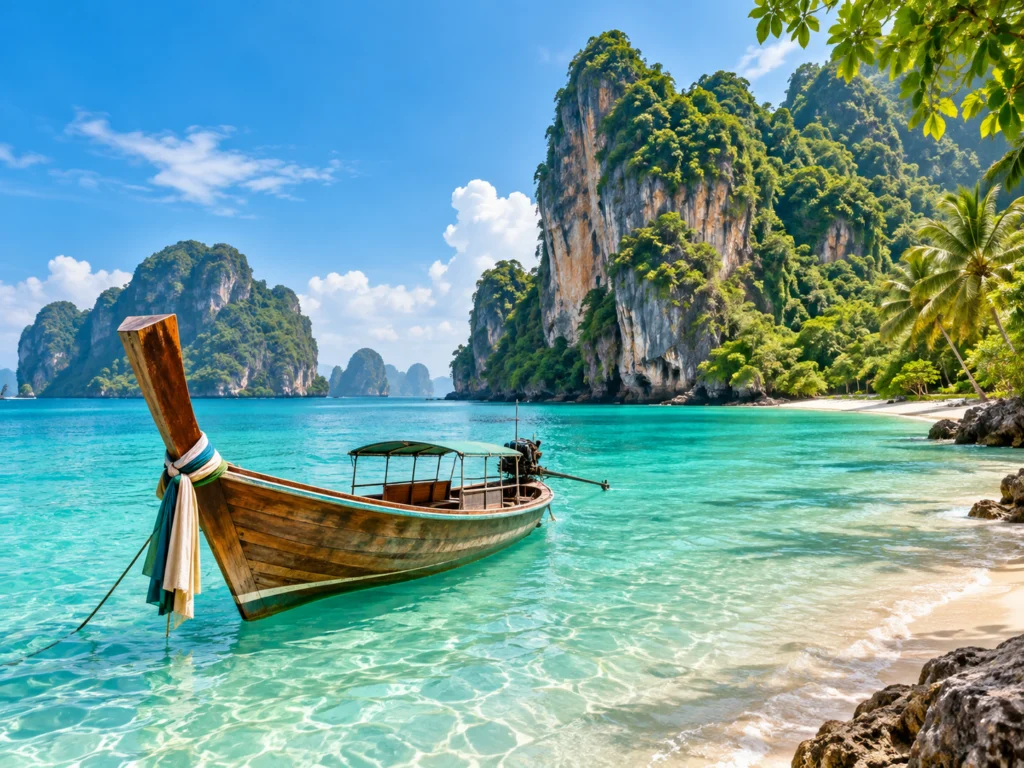
A trip to Thailand can focus on Bangkok and cultural sites, take you north, or finish with time at the beach. These options do not all require the same weather planning. Choose a specific combination of regions and activities, rather than just a country and a month.
The monsoon is not the same everywhere
The southwest monsoon affects many parts of Thailand from around May to October. The Tourism Authority of Thailand notes that this does not automatically mean rain all day, although boat trips require particular caution. Islands on different coasts can have different seasonal conditions. A broad statement such as “Thailand has bad weather in summer” does little to help plan a specific journey. Source: TAT guidance on the southwest monsoon.
Bangkok and cultural visits
For city days, take your daily schedule as seriously as your choice of month. An early temple visit, a longer midday break and an evening walk can be more comfortable than a packed programme during the hottest hours. Group sights by location so that unnecessary journeys across the city do not take up the day.
Even with fixed travel dates, the order of indoor and outdoor activities can remain flexible. Ask in advance which visits could sensibly be moved in heavy rain. Avoid filling every free hour with another activity; a weather buffer also gives you time to rest.
Northern Thailand: temperature and air quality
For Chiang Mai and rural stages, altitude, trail conditions and current air quality matter. Travel advisories identify seasonal air pollution as a possible planning factor. Before hiking, check local conditions as well as the temperature. If you have a respiratory condition in particular, discuss your route as part of personalised advice. Source: German Federal Foreign Office.
Seasonal overview: treat each coast separately
| Region | Initial planning window | What may affect your choice |
|---|---|---|
| Bangkok and inland cultural sites | Compare the winter months as a starting point; plan for heat in March and especially April. | Early visits and longer midday breaks rather than walking all day. |
| Chiang Mai and northern Thailand | Consider November to February for culture and nature. | Assess altitude, cool mornings and air quality separately; a dry day is not necessarily a good hiking day. |
| Andaman coast, including Phuket and Krabi | Use November to April as an initial comparison window for a beach stay. | During the summer monsoon period, explicitly check sea conditions, boat connections and park openings. |
| Gulf coast around Koh Samui | Do not use Phuket’s calendar; November to January can bring heavy rain here. | For summer holidays, compare both coasts for your specific island destination rather than deciding only from hotel photographs. |
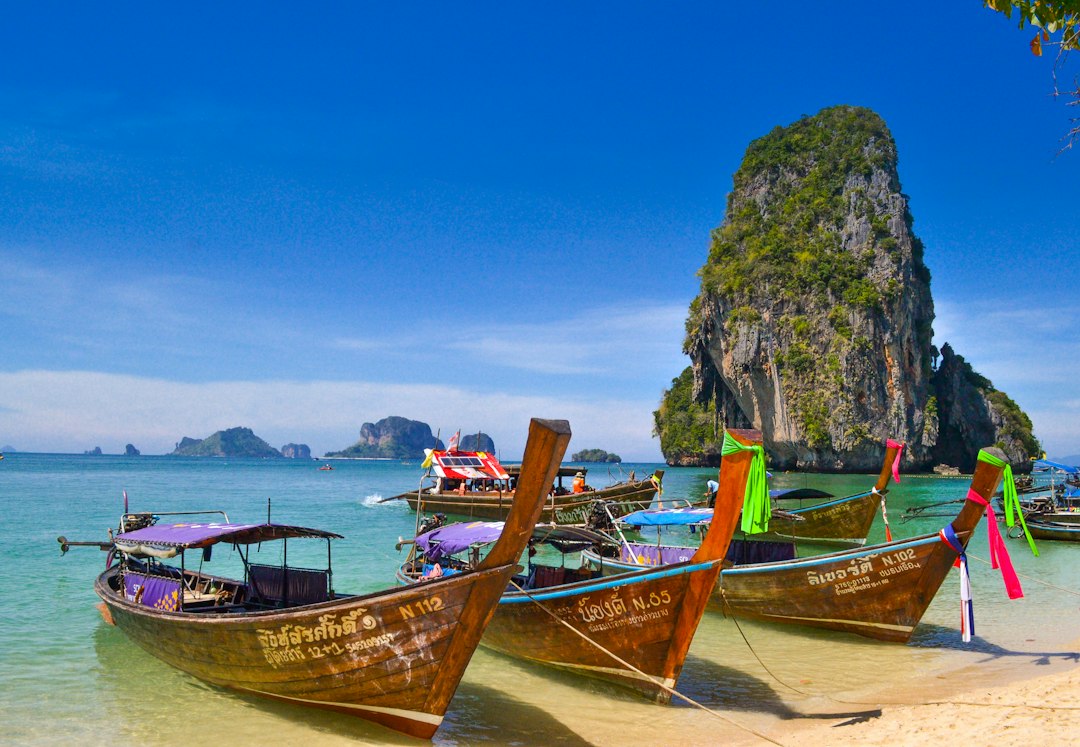
A 14-night example: Three nights in Bangkok, four in the north, six on a coast suited to your dates and one deliberately placed buffer night before your return flight can be a starting point for discussion. The exact order depends on confirmed flights. For a family with young children, one fewer region and a longer beach stay may work better.
A question to help you decide: Does the sea need to be the focus every day, or would a few beach days alongside culture and food be enough? In the first case, choose the island and travel period first. In the second, it is easier to adapt the route to changes in the weather. Check forecasts and warnings shortly before each stage with the Thai Meteorological Department.
Andaman coast or Gulf coast?
If your holiday dates are fixed, do not commit to a particular island too quickly. Compare the specific coast, hotel, beach setting and access. A seaside hotel does not guarantee that boat excursions will be possible every day. Weather-related closures and warnings take priority over excursion preferences; ask about land-based alternatives for island programmes.
A planning framework, not a weather guarantee
For an initial plan, compare three options: culture and the north, Bangkok with one coastal region, or a longer journey with several main regions. For each option, note which outdoor activities are essential and which can remain flexible. Choose a route that suits your travel period rather than shaping the entire holiday around one photograph you would like to recreate.
What to check shortly before departure
Check current weather warnings, national park notices and confirmation of your transfers. Let our team know if hiking, snorkelling or beach days are your priorities so that we can adapt the programme accordingly. Climate guidance and short-term forecasts serve different purposes; both are part of responsible trip planning.
Turn your ideas into a personal journey
Discuss your route, pace and preferences with our team to create a journey that suits you.
Plan your trip for freeExplore tour ideas →