
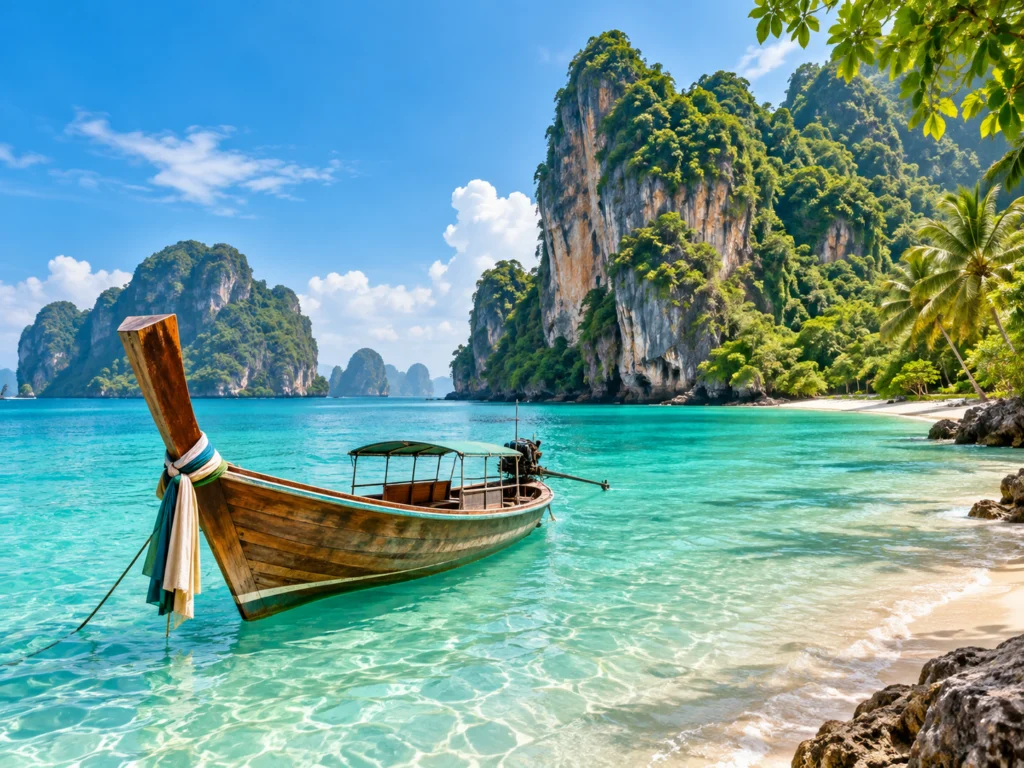
A stay in Bangkok, a few days on an island and a walking holiday in northern Thailand call for different preparations. Start with your actual itinerary and personal needs. This guide offers practical planning advice and does not replace individual travel health advice or treatment.
Seek advice before travelling
Take your vaccination record, medication list and planned destinations to a travel health appointment. CDC guidance recommends reviewing vaccinations and any medicines you may need before departure. The right precautions depend on your health, route and activities. Source: CDC Thailand travel health guidance.
Make mosquito protection part of your routine
Mosquito protection matters beyond jungle excursions. Pack suitable clothing and insect repellent, and follow the product instructions. Official health guidance covers risks including dengue. Ask your clinician whether your itinerary needs additional precautions; risks are not identical everywhere in the country. CDC: travel-related health risks.
Heat, air quality and a comfortable pace
Give yourself time to recover after an overnight flight before demanding outdoor activities. Shaded breaks and a realistic schedule are more useful than a packed sightseeing list. If you have a respiratory condition, discuss seasonal air quality and possible alternatives before travelling. Current health and environmental guidance is available from the German Federal Foreign Office.
Food, drinking water and water activities
Choose safe drinking water and hygienically prepared food. When swimming or taking a boat trip, follow local warnings and reputable operators’ advice; a booking is no reason to ignore poor conditions. Check suitability and insurance cover for particular activities in advance. Medical decisions belong with qualified professionals.
Three travel settings and what to prepare
| Your trip | Check beforehand | Build into your day |
|---|---|---|
| Busy sightseeing days in Bangkok | Your stamina, regular medication needs and time to recover after the flight. | Early visits, drinking-water and shade breaks, with space between long outdoor tours. |
| A hike in northern Thailand | The route, access to assistance and current air quality if your breathing is sensitive. | Agree on a shorter or alternative route; ask what ‘easy’ means in walking time and elevation. |
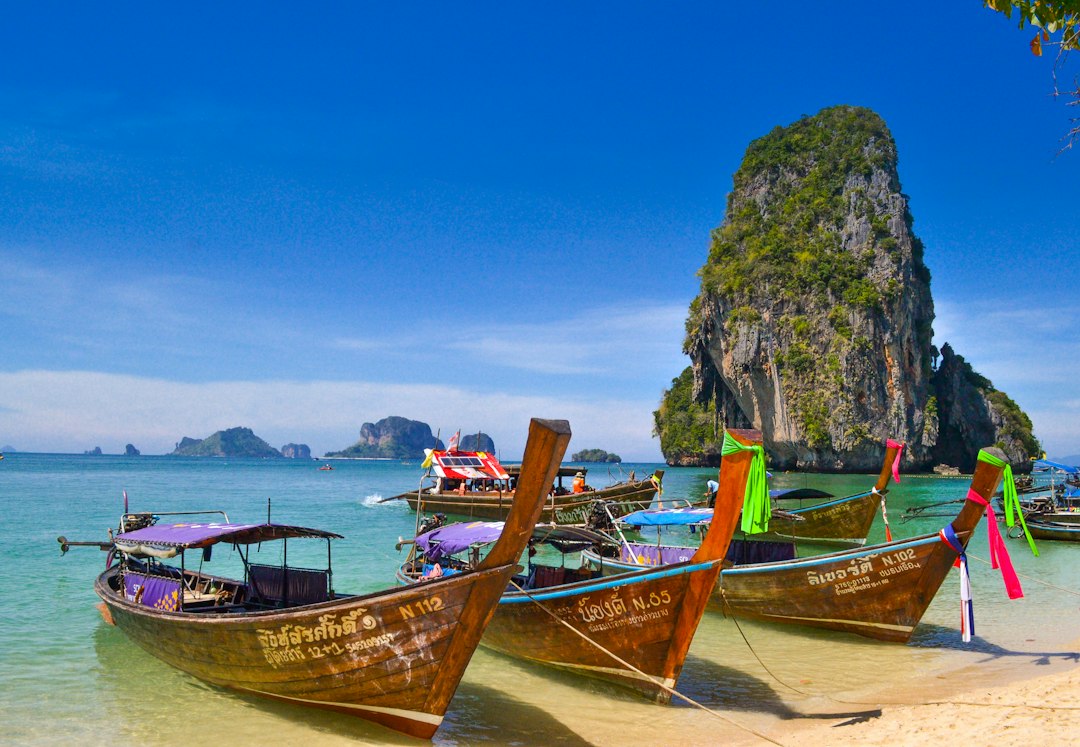
| An island stay with boating or snorkelling | Safety equipment, access to medical care and cover for the activity. | Follow warning flags and local guidance. If an outing is cancelled, avoid pressuring the operator into an improvised alternative. |
Carry a medication list, not loose unidentified tablets: Record active ingredients, the quantities you need and storage instructions. Ask your clinician about managing medicines on long travel days. A prescription from home is not automatically an import permit; check any special requirements with the relevant authorities.
Save these details on your phone: Your insurer’s emergency assistance number, hotel contact, travel support details and relevant medical documents. If you have an existing condition, confirm cover for activities and any transfer from an island. Our team can help organise assistance; treatment decisions remain with medical professionals.
Health sources reviewed on 27 October 2026. Discuss personal vaccination and medication questions with a travel health professional.
Keep medicines organised
Prepare an active-ingredient list, keep regular medicines clearly labelled and check import rules for restricted products. A prescription from your home country may not replace the required import paperwork. Ask about storage in heat and during long transfers, and avoid taking overlapping medicines without advice.
Keep an offline emergency folder with insurance details, medical contacts and essential health information. Make sure your companion knows how to arrange help. Preparation should be tailored particularly carefully for children and travellers with ongoing health conditions.
Help and insurance
Check which treatment costs, transfers and activities your policy covers. Know how to reach the assistance team and what information it needs. If symptoms are acute or getting worse, seek medical help before continuing the programme. We can support the arrangements but cannot diagnose illness or assess treatment.
This guide provides general orientation. It does not replace legally authoritative information from the relevant authorities or individual medical advice. Rules and recommendations may change at short notice.
Turn your ideas into a personal journey
Discuss your route, pace and preferences with our team to create a journey that suits you.
Plan your trip for freeExplore tour ideas →