An introduction to Lao food
Lao cooking is full of contrasts: fresh herbs, sour citrus, savoury fermented ingredients and chilli heat. Sticky rice is a staple, served alongside vegetables, fish and meat dishes. Recipes reflect the country’s different communities and the food traditions shared across its borders.
Regional and household recipes vary considerably. River fish, seasonal vegetables and local herbs all play a part, so the same dish may taste different from one place to the next.
These five dishes are a useful introduction, from a herb-filled meat salad to warming stew and the sticky rice that accompanies many meals.
Laap
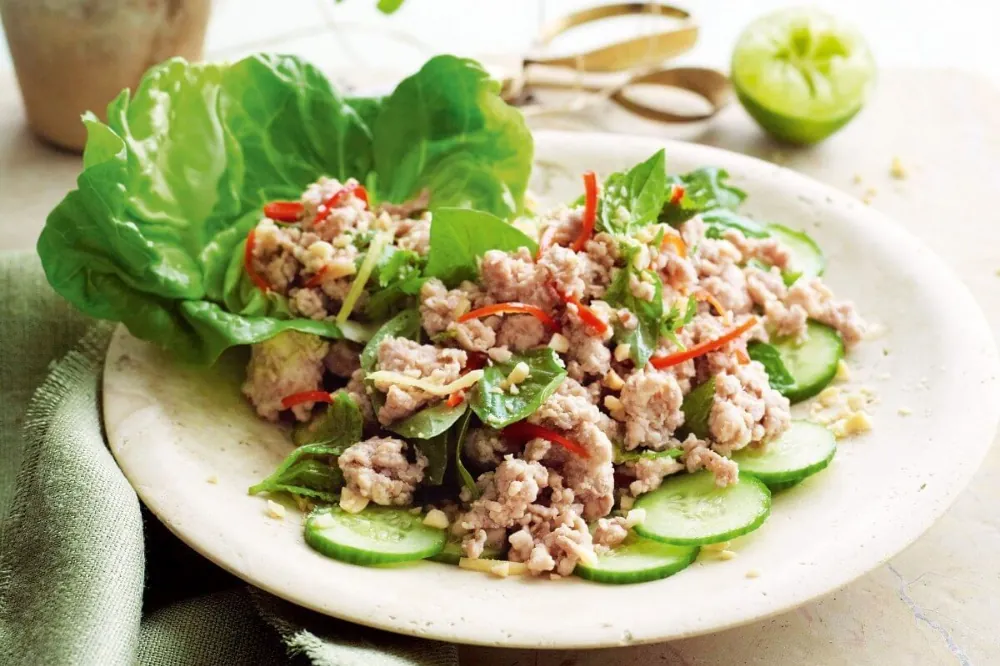
Laap, also written larb or laab, is one of the dishes most closely associated with Lao food. Related versions are also enjoyed across the region.
It usually combines finely chopped meat or fish with herbs, seasoning and toasted rice powder. Lime, mint, shallots and chilli give many versions their fresh, lively flavour.
Both cooked and raw versions exist. Choose thoroughly cooked meat or fish; a restaurant’s reputation does not remove the risks associated with eating them raw or undercooked.
Try laap as part of a shared meal with sticky rice and vegetables. Ask about the ingredients and chilli level, as recipes differ.
Tam mak hoong
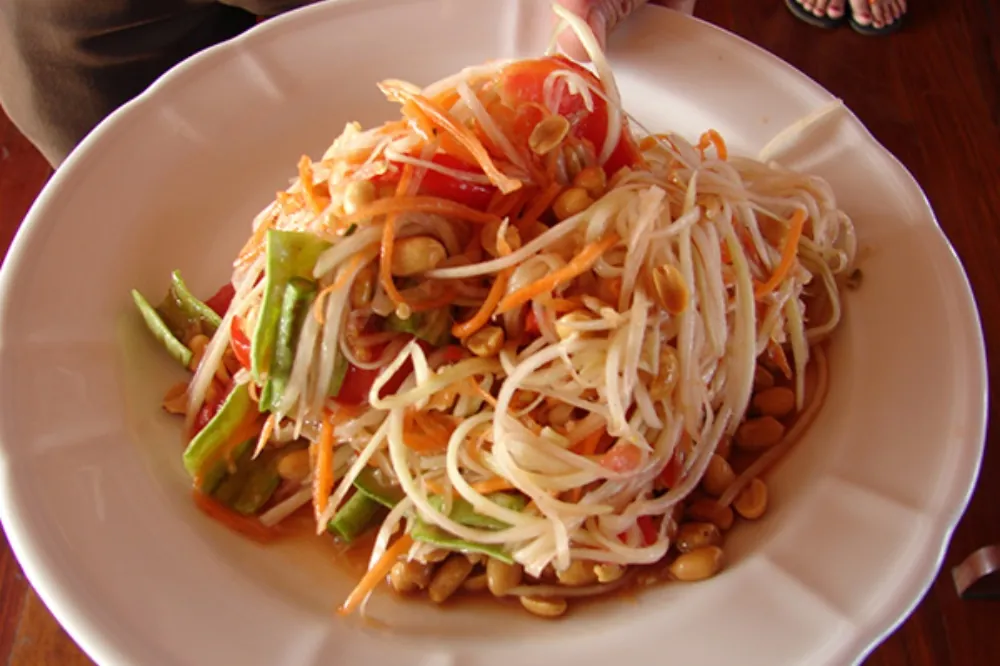
Tam mak hoong is a green papaya salad, pounded with ingredients such as tomato, garlic, lime, chilli and fish-based seasoning. The Lao style is often notably sour, salty and spicy.
The balance depends on the cook. Fermented fish seasoning can give it a strong savoury character, while chilli brings the heat. Ask for fewer chillies if you prefer a milder version.
It is often served with sticky rice and other dishes. If you have dietary restrictions, check the dressing as well as the main ingredients.
Khao poon
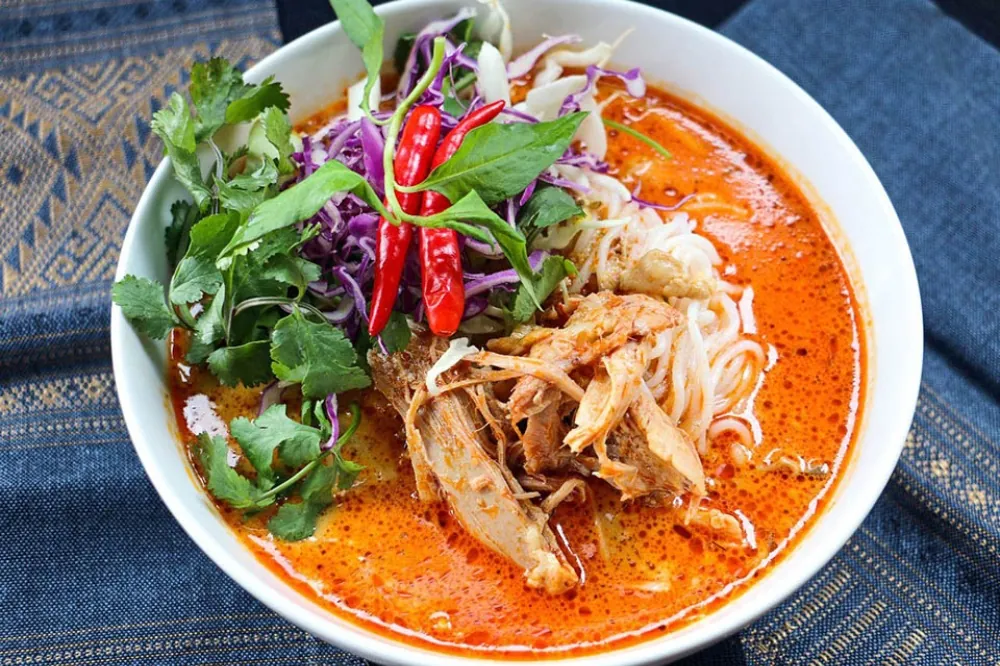
Khao poon is a rice-vermicelli dish often served as a fragrant soup. Common versions include a spicy broth with fish or chicken and, in some recipes, coconut milk.
The broth and toppings vary between regions and cooks. What brings the dish together is the combination of fine noodles, savoury broth and fresh accompaniments.
Shredded vegetables and herbs are often served alongside, allowing you to adjust the bowl to your taste. Ask which toppings are included and whether the broth contains fish, meat or coconut.
Rather than expecting one fixed recipe, enjoy the differences between versions. It is a comforting choice when you want a noodle-based meal.
Or lam
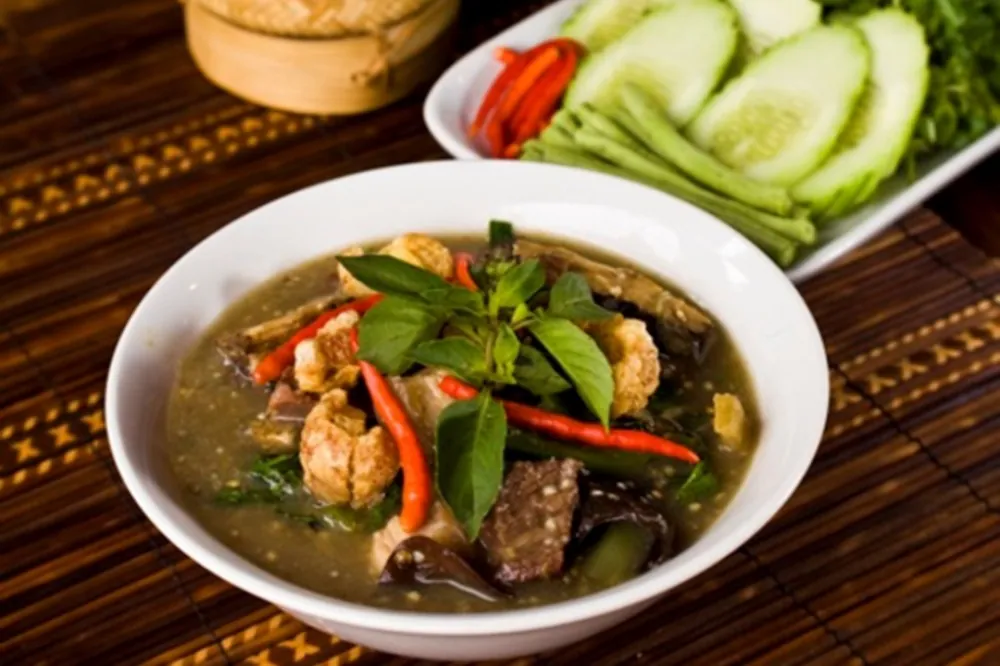
Or lam is a hearty stew particularly associated with Luang Prabang and northern Laos. It brings together vegetables, herbs and meat in a thick, savoury broth.
Ingredients can include aubergine, long beans, mushrooms and meat, with sticky rice used to thicken the stew. Some versions contain pepperwood, which contributes a distinctive warming flavour.
Slow cooking brings the different textures together. Depending on the recipe, the finished dish can be gently spicy, earthy and aromatic.
Recipes vary, and vegetarian versions are also available in some restaurants. Ask the cook about the ingredients rather than assuming every bowl is the same.
Khao niao
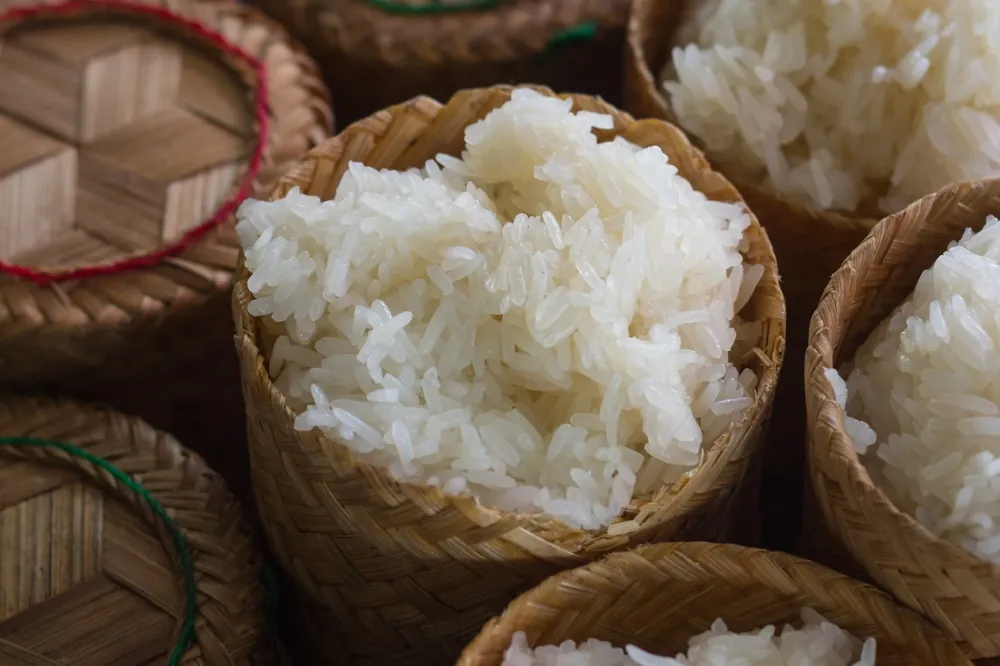
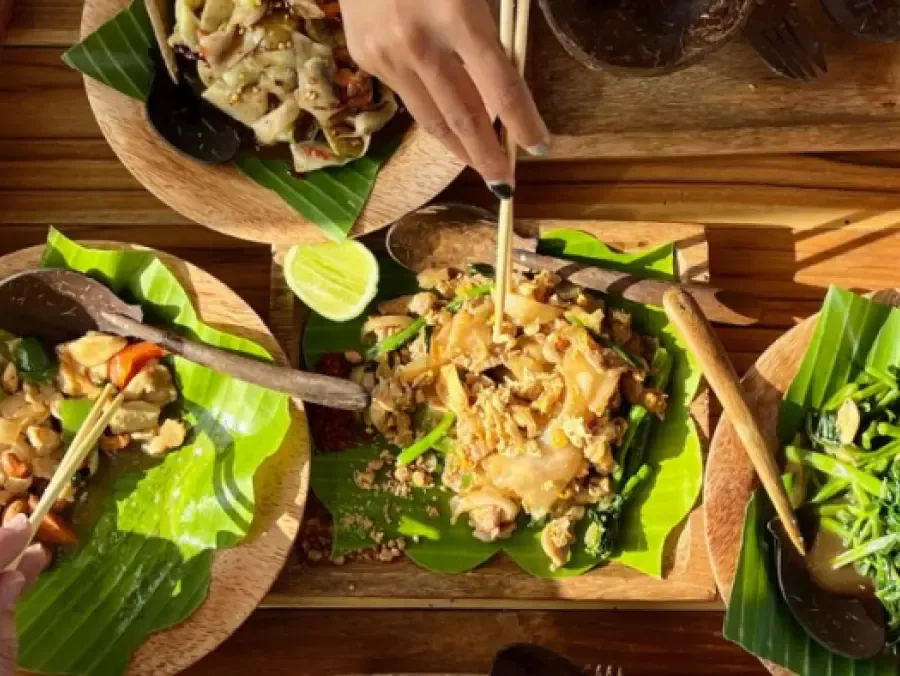
Khao niao, or sticky rice, is a staple of Lao meals. It is steamed and often served in a small woven basket known as a tip khao.
Its firm, sticky texture makes it easy to shape into a small piece and use to pick up other foods.
Follow your hosts’ lead when eating by hand, and use clean hands. Spoons and other utensils are also used where appropriate, particularly for soups.
Sticky rice accompanies grilled meats, vegetables, laap and dipping sauces. Its mild flavour balances stronger dishes on the table.
You may encounter it at breakfast, lunch and dinner. If you have a food allergy or intolerance, ask about the whole meal and its preparation, including sauces and shared equipment.
Tips for eating in Laos
A little curiosity and a few practical questions can make eating in Laos more enjoyable. Ask your guide or host to explain unfamiliar dishes and ingredients.
- Try sticky rice with a shared meal
Take a small amount of rice at a time and combine it with other dishes. There is no need to master every custom immediately; watch your hosts and ask if you are unsure.
- Ask about the chilli level
Some Lao dishes are very spicy. Explain how much heat you enjoy, or ask your guide to help. It is easier to add chilli than to remove it after a dish has been prepared.
- Explore markets thoughtfully
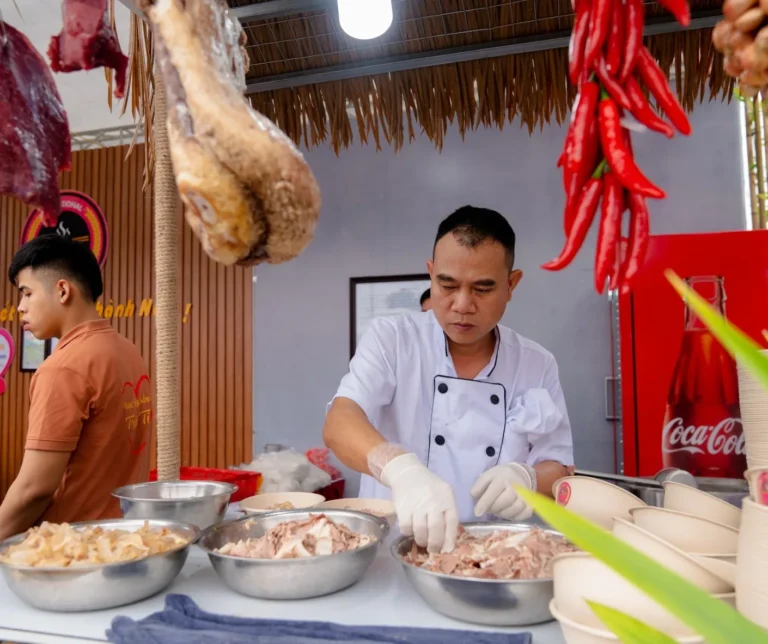
Markets offer a chance to see local ingredients and discover noodle dishes, sausages and baguette sandwiches. For food safety, choose food cooked thoroughly and served hot, and avoid raw or undercooked meat, fish and eggs.
Tell your guide or restaurant about allergies and dietary requirements before ordering. Fish sauce and other animal-based seasonings may be present even in vegetable dishes.
Planning a food-focused visit
Laap, papaya salad, khao poon, or lam and sticky rice introduce different sides of Lao cooking, but they are only a starting point.
Look for opportunities to learn about ingredients, compare regional recipes or join a cooking experience with a local host.
If food is a highlight of your travels, tell the Vietnam Tour Fun team what you enjoy. We can help build time for markets, local meals and cooking experiences into your Laos journey.
Further reading: Discover Laos Today’s guide to Lao cuisine and CDC food and water precautions for travellers.
To turn these ideas into a visit, explore Classic Luang Prabang in 4 Days. The itinerary gives you a starting point for planning time in Luang Prabang with local advice.