Tết Nguyên Đán, usually shortened to Tết, is Vietnam’s most important annual celebration. It is a time for family reunions, remembering ancestors and welcoming a fresh start. For travellers, it can be a memorable introduction to Vietnamese culture, provided you plan around the holiday’s busy travel days and temporary closures.
When is Tết?
Tết follows the lunar calendar, so its dates change each year, usually falling in late January or February. Preparations begin weeks beforehand, and celebrations continue beyond the first day of the new year.
Before booking, check the dates for your travel year and the official public-holiday period. Many families and businesses take additional time off, so opening hours can differ from the formal holiday calendar. Confirm arrangements with your hotel, transport provider and tour organiser well in advance.
How is Tết celebrated?
Preparations include cleaning and decorating homes, buying flowers, preparing festive food and arranging family visits. Three terms you may hear are Tất Niên (year-end gatherings), Giao Thừa (the transition to the new year at midnight) and Tân Niên (the beginning of the new year).
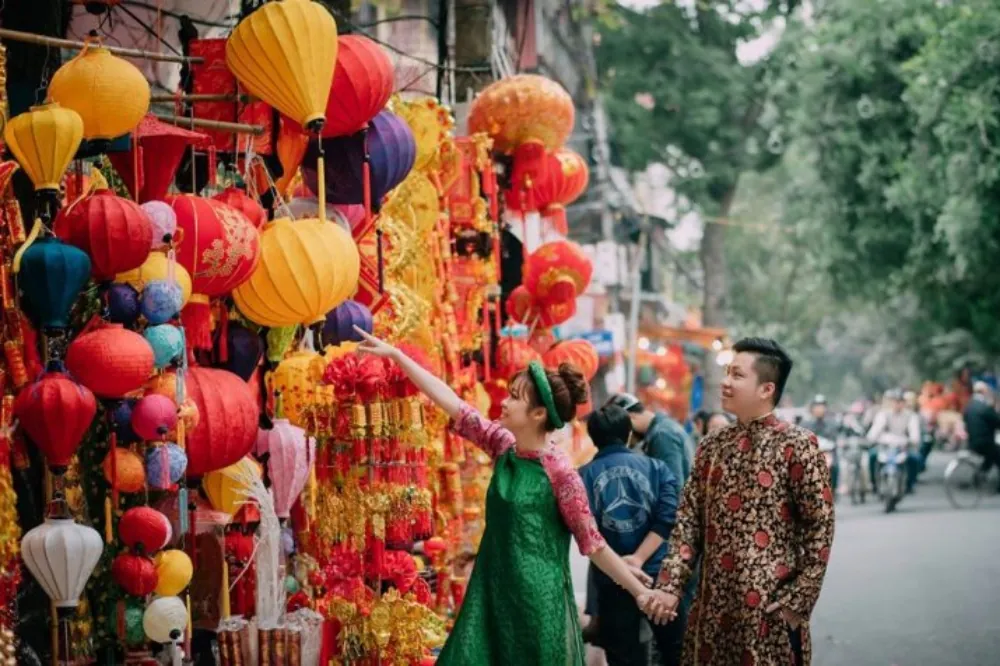
Many families place food, flowers and other offerings on ancestral altars, then visit relatives, friends and teachers to exchange good wishes. Practices differ by family and region, so follow your host’s lead if you are invited to join a celebration.
Food, flowers and family traditions
Preparing special food is an important part of Tết. Bánh chưng and bánh tét—sticky-rice cakes wrapped in leaves—are familiar examples. Homes are cleaned before the holiday as a symbolic fresh start, and families gather for meals that vary across the country.
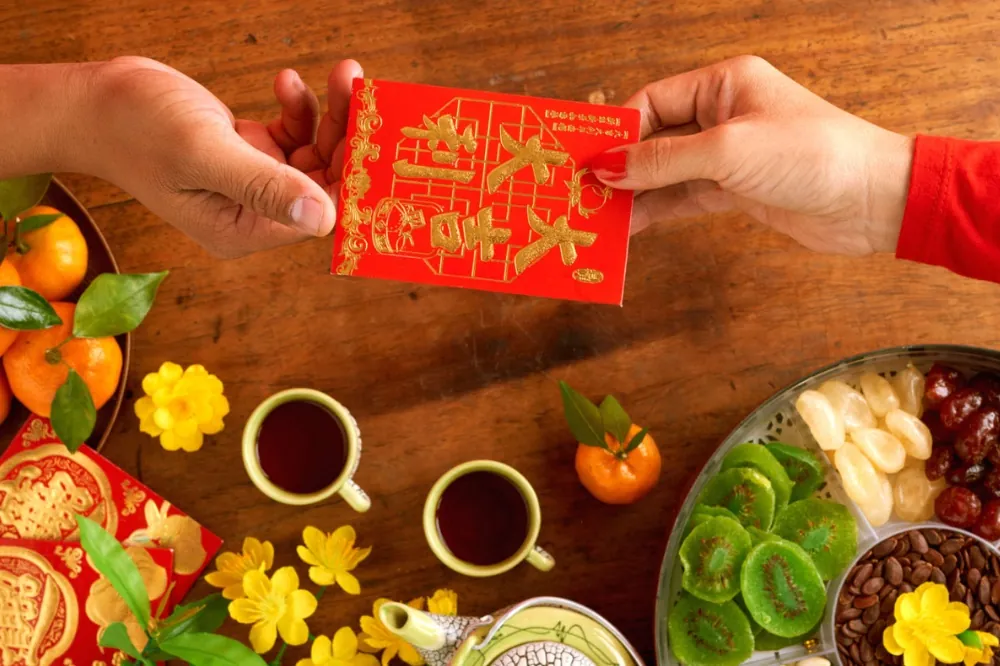
Children and older relatives may receive lucky money in red envelopes. Kumquat trees, peach blossoms in the north and yellow mai blossoms in the south bring colour to homes, markets and shopfronts.
Public celebrations
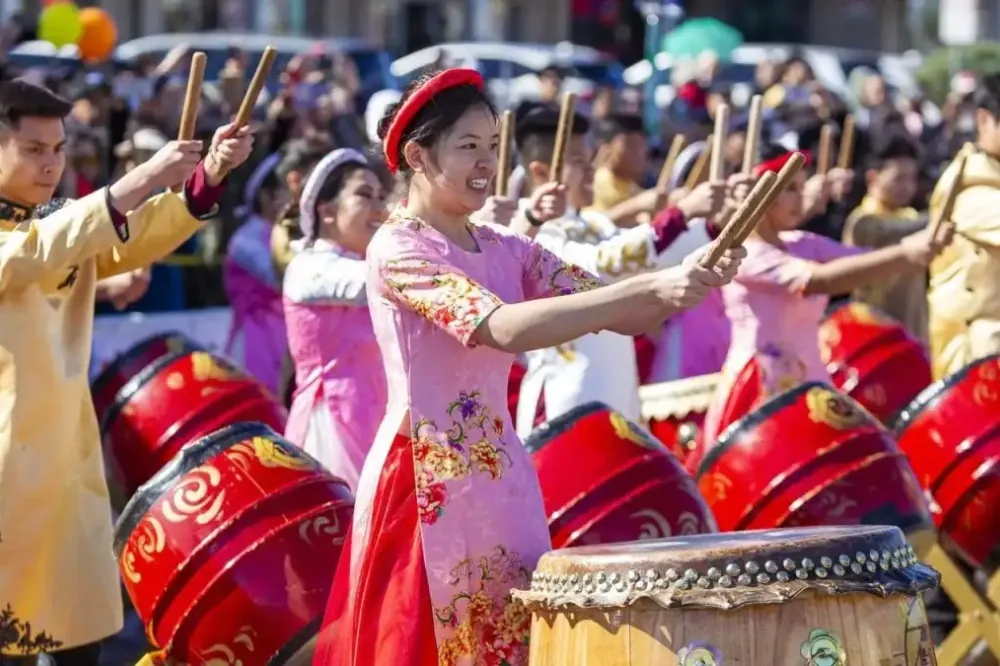
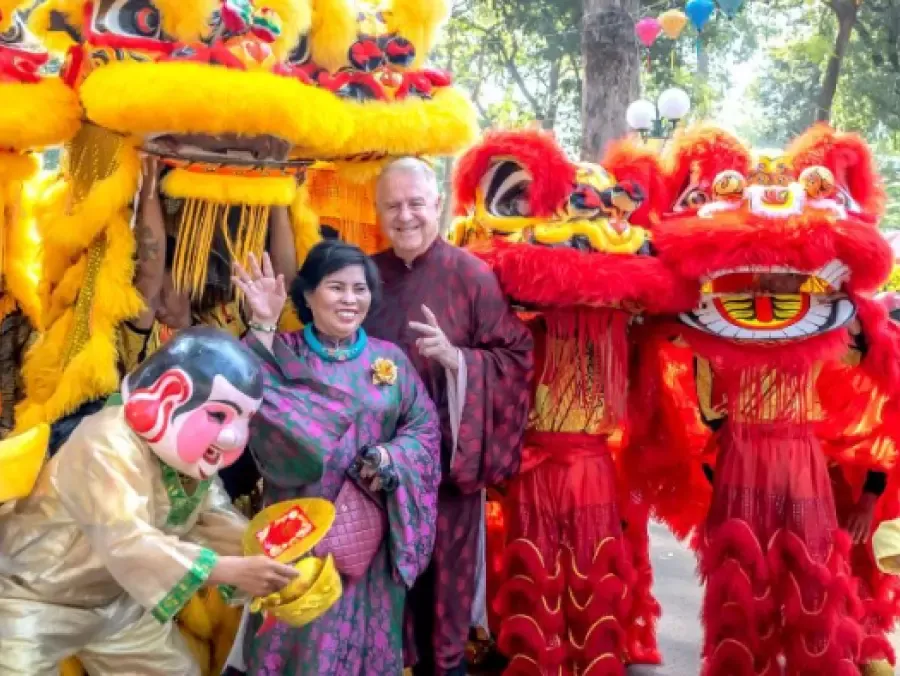
Flower streets, cultural performances and organised fireworks displays may form part of local celebrations. Programmes vary by city and year; your hotel or guide can help you find confirmed events and suitable viewing spots.
Travelling in Vietnam during Tết
Tết can be rewarding if you enjoy cultural celebrations and a slower pace. It requires extra planning, especially if you hope to move between several destinations during the holiday.
Transport
Flights, trains and buses can fill early as people travel home or take holidays. Book key journeys ahead, allow for heavier traffic around transport hubs and follow your airline’s check-in guidance. Fares and availability vary by route and date.
Choose established transport providers and reconfirm pick-up arrangements. Taxis and ride-hailing services may still operate, but fewer drivers or peak demand can mean longer waits and higher prices.
Accommodation
Book popular destinations in advance, particularly beach resorts and family holiday areas. Some hotels organise special meals or celebrations; ask what is available and whether holiday supplements apply.
Sightseeing
Opening arrangements differ between attractions. Check each museum, historic site and tour before setting out. Temples may be especially busy with worshippers, so dress respectfully, avoid blocking entrances and keep photography discreet.
Restaurants
Some restaurants and cafés close for family celebrations, while others run reduced menus or holiday hours. Ask your hotel which places will be open and reserve important meals ahead where possible.
Shopping
Markets are lively before Tết as families buy food, gifts and decorations. Many small shops then close for the first days of the new year, reopening at different times. Buy essentials before the holiday begins.
Money and banking
Bank branches generally close for public holidays. ATMs may remain available, but access or cash supplies can be limited at busy times, so plan your everyday spending in advance.
Weather during Tết
Pack for the regions on your itinerary. Northern Vietnam can be cool, misty or damp, with colder conditions in the mountains. Central areas may also feel cool or see rain, while the south is usually warmer. Check the forecast close to departure and bring layers rather than expecting the same weather nationwide.
Tết etiquette for visitors
Customs vary between households. A friendly greeting, a thoughtful question and respect for your host’s wishes matter more than memorising a long list of rules.
Helpful things to do
- Reserve your main transport and accommodation early.
- Leave room in the itinerary for delays or changed opening hours.
- Keep your hotel and travel consultant’s contact details handy.
- A warm greeting is always welcome: Chúc mừng năm mới means ‘Happy New Year’.
- If invited to a home, ask your guide or host about a suitable small gift and whether giving lucky money would be appropriate. There is no need to guess an amount or assume a gift is expected.
Things to be mindful of
- Wait for an invitation before visiting someone’s home; the first visitor of the year can have special significance.
- Keep conversations and celebrations considerate, particularly around family altars and places of worship.
- Choose respectful clothing and follow any guidance from your host; preferences differ between families.
- Some households avoid sweeping during the first days of the new year. Ask before helping with chores rather than assuming the same custom applies everywhere.
For another family-centred celebration, read our guide to Vietnam’s Mid-Autumn Festival.
To include more local encounters in your holiday, explore Sustainable Vietnam: Villages and Local Life - 12 Days. Tell our team which traditions, places and everyday experiences interest you most.