Ho Chi Minh City, still widely known as Saigon, combines historic landmarks, busy markets, contemporary culture and a generous food scene. This guide brings together places to explore, dishes to try and practical tips for making the most of your time.
When to visit
The city is warm year-round. The wetter season generally runs from around May to November, while December to April is usually drier. Humidity can be high, and hot afternoons are a good time for a café or museum break.
You can visit in either season. In wetter months, carry a light raincoat and allow flexibility for sudden showers; check the forecast before outdoor trips.
Getting around
For most visitors, taxis, ride-hailing cars, arranged transfers and public transport are the simplest options. Traffic can be intense, so choose transport that matches your confidence and allow extra time for cross-city journeys.
Walking works well for short routes between central sights, with care at crossings. Buses and public bicycle schemes offer other options; check current routes, payment methods and availability locally. Compare the total fare before confirming a ride.
Historic sights and museums
1. Notre Dame Cathedral
-
Location: Cong Xa Paris Square, central Ho Chi Minh City.
-
Visiting note: restoration work and religious services can affect access; confirm arrangements before visiting.
-
Allow time to explore the surrounding square and nearby landmarks.
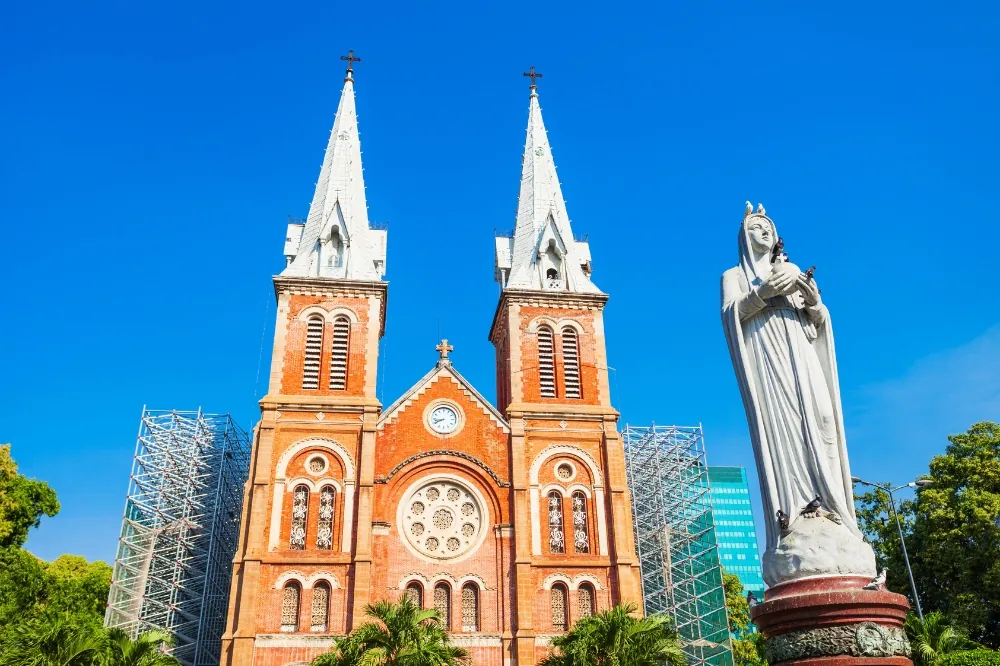
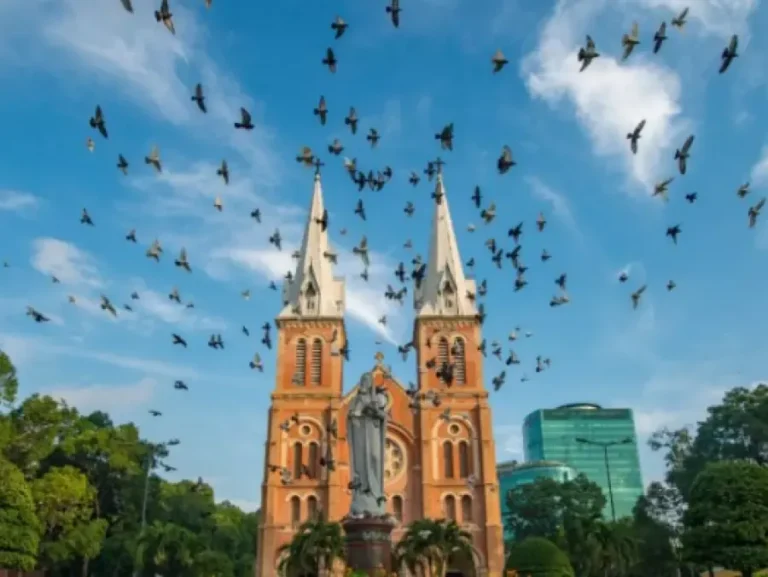
Saigon Notre Dame Cathedral is one of the city’s most recognisable buildings, with red-brick walls and twin bell towers. It stands close to the Central Post Office and Book Street, making the area easy to explore together.
The cathedral remains a place of worship. Follow access instructions and avoid disturbing services, even when the exterior is the main focus of a visit.
2. Independence Palace
-
Location: 135 Nam Ky Khoi Nghia Street.
-
Check the palace’s current opening hours before setting out.
-
Admission varies by ticket type; confirm which exhibitions your ticket includes.
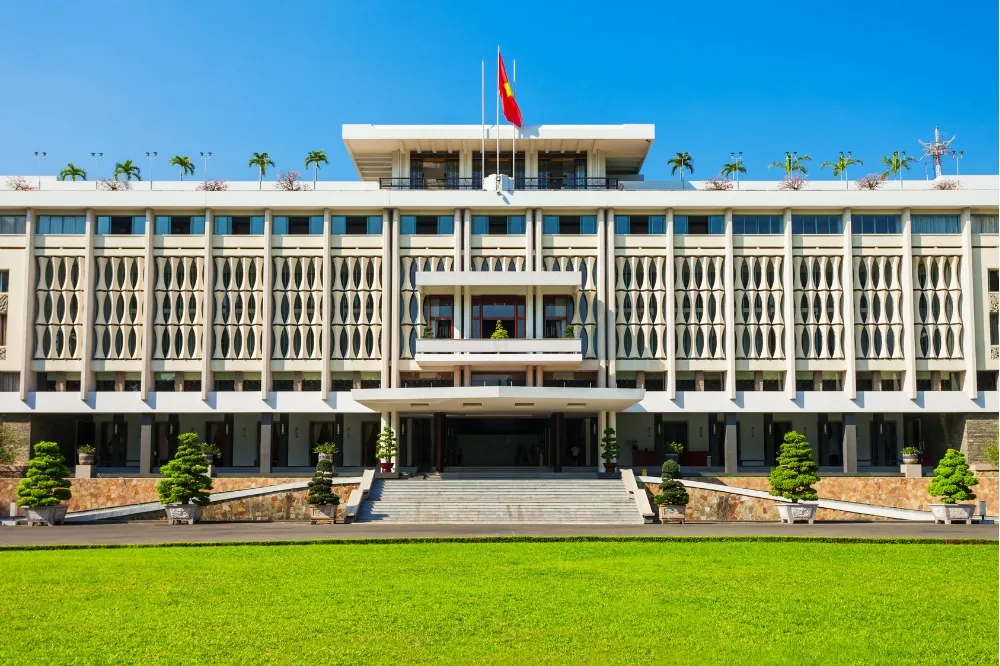
Independence Palace, also called Reunification Palace, offers a close look at a building central to Vietnam’s 20th-century history. Formal rooms, corridors and the basement help tell the story of its former role.
Its modernist architecture is part of the appeal. A guide or audio commentary can help place the rooms and events in context, especially for a first visit.
3. Ben Thanh Market
-
Location: Ben Thanh Market, in the central city.
-
Different stalls and surrounding businesses keep different hours.
-
Browse the market freely; purchases and meals are paid for separately.
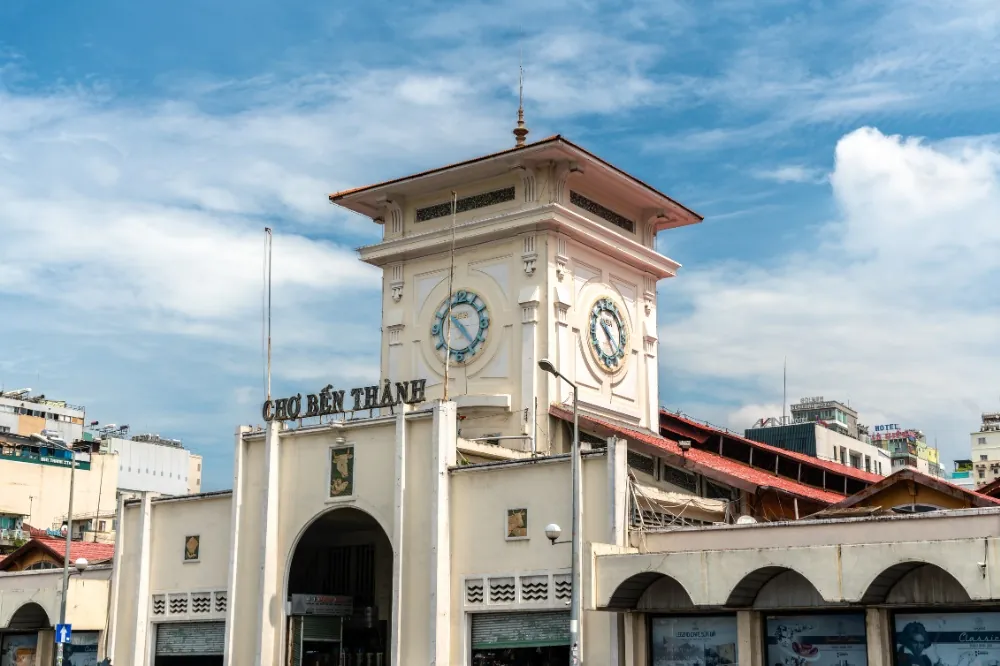
Ben Thanh Market is a familiar stop for souvenirs, clothing, household goods and food. Take time to look around before buying and compare items between stalls.
Agree on the price before a purchase, and ask about ingredients when ordering food. The market is a convenient introduction to the city’s trading atmosphere, though prices vary.
4. Saigon Central Post Office
-
Location: 2 Cong Xa Paris, beside Notre Dame Cathedral.
-
Check current visitor hours before your trip.
-
Postal services and souvenir purchases are charged separately.
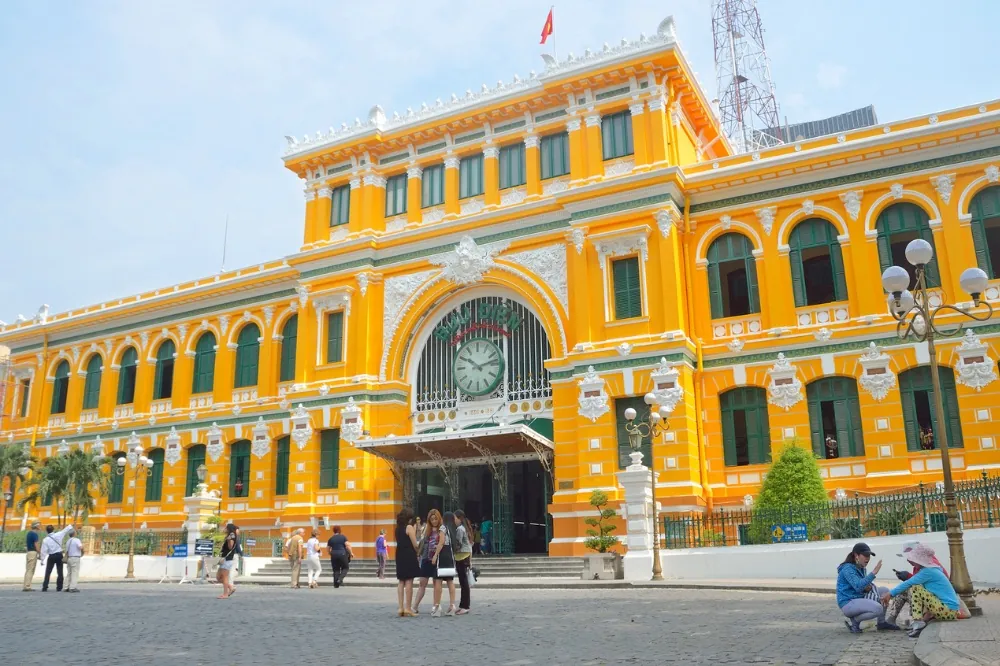
The Central Post Office is both a working postal building and an architectural landmark. Its yellow façade, high interior and historic maps make it a rewarding short stop.
Built in the late 19th century, it was designed by French architects Alfred Foulhoux and Henri Auguste Vildieu; the frequent attribution to Gustave Eiffel is misleading.
Look up at the vaulted ceiling and take a moment with the old maps. Keep service counters and walkways clear for people using the post office.
5. Saigon Opera House
-
Location: 7 Cong Truong Lam Son.
-
Access depends on performances and any scheduled visits.
-
Ticket prices vary by show and seating category.
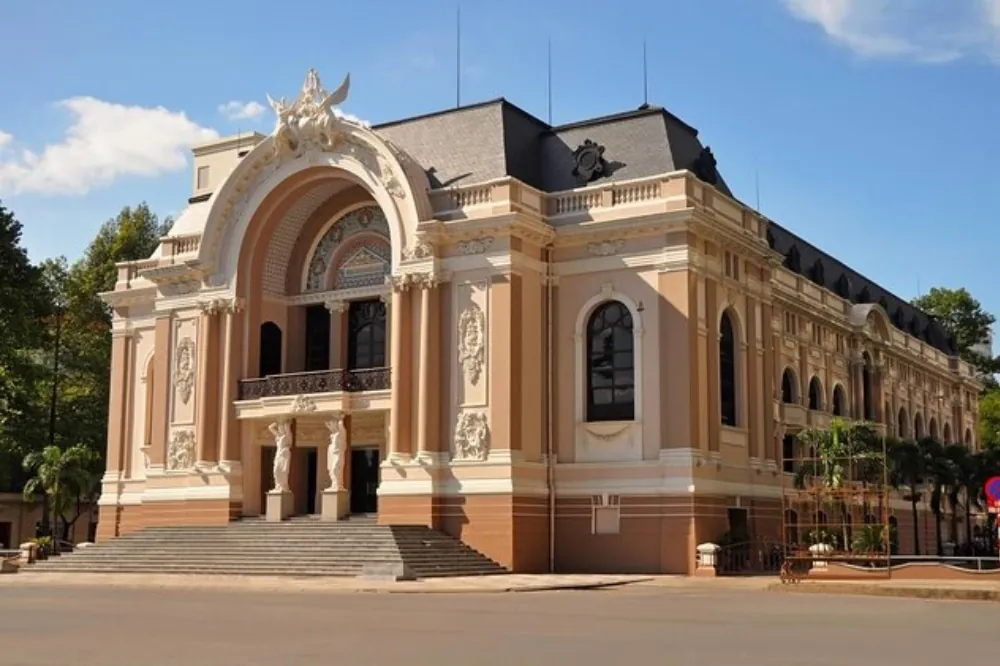
The Saigon Opera House is an elegant landmark in the central city. Its ornate façade is easy to admire on a walk around the surrounding streets.
To see the interior, check the current performance programme and book an appropriate ticket. Arrive early enough to find your seat and enjoy the building before the show.
6. Ho Chi Minh City Museum of Fine Arts
-
Location: 97 Pho Duc Chinh.
-
Check current admission prices with the museum.
-
Confirm opening hours and any temporary exhibition closures before visiting.
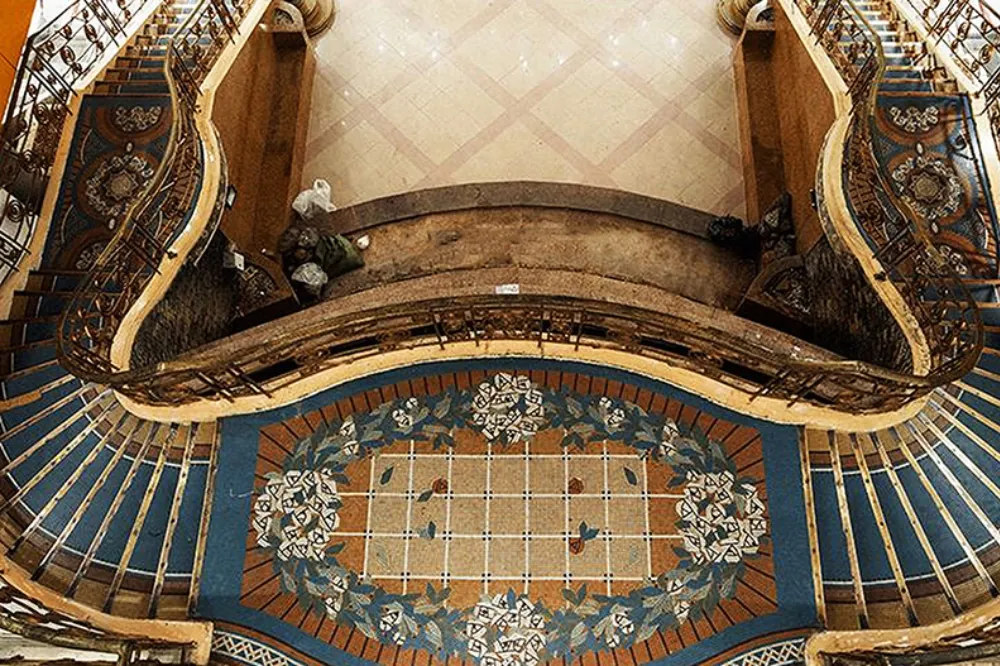
The Museum of Fine Arts occupies a striking former residence associated with the Hua family. Its galleries and architecture make it a worthwhile stop for visitors interested in Vietnamese art and the city’s past.
Art, bookshops and evening walks
1. Contemporary art in the city
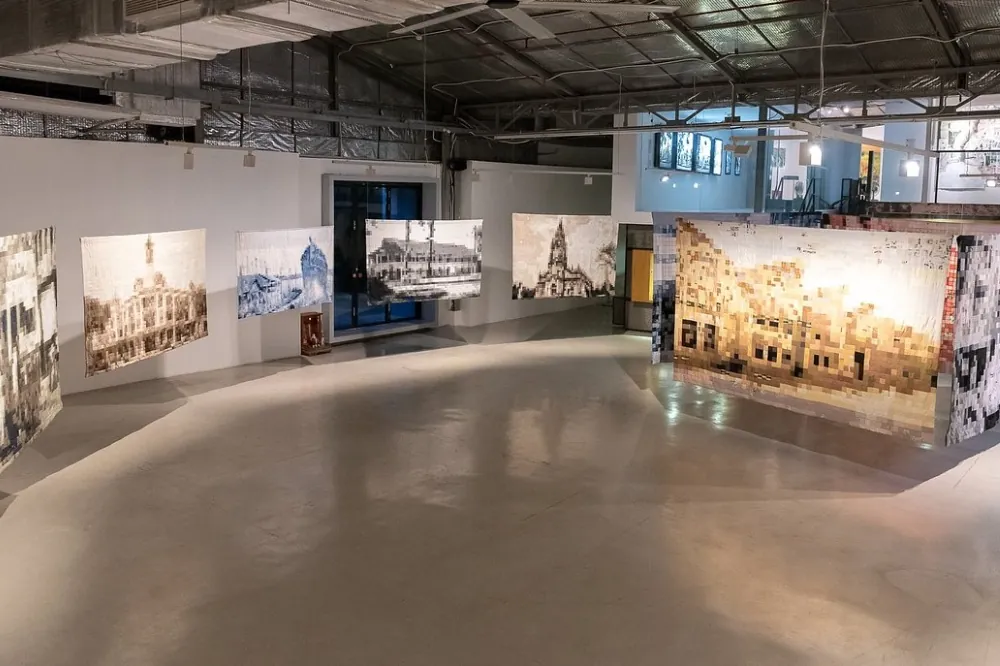
Ho Chi Minh City has a changing programme of exhibitions and creative events. The Factory Contemporary Arts Centre was an influential part of this scene, but its former venue should not be treated as a confirmed open attraction.
-
The original listing referred to its former Thao Dien location.
-
Ask your guide about exhibitions that are confirmed for your travel dates.
-
Check each venue’s own programme before making a special trip.
2. Nguyen Van Binh Book Street
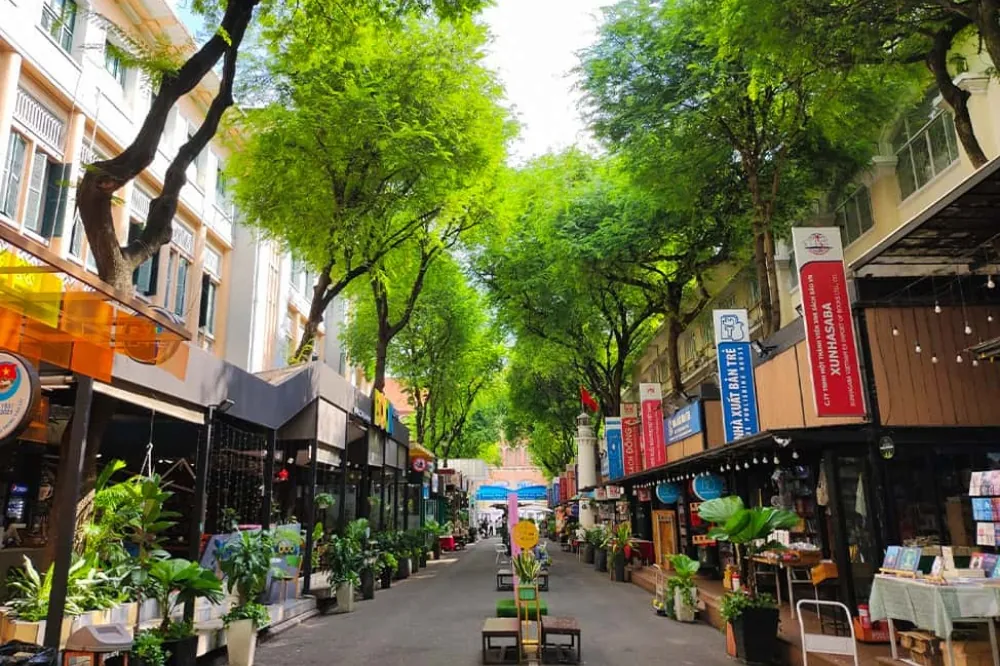
Beside the Central Post Office, Book Street brings together bookshops, cafés and occasional literary events. It is a pleasant place to browse, pause over a drink and take a break from the surrounding traffic.
-
Location: Nguyen Van Binh Street, beside the Central Post Office.
-
There is no street-entry ticket; books, drinks and events may be charged separately.
-
Shop and café hours vary.
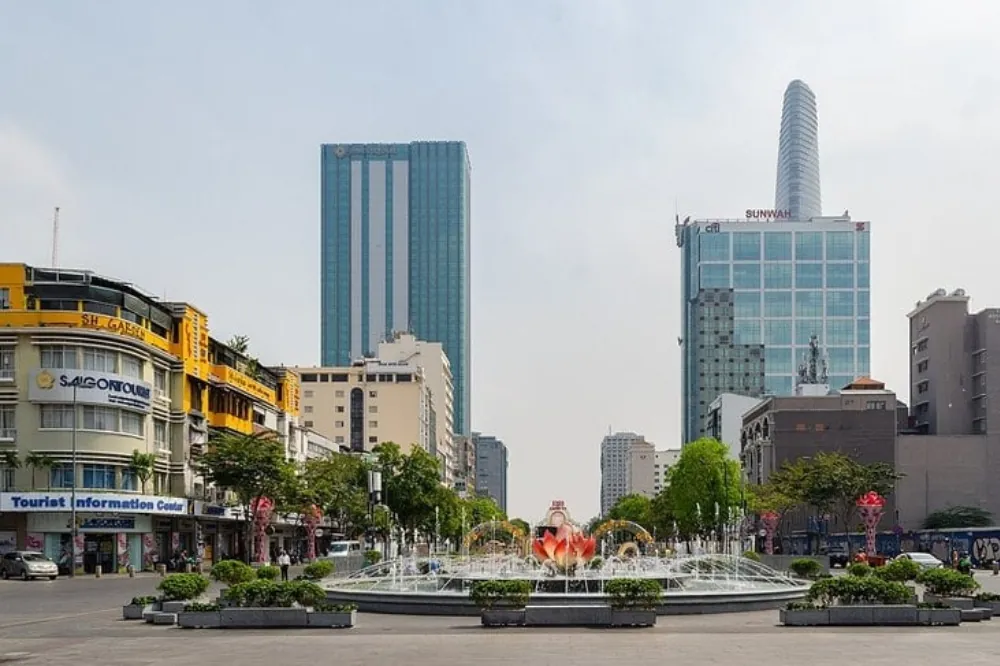
3. Nguyen Hue Walking Street
Nguyen Hue is a broad central promenade where people gather for evening walks, photographs and occasional public events.
The atmosphere changes through the day, from quieter morning walks to lively evenings. Cross adjoining roads carefully and follow any event barriers or traffic arrangements.
Nearby cafés and the much-photographed apartment building at 42 Nguyen Hue offer places to pause. Individual businesses and access arrangements change over time.
-
Location: Nguyen Hue Boulevard, running towards the Saigon River.
-
The promenade is free to enter.
-
Public events may affect access and traffic.
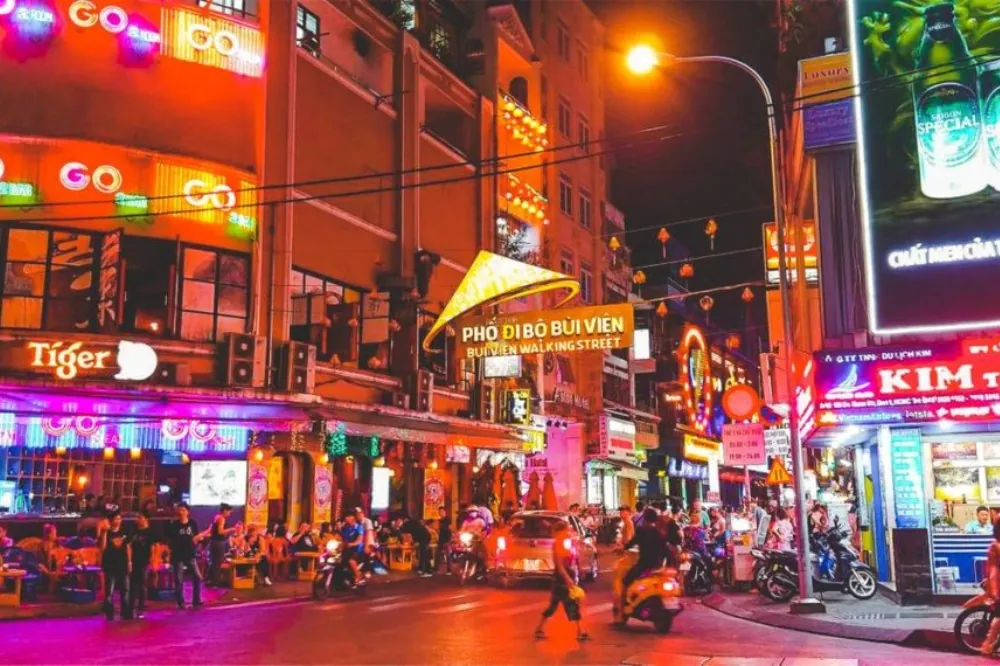
4. Bui Vien Street
Bui Vien is one of the city’s busiest nightlife areas, with bars, restaurants and music continuing late into the evening. It can be crowded and loud, so it suits visitors looking for a lively atmosphere.
Walk through at your own pace, compare menus and prices before ordering, and arrange a reliable way back to your hotel.
-
Location: the Bui Vien–Pham Ngu Lao area.
-
There is no street-entry ticket; venues set their own prices.
-
Opening hours and pedestrian arrangements vary by date and venue.
Shopping
Shopping centres offer a convenient break from the heat, with shops, cafés and restaurants under one roof. Check the current directory if you are looking for a particular brand.
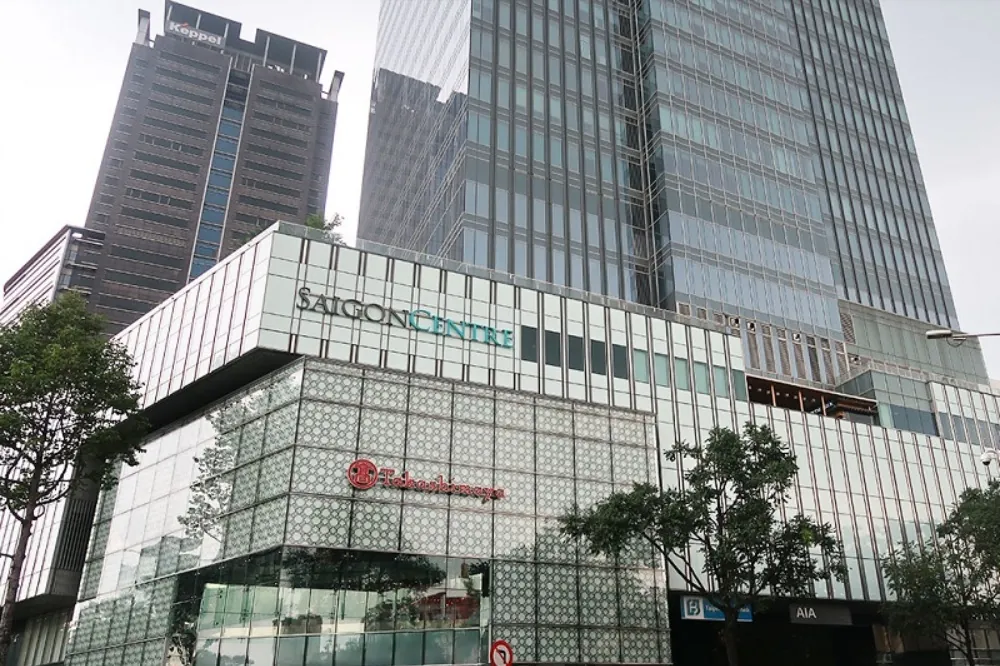
1. Takashimaya and Saigon Centre
Saigon Centre combines a department store, shops and dining options in the city centre. It is a practical stop for shopping or a relaxed meal between sightseeing visits.
-
Location: the Le Loi and Nam Ky Khoi Nghia area.
-
Confirm current opening hours with the centre.
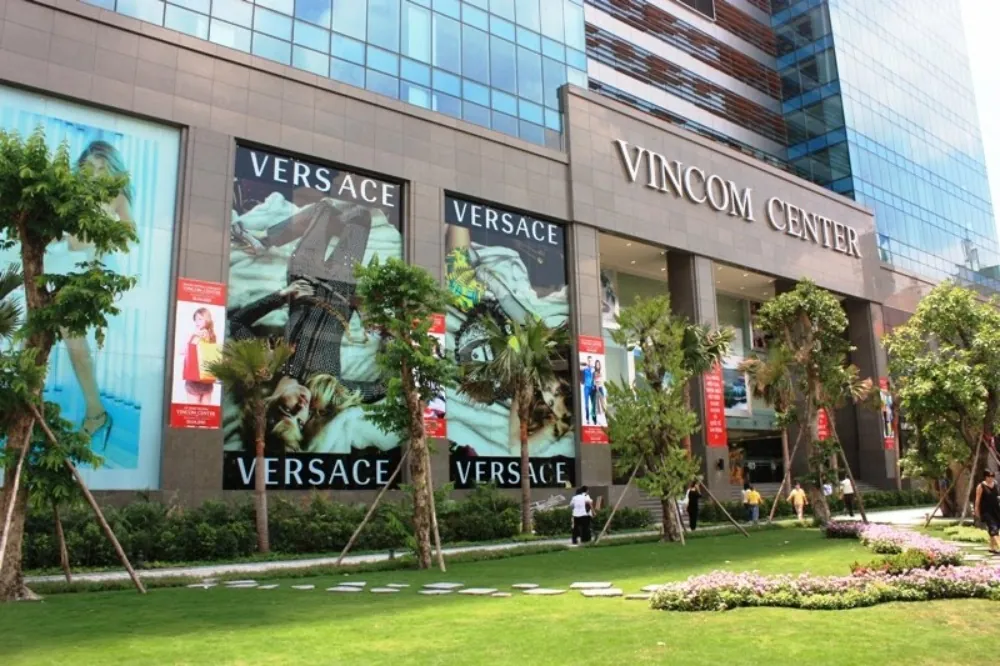
2. Vincom Center Dong Khoi
Vincom Center Dong Khoi is another central option for fashion, beauty products and dining. Its indoor setting can be useful during a hot or rainy afternoon.
-
Location: the Dong Khoi, Le Thanh Ton and Ly Tu Trong area.
-
Check the centre’s current directory for the entrance and shops you need.
-
Opening hours vary by store and restaurant.
Elsewhere in the city, centres such as SC VivoCity and Crescent Mall provide further options. Choose one near your accommodation or planned route rather than spending a large part of the day in traffic.
Dishes to try
1. Bún bò Huế
Originally associated with Hue, bún bò Huế is also widely enjoyed in Ho Chi Minh City. Its fragrant broth, typically flavoured with lemongrass and fermented shrimp paste, gives it a distinctive character.
Bowls may include beef, pork and other toppings, with herbs and vegetables served alongside. Recipes differ, so ask about ingredients and add chilli to taste.
2. Bún mắm
Bún mắm is a southern noodle soup known for its rich broth made with fermented fish. It offers a bold introduction to flavours associated with the Mekong Delta.
Toppings often include seafood, pork and vegetables. The combination varies by stall, making this a good dish to explore with a guide who understands your preferences.
3. Cơm tấm
Cơm tấm, or broken rice, is a Saigon staple found in small eateries across the city. A plate often centres on grilled pork, with a choice of accompaniments.
Common additions include shredded pork skin, steamed egg-and-meat loaf, a fried egg and pickled vegetables. A sweet-savoury fish-sauce dressing is usually served alongside.
4. Phá lấu
Phá lấu is a well-known street-food dish with a rich, gently spiced sauce. It is often served in small portions with bread or noodles.
Versions commonly use beef or pork offal, sometimes simmered with coconut milk. Ask what is included if you have dietary preferences, and choose a stall that serves it freshly heated.
5. Bò né
Bò né is a sizzling beef dish often served with an egg and bread. Its hot cast-iron plate keeps the meal bubbling as it arrives at the table.
The name playfully refers to dodging the sizzling oil. Let the plate settle before eating and take care around the hot surface.
6. Bò kho
Bò kho is a fragrant beef stew enjoyed with bread or noodles. Its warm spices and slow-cooked beef make it a satisfying breakfast or lunch.
Herbs and a lime-and-salt dip may accompany the dish. The broth and toppings vary between kitchens, so each bowl has its own character.
7. Bánh mì
A crisp baguette filled with savoury ingredients, pickles, herbs and sauces makes bánh mì an easy meal on the go. Popular fillings include pork, chicken, egg and pâté.
Ask what is available and have the chilli adjusted to your taste. The contrast between crunchy bread, fresh vegetables and rich fillings is part of its appeal.
Other dishes to look for include bánh xèo, fresh spring rolls, sweet chè desserts and grilled banana treats. A food walk is a useful way to sample a few without ordering too much at once.
Practical tips
A little preparation helps you enjoy the city’s pace:
-
Save your hotel address and an offline map before heading out.
-
Use established transport services and check the vehicle and fare before setting off.
-
Choose accommodation that suits your route, budget and access needs, and use secure storage for valuables.
-
Check menu prices and explain allergies or dietary needs clearly before ordering.
-
Keep your phone and bag secure near roads and in crowds, and carry only what you need for the outing.
To combine time in Ho Chi Minh City with a wider route through the country, explore Vietnam Explorer — A 10-Day Journey. You can discuss the balance between city sights, countryside and waterways with our team.