A little cultural context can make a visit to Thailand more rewarding. These five details cover a remarkable Buddha image, everyday gestures, temple visits and the Thai name for Bangkok.
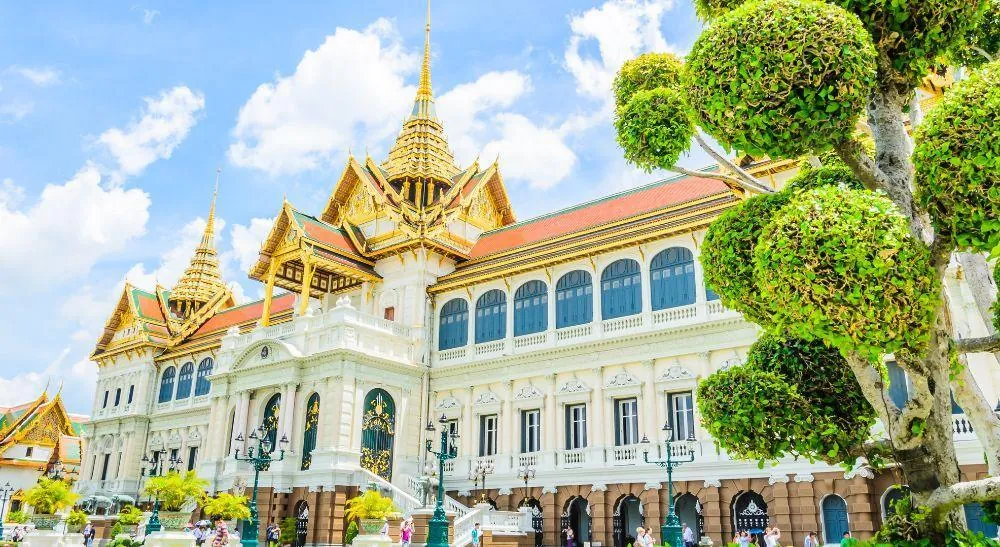
Use these notes as an introduction, and follow the guidance of your hosts and the signs at each place you visit.
The Golden Buddha at Wat Traimit
Wat Traimit in Bangkok houses a celebrated gold Buddha image weighing about 5.5 tonnes. Its scale and craftsmanship make it an interesting stop near the city’s Chinatown.
The image was once covered in plaster. When it was moved in the 1950s, damage to the covering revealed the gold beneath. Its style is associated with the Sukhothai period, although accounts of its early history vary.
Allow time to appreciate both the image and the setting. Wat Traimit remains a place of worship, so dress respectfully and follow the temple’s guidance on photography.
Greeting people with care
The wai, made by bringing the palms together, is a familiar Thai greeting and expression of respect. Its form depends on the situation and the people involved.
Visitors do not need to master every social nuance. A polite manner, a smile and attention to how your hosts greet you are a good starting point.
Avoid touching someone’s head without permission, and ask before taking a close-up photograph. Simple consideration is more useful than treating every encounter as a test of etiquette.
Temples are living places of worship
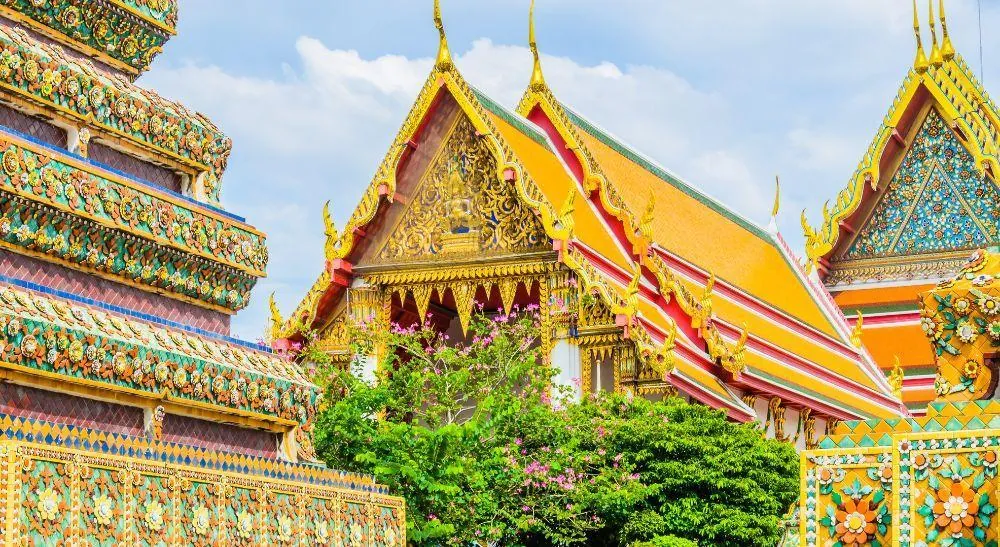
Thailand has thousands of Buddhist temples, or wats. They serve communities as places for worship, learning and ceremonies, as well as attracting visitors interested in architecture and art.
Cover your shoulders and knees, carry a light extra layer and remove shoes where requested. Individual temples may have more specific rules. Keep your voice low and give worshippers space.
Respecting personal space and sacred images
Avoid pointing your feet towards people or Buddha images, and follow local guidance when sitting in a temple. Remove shoes before entering spaces where this is required, including many homes. If unsure, observe your host or ask politely.
Bangkok’s Thai name
Bangkok is commonly called Krung Thep or Krung Thep Maha Nakhon in Thai. These familiar forms are much shorter than its ceremonial name.
Krung Thep Maha Nakhon
The longer ceremonial name refers to the city’s royal and sacred associations. You do not need to memorise it to get around, but recognising Krung Thep can help you connect the English and Thai names.
Take your time, ask respectful questions and stay curious. Everyday encounters often add as much to a Thailand journey as its best-known sights.
If you are planning a wider journey through Thailand, explore The Best of Thailand in 14 Days and adapt the route to your dates, pace and interests.