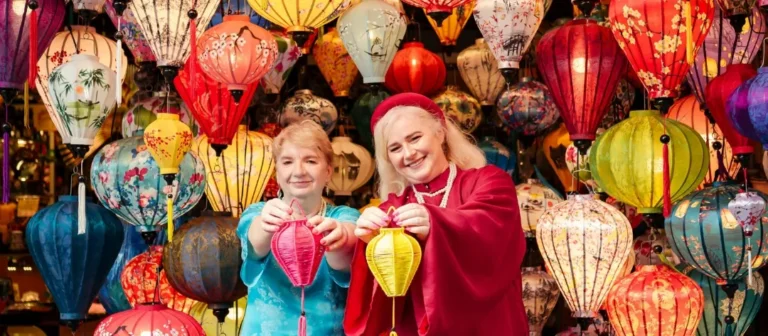

Pack for the places and activities in your itinerary, rather than one idea of Vietnamese weather. Northern mountains, central coastal towns and the south can feel very different on the same trip. Comfortable layers and a modest outfit for religious sites cover many situations.
Clothing for different regions and activities
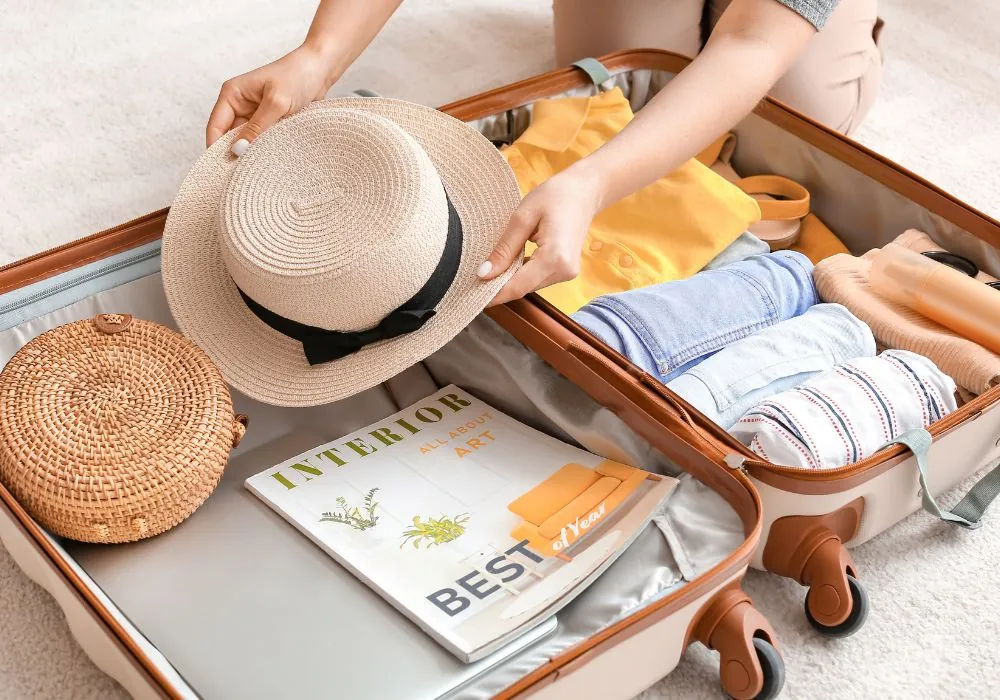
Check the forecast for each stop before you leave. Your choice of footwear should also reflect whether you are sightseeing in town, walking on muddy trails or spending time at the beach.
What to Wear in Spring
Spring in northern Vietnam can be cool and damp, while the south is often hot. Comfortable walking shoes suit city visits, but mountain walks need footwear chosen for the trail conditions.
Bring light layers and a rain jacket for northern stops. A breathable shirt is useful for both sun protection and temple visits.
Light trousers are versatile. Add a warmer layer if your route includes higher elevations, and a hat for sunny days.
What to Wear in Summer
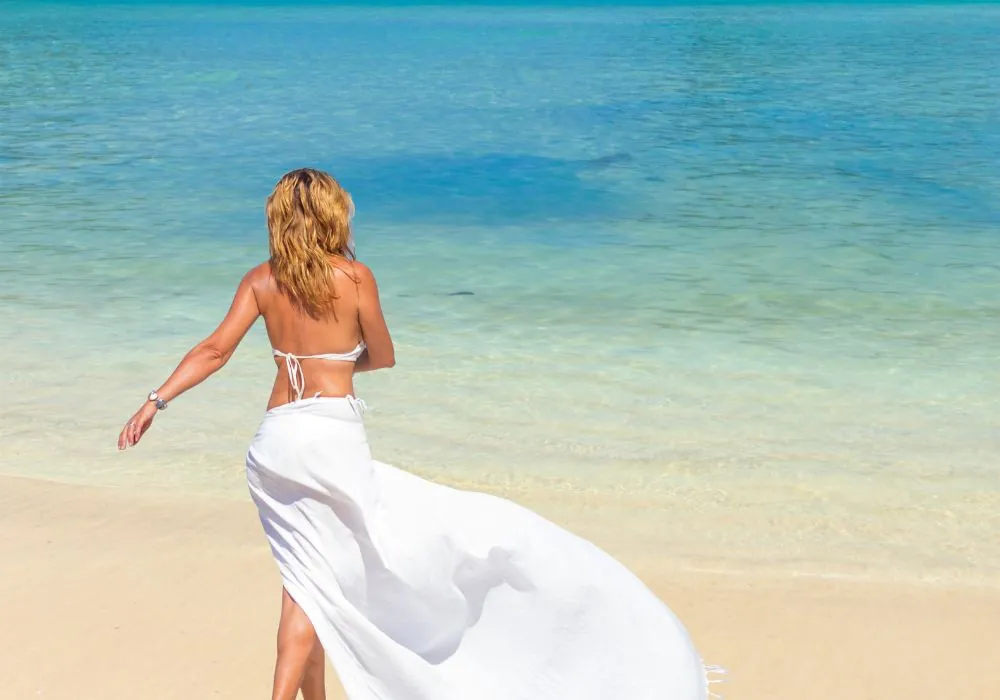
Hot weather calls for breathable clothing, a sun hat and comfortable shoes. Pack beach footwear separately from the shoes you use for walking on uneven ground.
Light shirts or T-shirts work well for many activities. Carry an extra layer that covers your shoulders when entering temples or other sites with a dress code.
Shorts may suit casual sightseeing, while lightweight trousers provide more coverage from sun and insects. Choose quick-drying items if your itinerary includes rain or water activities.
What to Wear in Autumn
Autumn conditions vary: northern cities may be pleasant, mountain mornings cooler, and central Vietnam can experience heavy rain. Pack according to your route.
A breathable base layer with a light sweater or jacket is useful for changing temperatures.
Bring a compact rain layer and shoes with good grip. Do not assume clear autumn weather throughout the country.
What to Wear in Winter
Northern winters can be cold and damp, especially in the mountains. Hanoi usually needs warm layers, while higher-altitude trips may require a more substantial jacket and suitable walking footwear.
Thermal layers, a sweater and a wind-resistant outer layer can be useful for cold mountain days. Adjust the amount of insulation to your itinerary and the forecast.
A warm hat and gloves are worth considering for winter mountain visits. They are unlikely to be needed for a beach stay in the tropical south.
A mixed north-to-south itinerary is easier to pack for when layers can be added or removed.
Dressing respectfully
Places of Worship
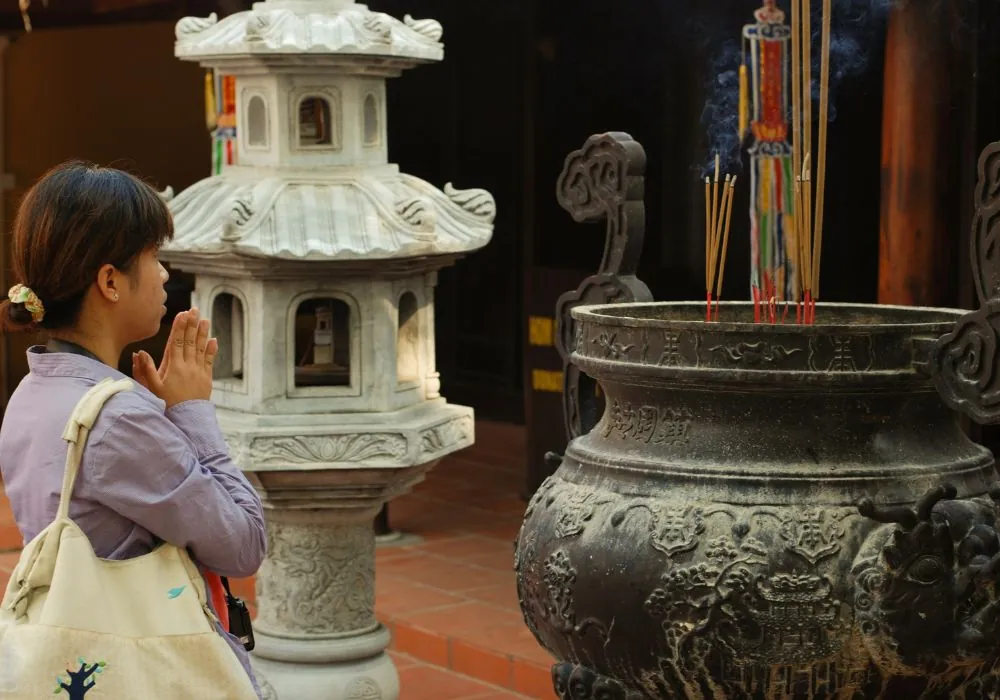
At temples, pagodas and other religious sites, cover shoulders and knees and follow the local signs. Remove shoes where requested. These are active places of worship as well as visitor attractions.
Traditional Events and Festivals
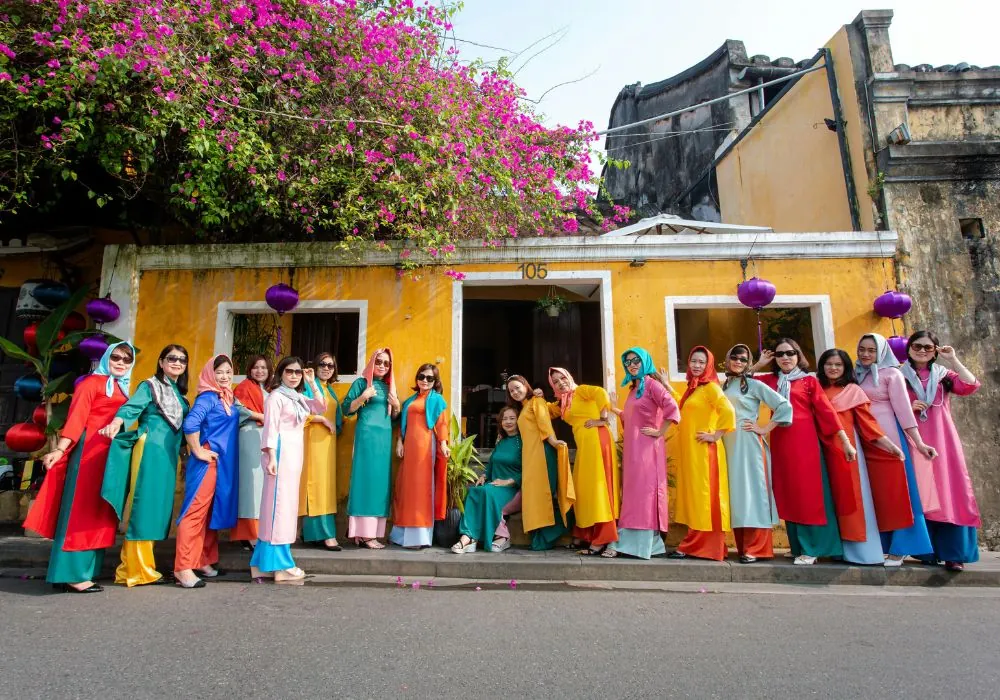
Visitors do not need to wear traditional clothing for Tet or other festivals. If you would like to try an ao dai, choose a well-fitting outfit and ask your host about the occasion. Ao dai are worn by both women and men.
Everyday Interactions
Keep swimwear for the beach or pool and cover up when going into shops, restaurants or neighbourhood streets. A light shirt or wrap makes this easy.
Packing Tips and Tricks
Mastering the Art of Layering
Choose layers that work together: a breathable base, something warmer and a compact outer layer. You can adapt without carrying a separate outfit for every stop.
Selecting Dual-Purpose Items
Pack items you can wear more than once. Light trousers and a simple shirt can suit sightseeing, a meal out and many temple visits.
The Virtues of Lightweight Luggage
Check luggage limits for domestic flights and leave room for essentials you need during transfers. Laundry services may help reduce how much you carry on a longer trip.
Before closing your bag, review the forecast, planned activities and any dress requirements. A comfortable, flexible wardrobe will serve you better than packing for every possible situation.
Planning a Vietnam holiday? Explore Vietnam Explorer — A 10-Day Journey for a starting point, then tailor the route with our local team.