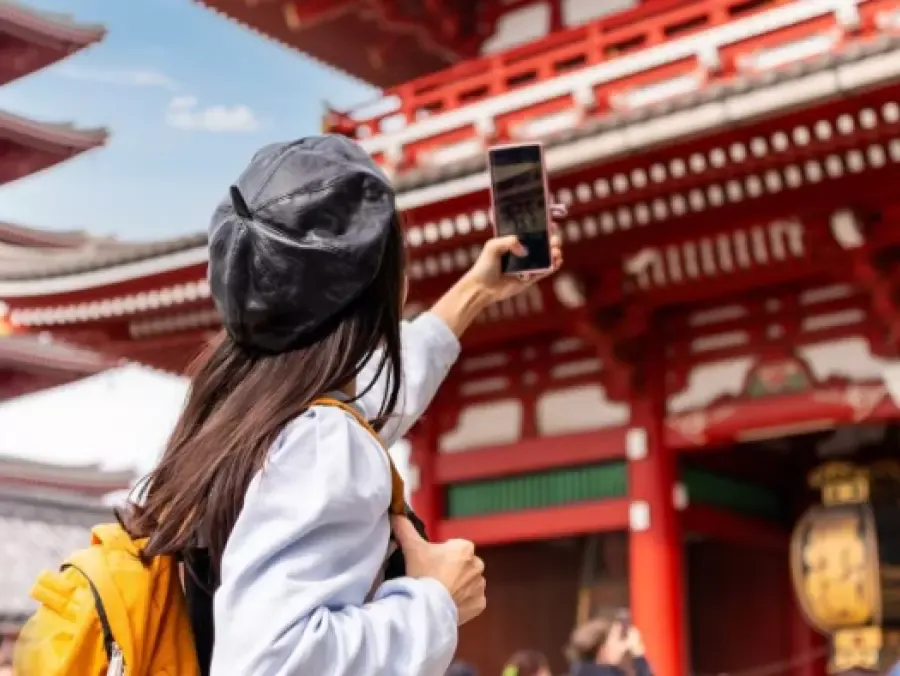
Japan offers an appealing mix of historic temples, lively neighbourhoods, mountain scenery and regional food. Whether this is your first visit or a return trip, leave room for both the famous sights and the small discoveries along the way.
These ten experiences are a starting point for planning your trip — from Kyoto’s shrines to a relaxing hot-spring stay.
Things to Do in Japan
Choose the places that fit your interests and season, rather than trying to see everything in one journey.
1. Gaze at the Majesty of Mount Fuji
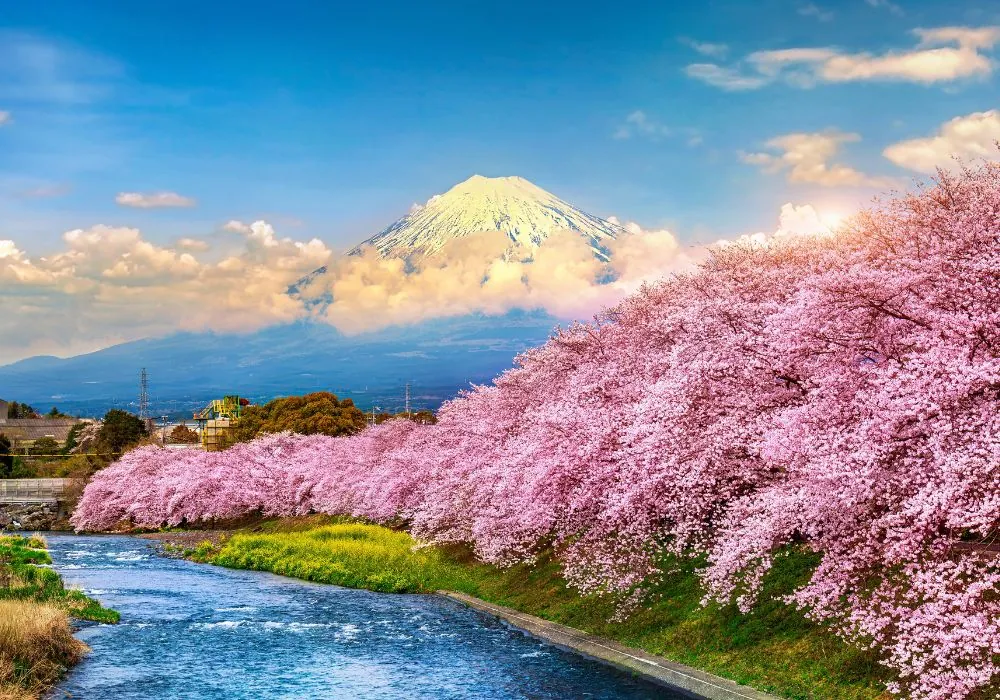
Mount Fuji is Japan’s highest mountain and a cultural landmark. The Fuji Five Lakes region offers rewarding views when the weather is clear. Climbing requires proper mountain equipment, fitness and advance planning; check the official season, trail registration and hut requirements before setting out. Plan adequate rest rather than an overnight dash to the summit.
2. Follow the Torii Gates at Fushimi Inari
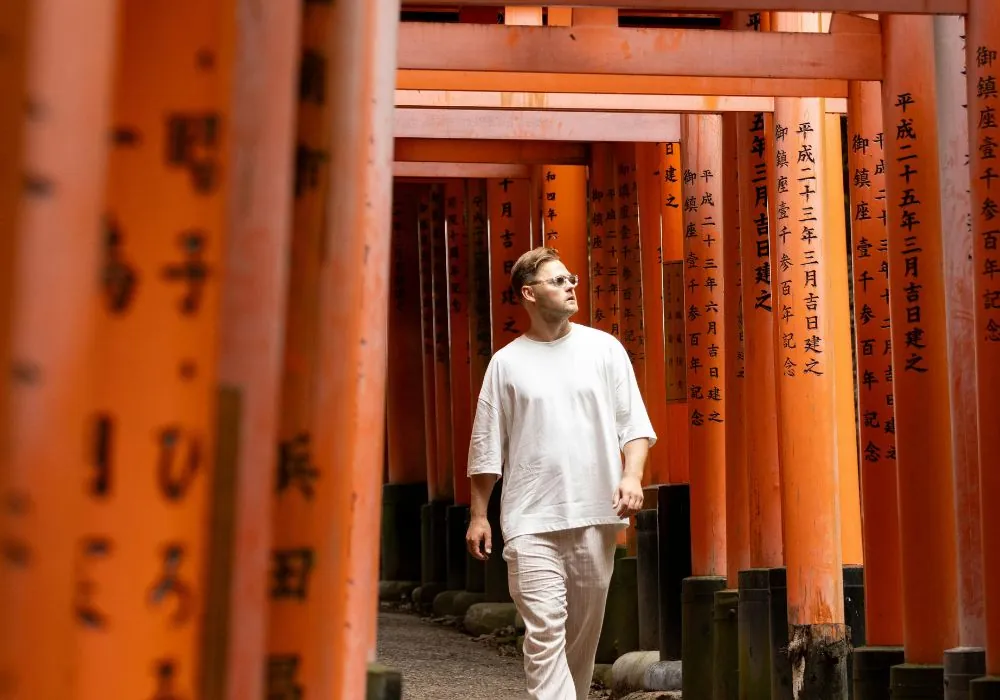
At Fushimi Inari Taisha in Kyoto, paths lined with vermilion torii gates climb the wooded slopes behind the main shrine. The shrine is associated with Inari, the deity of harvests and prosperity. Allow time to wander beyond the busiest entrance area, follow shrine etiquette and keep the paths clear for other visitors.
3. Enjoy Cherry Blossom Season
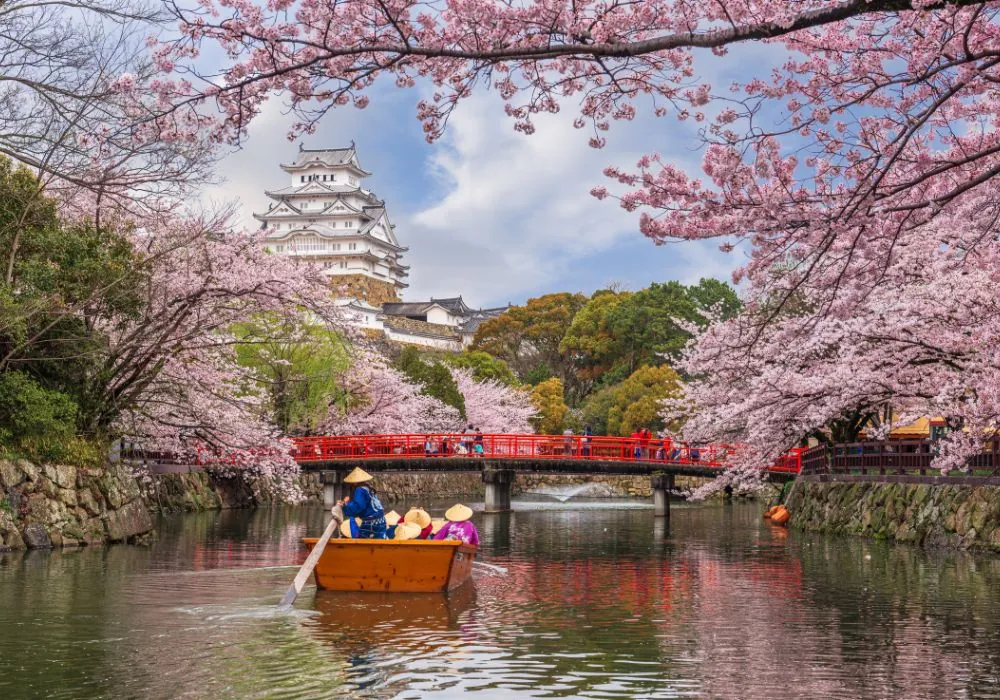
Cherry blossom viewing, or hanami, brings people together in parks and along riversides. Ueno Park in Tokyo and Maruyama Park in Kyoto are well-known spots, while smaller neighbourhood parks can offer a quieter experience. Flowering dates vary by region and weather, so use the latest local forecasts when planning.
4. Zip across Japan on a Bullet Train

Travelling on the Shinkansen is a comfortable way to connect Japan’s major cities. Settle into your seat with an ekiben, a station lunch box, and watch the scenery change between urban districts, farmland and mountains. Give each stop enough time; the train’s speed is an advantage, not a reason to rush your trip.
5. Lose Yourself in Kyoto’s Towering Bamboo Grove
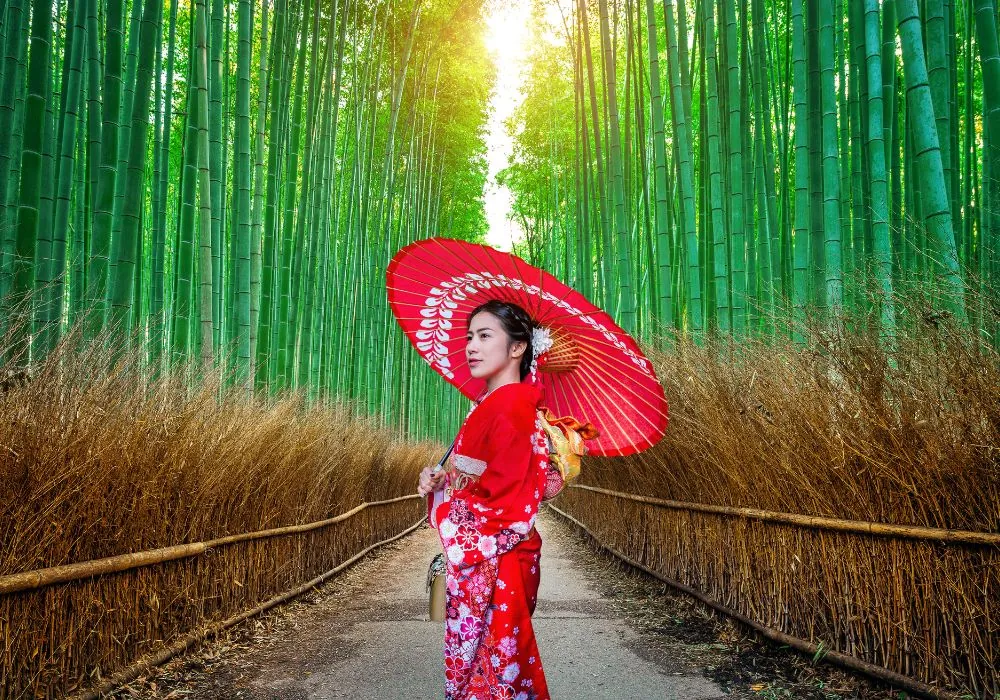
Arashiyama’s bamboo grove is one of Kyoto’s most recognisable sights. Walk beneath tall stalks, then explore the surrounding district and the gardens at Tenryu-ji. Early visits can be quieter, although this remains a popular destination throughout the day.
6. Meet Nara’s Deer and Explore Its Temples
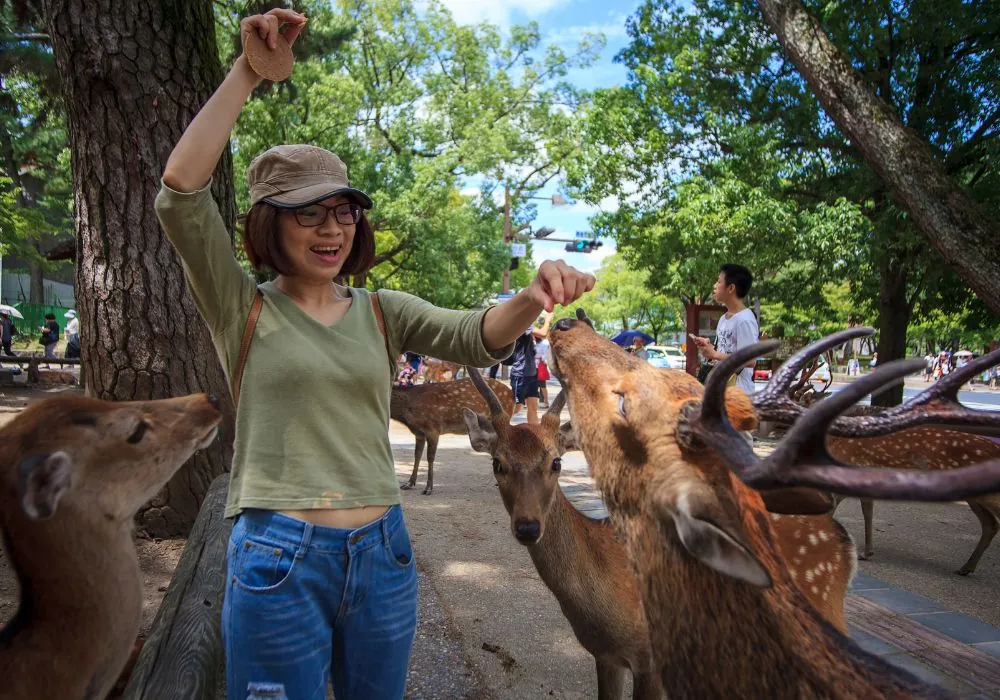
Deer roam freely around Nara Park, alongside sights such as Todai-ji Temple and Kasuga Taisha Shrine. They are wild animals, even when accustomed to people. Give them space, keep food and bags secure, and follow the park’s feeding instructions. Allow time for the temples as well as the deer.
7. Watch Snow Monkeys Soak in Hot Springs at Jigokudani
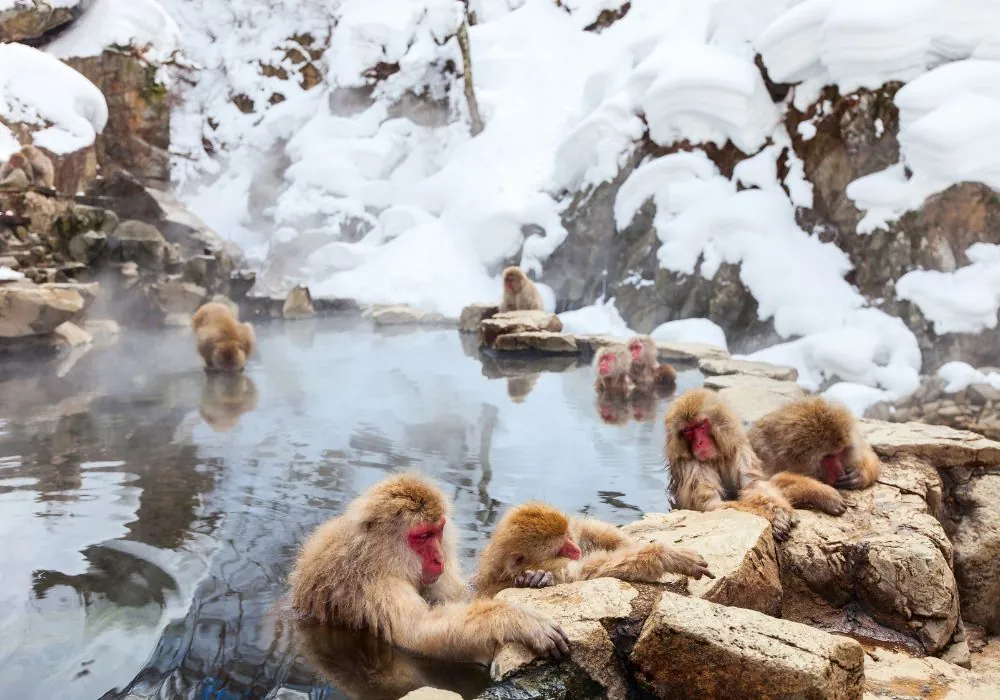
At Jigokudani Monkey Park in Nagano, you can observe Japanese macaques in their mountain habitat. Winter is known for snowy scenes around the hot-spring pool, but sightings and bathing behaviour are never guaranteed. Wear suitable footwear for the forest approach, keep your distance and do not feed or touch the animals.
8. Feel the Energy of a Live Sumo Tournament
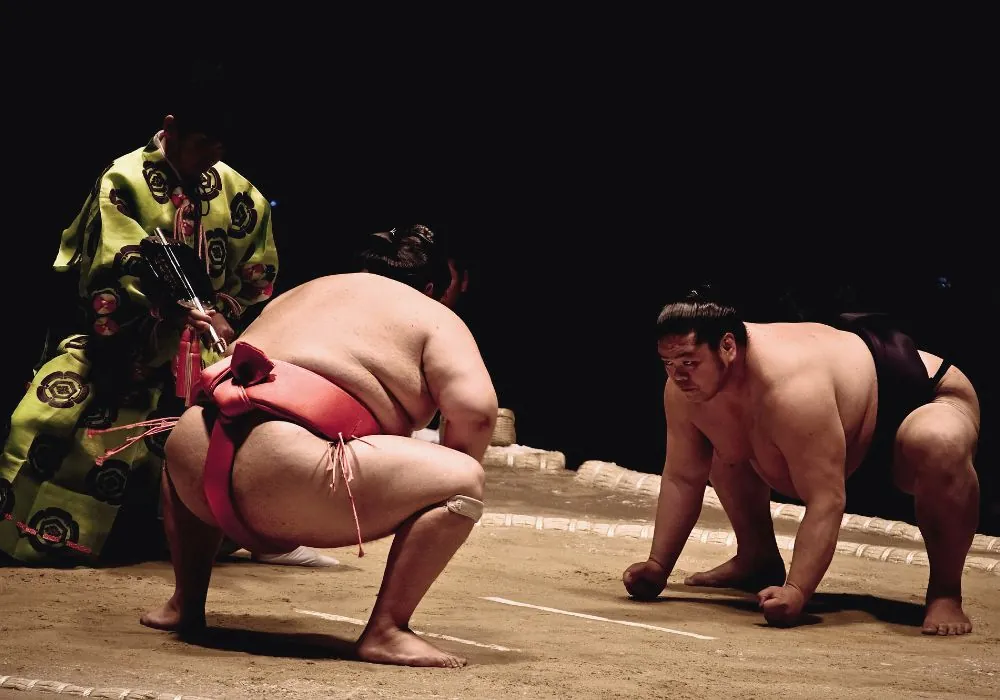
Sumo combines brief, intense bouts with carefully observed rituals. Watching a tournament is a memorable introduction to the sport; check the official schedule and book tickets ahead. Stable visits require advance arrangements and permission, with strict rules for spectators during training.
9. Immerse Yourself in the Japanese Onsen Experience
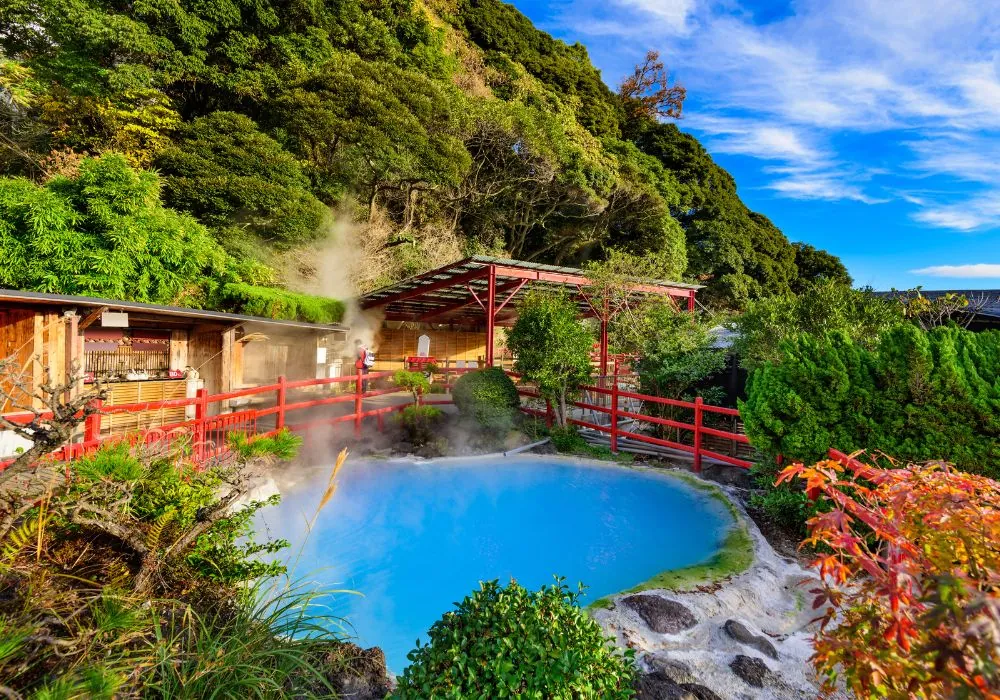
An onsen stay offers a chance to slow down, whether in a mountain village or a larger resort. Wash thoroughly before entering the shared bath and follow the property’s rules on towels, swimwear and tattoos. Private baths may be available if you prefer more privacy. Choose the experience that feels comfortable for you.
10. Savor Authentic Japanese Cuisine

Regional food is a highlight of travel in Japan. Try sushi in Tokyo, takoyaki or okonomiyaki in Osaka, seafood in Hokkaido and seasonal kaiseki meals in Kyoto. Everyday discoveries can be just as enjoyable: a small ramen counter, an onigiri for the train or a bowl of matcha in a tea house.
Practical Tips
When to visit: Japan can be visited throughout the year, but weather and seasonal highlights vary considerably between regions. Spring (March–May) and autumn (September–November) are popular for blossoms and foliage, although their timing varies. Winter brings snow sports and onsen stays, while summer offers festivals alongside heat, humidity and occasional severe weather.
Getting Around: Rail is convenient for many routes. Compare individual fares with regional and national rail passes before buying; a pass does not always offer the best value. Local public transport and walking work well for many city visits.
Language: A translation app and a few polite phrases, such as arigato (thank you) and sumimasen (excuse me), can make everyday interactions easier.
Etiquette: Follow signs about shoes, photography and quiet areas. At temples, shrines and public baths, watch the local guidance rather than assuming every venue follows identical rules.
Connectivity: A compatible eSIM, local SIM or pocket Wi-Fi can help with navigation. Check your phone’s compatibility and the coverage included before purchase.
A good Japan itinerary leaves time to enjoy each place. Balance busy city days with gardens, local meals and quieter stops.
Browse more travel ideas from Vietnam Tour Fun as you plan the experiences that matter most to you.
Further information: Official Mount Fuji climbing guidance; Fushimi Inari visitor information.
For more ideas and practical reading, explore our destination guides articles.