The ao dai has evolved through many forms. Museums, local tailors and cultural visits offer different ways to understand the garment today.
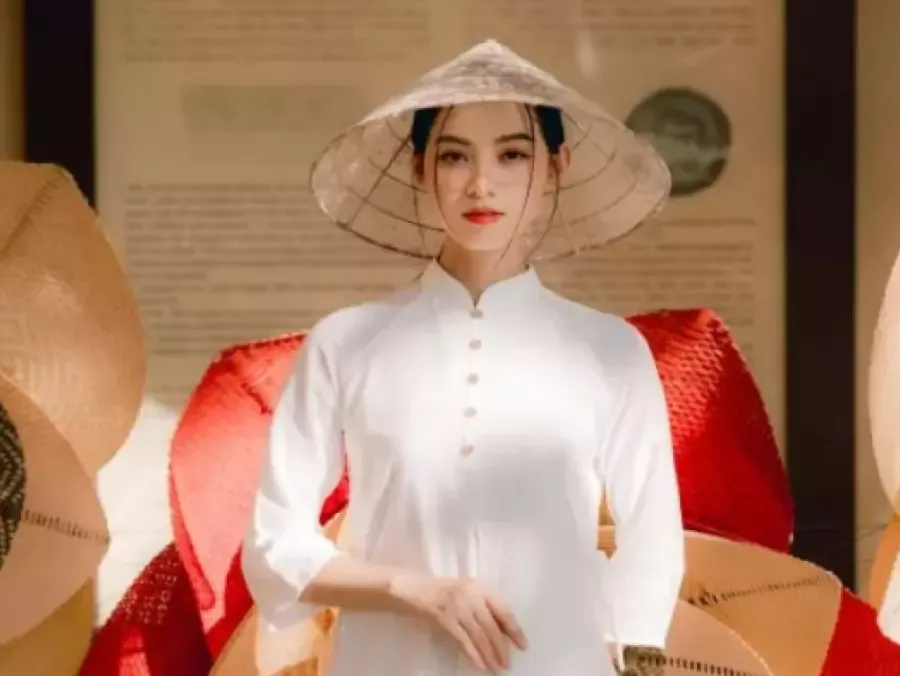
The ao dai is one of Vietnam’s most recognisable forms of dress. Its long panels and flowing trousers often look timeless, yet the garment has changed repeatedly as fashions and society have changed.
Understanding that evolution adds another layer to a museum visit, a tailoring appointment or a photograph taken during your trip.
Rather than a single design preserved unchanged for centuries, the ao dai reflects a conversation between older clothing traditions and new ideas.
Earlier long tunics, court dress and twentieth-century tailoring all contributed to the forms worn today. Designer Nguyen Cat Tuong, also known as Le Mur, played an important part in the changes of the 1930s.
Its story is one of adaptation as well as continuity.
Earlier Forms of Vietnamese Dress
Accounts of the ao dai’s development often connect it with eighteenth-century dress reforms under Lord Nguyen Phuc Khoat. These were part of a broader history of changing clothing customs, rather than the creation of today’s fitted garment in a single moment.
The ao ngu than, a five-panel tunic worn with trousers, is an important predecessor. Its looser shape differs from many modern designs, and both men’s and women’s forms are part of this clothing heritage.
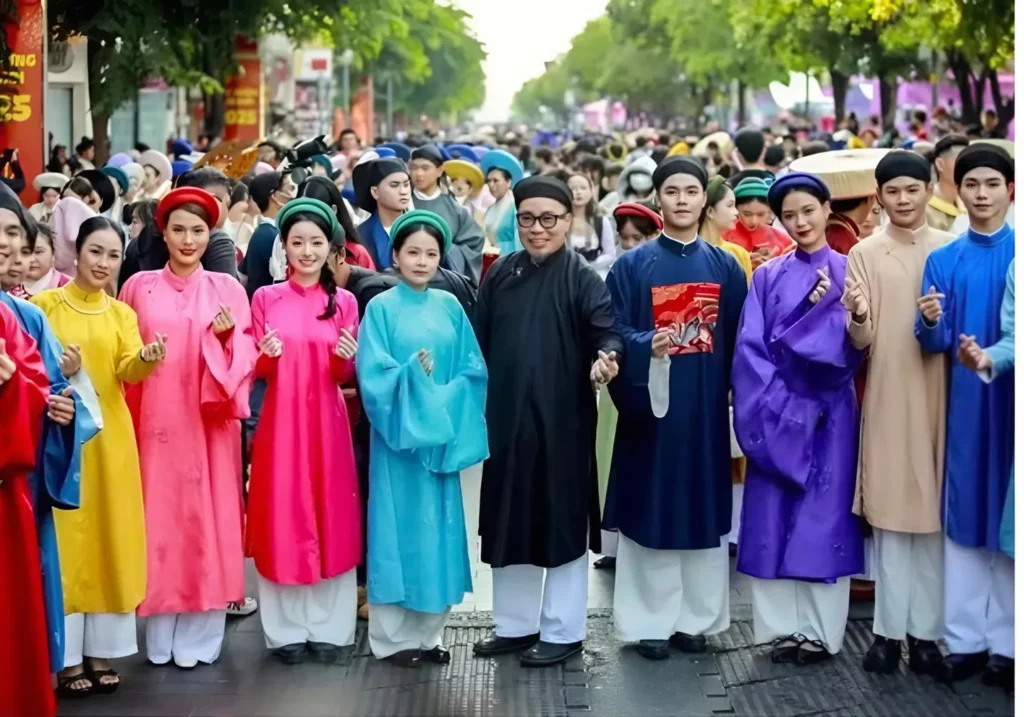
Le Mur and the Changes of the 1930s
In the 1930s, artist Nguyen Cat Tuong promoted new designs under the name Le Mur. His work brought contemporary fashion influences into Vietnamese dress and encouraged debate about style and modern life.
More fitted silhouettes and changes to collars, sleeves and decoration distinguished these designs from earlier tunics. Other designers and tailors continued to adapt the garment in subsequent decades.
The result was not one permanent style. Different versions became associated with particular periods, places and occasions, while wearers helped shape what remained popular.
Changing Use in Everyday Life
War, economic conditions and changing work patterns affected how often people wore formal clothing. The ao dai’s role varied across communities and periods, so its history is more complex than a simple story of disappearance and return.
Today, it is worn for weddings, celebrations, performances, some school and professional settings, and personal occasions. Vietnamese communities overseas have also contributed to its continuing visibility and reinvention.
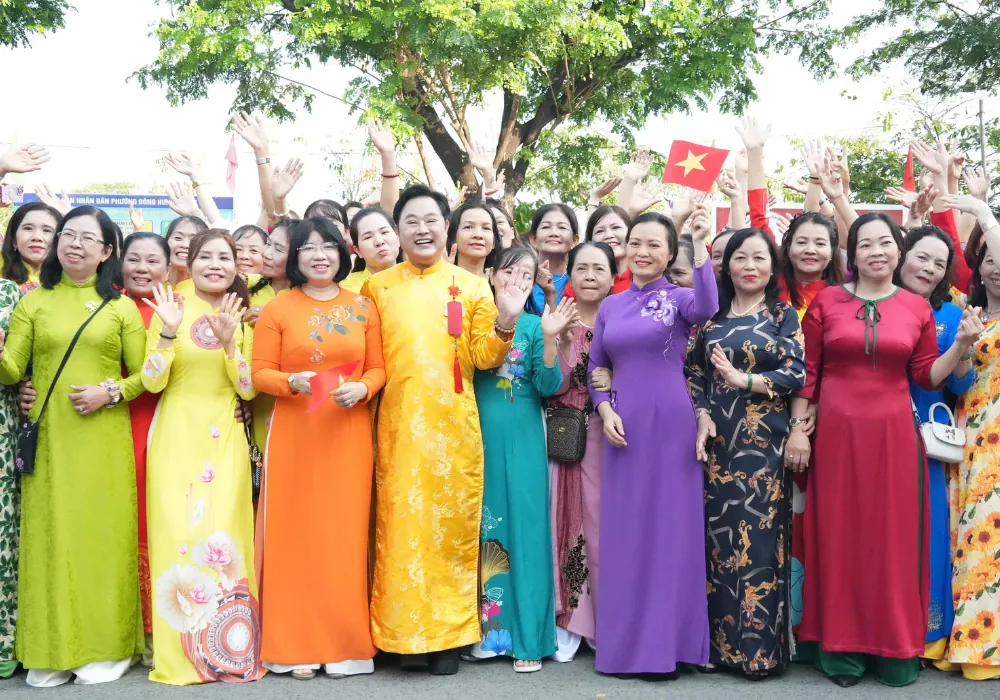
A Living Cultural Symbol
The ao dai connects personal style with cultural identity. Its meaning comes from the people who wear and create it, as much as from any one historical design.
Experiencing the Ao Dai on Your Trip
Museums and conversations with tailors can help you notice differences in construction, fabric and styling that are easy to miss at first glance.
In Hanoi, the Vietnamese Women’s Museum offers a useful introduction to clothing within the wider history and lives of Vietnamese women. Check the museum’s current exhibitions, opening hours and admission arrangements before visiting.
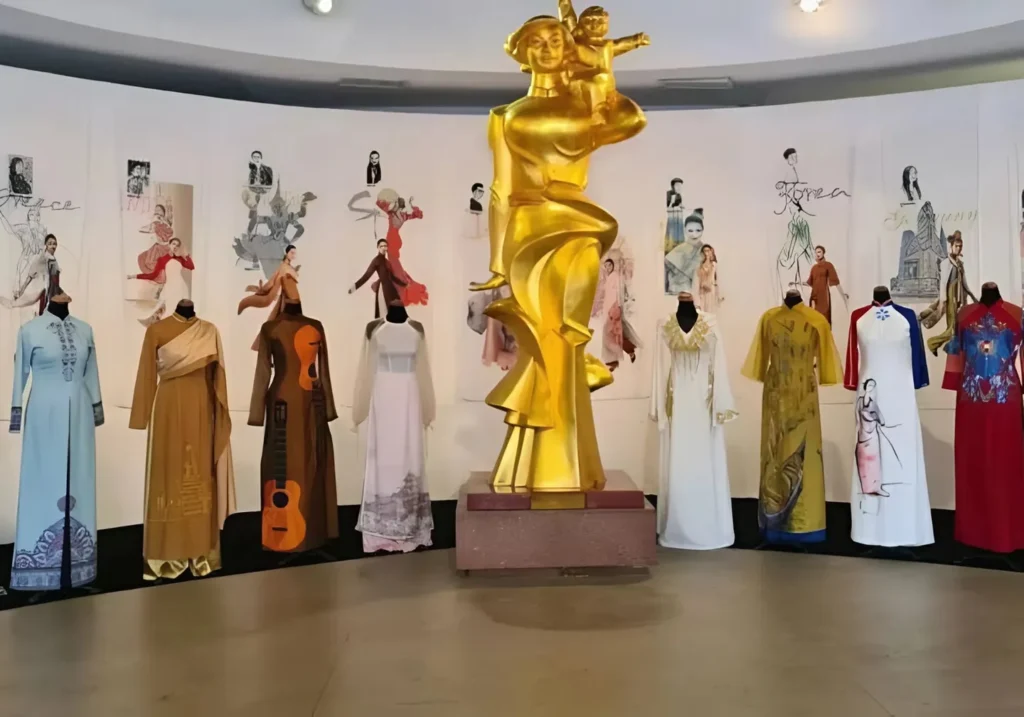
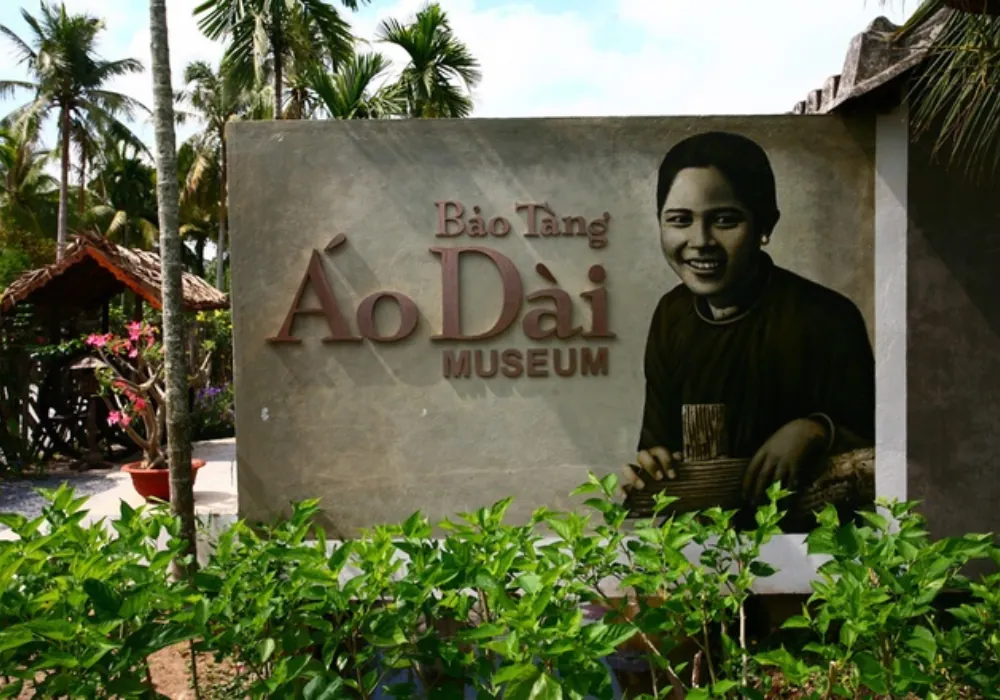
In Ho Chi Minh City, the Ao Dai Museum founded by designer Si Hoang focuses on the garment and its cultural context. Plan your transport and check current visitor arrangements before setting out.
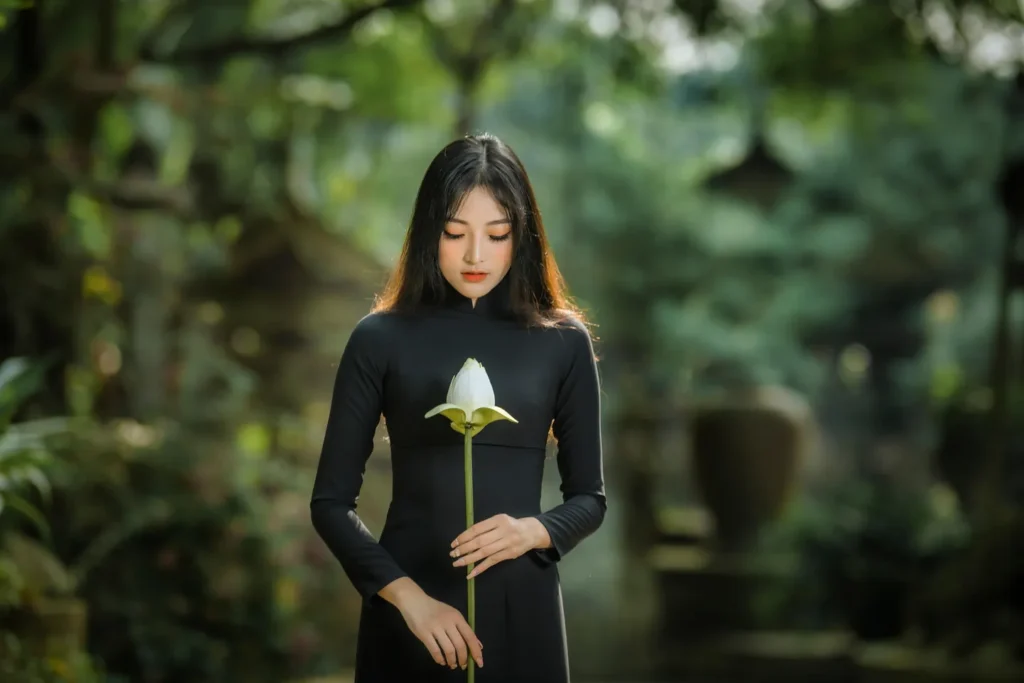
If you would like to wear an ao dai for photographs, choose a reputable rental shop and a comfortable fit. In Hanoi, a seasonal lotus setting or a quiet streetscape can provide a lovely backdrop; always respect private property and local activity.
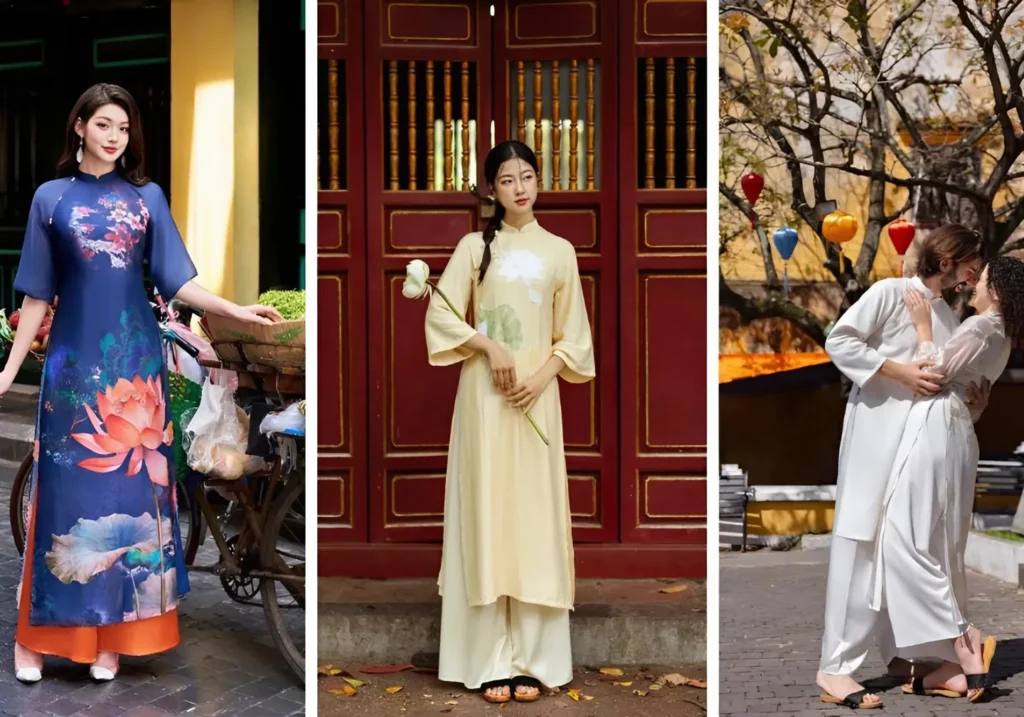
Hoi An also has rental and tailoring options. Discuss fabric, lining, fittings, completion time and the total price in advance. Allow time for adjustments, and choose a photography location without blocking residents, shops or other visitors.
If you would like to include a museum visit or a tailoring appointment, share your travel dates and interests with Vietnam Tour Fun. These experiences can be fitted around the rest of your trip. You can also explore this itinerary as a starting point:Hello Vietnam — An 11-Day Journey. Reach us at enquiry@vietnamtourfun.com or on WhatsApp: wa.me/84962954525.
To include more local encounters in your holiday, explore Sustainable Vietnam: Villages and Local Life - 12 Days. Tell our team which traditions, places and everyday experiences interest you most.
Further information: Vietnam Tourism: ao dai; Vietnamese Women’s Museum.