Cambodia Visas and Entry Requirements: E-visa and Arrival Forms
Before travelling to Cambodia, check your visa, digital arrival declaration and itinerary as separate parts of your preparation. This is especially useful when combining Cambodia with Vietnam, Laos or Thailand: a tour booking does not automatically complete immigration formalities. Requirements vary by nationality, passport type and purpose of travel.
The documents to prepare
Check whether your nationality requires a visa and which entry category suits your trip. Cambodia’s official e-visa guidance requires more than six months’ passport validity on arrival. The separate Cambodia e-Arrival declaration can be submitted within seven days before arrival. Completing this declaration does not replace a required visa. Source: official Cambodia e-visa guidance.
Your entry document timeline
When
What to prepare
When choosing your route
Check passport validity, your entry point and how many separate entries you will make.
Well before departure
Arrange the appropriate tourist visa if required. Allow time for processing or further questions, and check that your chosen entry point accepts your visa.
Within seven days before arrival
Complete the separate Cambodia e-Arrival declaration, with your arrival and accommodation details ready.
At passport control
Check the permitted departure date recorded by immigration and compare it with your return or onward journey.
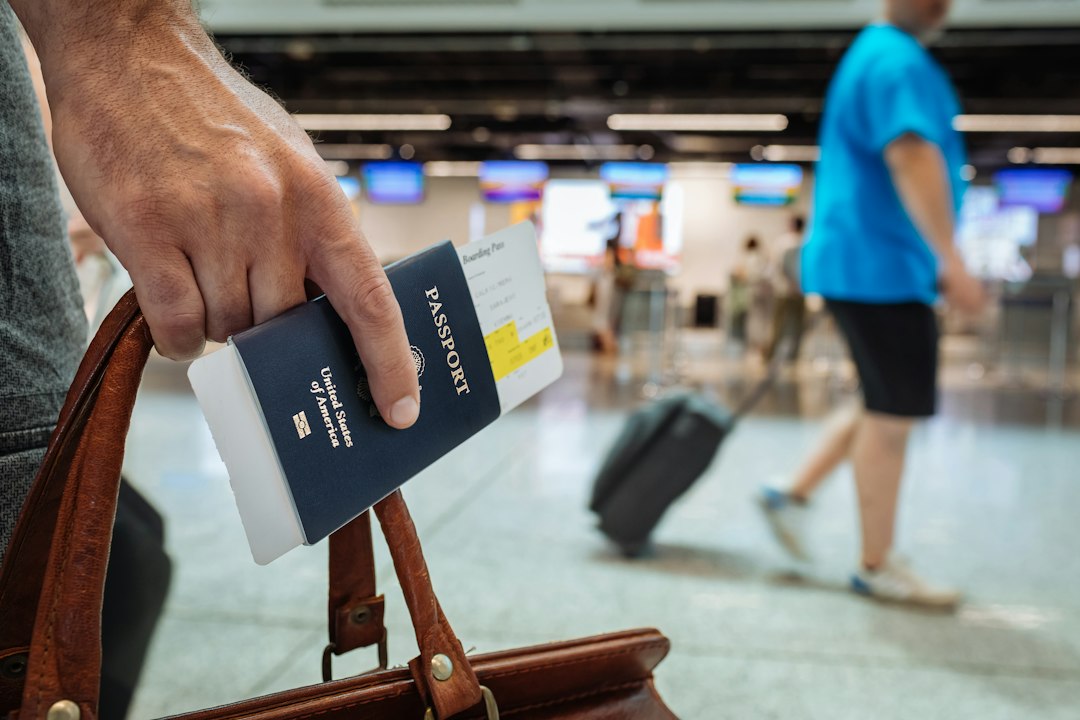
Prepare your visa and arrival declaration separately. Illustrative photograph, not a Cambodian visa sample.
A common point of confusion: The period in which a visa can be used to enter Cambodia is not the same as the time you may stay after entry. Record both dates: the last date on which you may enter and the date by which you must leave. A three-month visa validity period does not mean a three-month holiday is permitted.
Before making a payment: Check that your name, passport number, arrival date and entry point agree across your documents. An agent’s invoice is not a visa approval. Start with the official e-visa portal and use the separate Cambodia e-Arrival service for your arrival declaration. Check current fees and accepted entry points there rather than relying on an old screenshot.
Match your e-visa to your route
Use the official Cambodia e-visa portal to check the appropriate category, accepted entry points and current requirements. Not every border crossing accepts an e-visa. Confirm your actual route first, then apply for the documents that match it.
Have your passport details page, a suitable photograph, arrival date and first accommodation ready. Compare names and passport numbers with the original document before paying. Save your application, reference and approval separately. Submitting an application does not mean the visa has been issued, so allow time for any follow-up questions.
Complete Cambodia e-Arrival
Open the registration through Cambodia e-Arrival and follow the current government instructions. Match your flight, accommodation and personal details to your bookings, and keep the confirmation offline. For families, check every person’s information against their own travel document; a shared itinerary does not replace individual details.
Check every border on a multi-country trip
Make a chronological list of all entries. Vietnam–Cambodia–Vietnam involves different document checks from a single arrival in Cambodia with a flight home from Phnom Penh. Record the date, transport and specific crossing as well as the country. Review any route changes against current official entry information before rebooking.
Conditions at the Thai border can change, and some crossings may close or stop accepting particular documents. Confirm your proposed transfer against current official border and security advice rather than relying on older trip reports. Current border and security advice.
Before you leave home
Review passport validity, permitted stay, visa, arrival declaration and onward journey together. Keep documents accessible without an internet connection. Note your first accommodation address and local travel contact. Children, temporary passports and travel for purposes other than tourism may need additional checks.
Who can confirm the requirements?
Cambodian authorities decide visa eligibility and admission. Our team can organise your route and provide booking details, but cannot guarantee an immigration decision. Recheck official information shortly before travel; this guide helps you prepare and does not replace advice for your own circumstances.
Best Time to Visit Cambodia: Angkor, Cities and the Coast
The best time to visit Cambodia depends on whether you want to explore Angkor, spend time in its cities or add a beach stay. Conditions that create dramatic photographs are not always the most comfortable for every traveller. Start with your preferred pace, outdoor activities and time to rest.
Use the climate as a guide
Cambodia has a hot, humid monsoon climate. Official travel guidance describes a rainy season from May to November, when flooding and landslides can occur. This broad seasonal pattern does not replace a local forecast for the dates and places on your route. Source: German Federal Foreign Office — nature and climate.
Choose dates around your priorities
Your focus
A useful starting point
What else to check
Angkor and longer sightseeing days
Compare December to February first as a window outside the stated rainy season.
Allow for heat, sunshine and rest breaks even then. Cool weather and a clear sunrise are never guaranteed.
Fixed dates between May and November
Spread temple visits over shorter outings and prepare less weather-dependent alternatives.
After heavy rain, check actual access and local closures rather than relying on average weather charts.
The coast or an island as your main destination
Choose the specific beach area and its transfers first, then build the cultural route around it.
Confirm boat operations, sea conditions and a backup return plan, with a buffer before your international flight.
These planning suggestions use the May–November rainy-season pattern in official climate guidance. They are not a guarantee of weather or transport operations.
Time for explanations and rest can make Angkor more rewarding than a packed day of quick stops.
An example temple day to discuss: Visit one main site early in the morning, then have breakfast or add a shorter second stop. Keep midday free for a rest at your accommodation. Consider another visit in the late afternoon if you feel comfortable. This is an itinerary idea, not a statement of opening hours; access and timings are confirmed locally.
With three nights in Siem Reap: Keep arrival day relaxed, devote a full day to temples and use another for further sites or food experiences. If you choose a sunrise visit, you need not stay out until evening. Photography interests, comfort in the heat and mobility should guide the selection of stops.
Before choosing a rainy-day alternative: Ask whether it is included or costs extra, whether it can be moved on the day and whether the route there is safe. A cooking class may replace a wet walking tour, but it cannot solve a closed access road.
Angkor: plan the day as well as the month
Split more demanding paths and stairs between manageable visits. A longer break between morning and late afternoon can be more pleasant than continuous sightseeing. If sunrise is a priority, avoid planning a very late evening immediately beforehand.
Tell us whether architecture, history, photography or simply the atmosphere interests you most. That helps shape the selection of sites. Fewer temples with thoughtful explanations and breathing space can offer more than a long series of brief photo stops.
Planning around the rainy season
If your travel dates are fixed, avoid making the whole itinerary depend on weather-sensitive outings. Consider alternatives such as cooking, crafts or suitable indoor visits, and agree what can be rearranged. Lower-season pricing is less useful if the experience you care about most cannot be planned reliably.
Distinguish ordinary rain from a serious weather warning. Local closures take priority over the original programme. Check access for rural stages, and avoid tight international connections immediately after a long journey affected by the weather.
Adding the coast or an island
Look at the complete transfer: arrival, road journey, boat and final access to your accommodation. Ask what happens in poor weather and what return alternatives exist. A beach photograph cannot tell you the conditions on your travel day. Leave a buffer between a weather-dependent boat trip and your long-haul flight home.
How much time do you need?
Start with your priorities rather than fitting in as many places as possible. A shorter visit can focus on Siem Reap, while more time allows other regions to be enjoyed at a comfortable pace. Count usable time in each place, not only nights between flights; arrival and departure days often leave limited sightseeing time.
Before each stage
Check local forecasts and reconfirm transfers. Keep weather protection, comfortable footwear and a dry document pouch in your day bag. Our team can adjust the order of experiences with you. Good planning leaves realistic time and useful alternatives instead of promising sunshine every day.
Food and Drink in Cambodia: Discover Khmer Flavours
Food offers another way to get to know Cambodia alongside its temples. A shared meal, a market visit or a cooking class opens a window onto everyday life. Give these experiences their own place in your journey, with time to enjoy them.
Amok: an introduction to Khmer cooking
Fish amok is a familiar example: fish is prepared with coconut milk and an aromatic spice paste, traditionally by steaming. Recipes may include egg, fish sauce or prawn paste. Versions vary, so ask about specific ingredients if you have intolerances. For an illustrated explanation of the method, see Caroline’s Cooking – Amok Trey.
Other dishes to try
Dish
One typical version
A question for the kitchen
Num Banh Chok
Khmer rice noodles with a sauce made from fish, lemongrass and green kroeung spice paste.
Which fish ingredients and herbs are used?
Kuy Teav
Noodle soup in different versions, including pork, beef, prawns or fish balls.
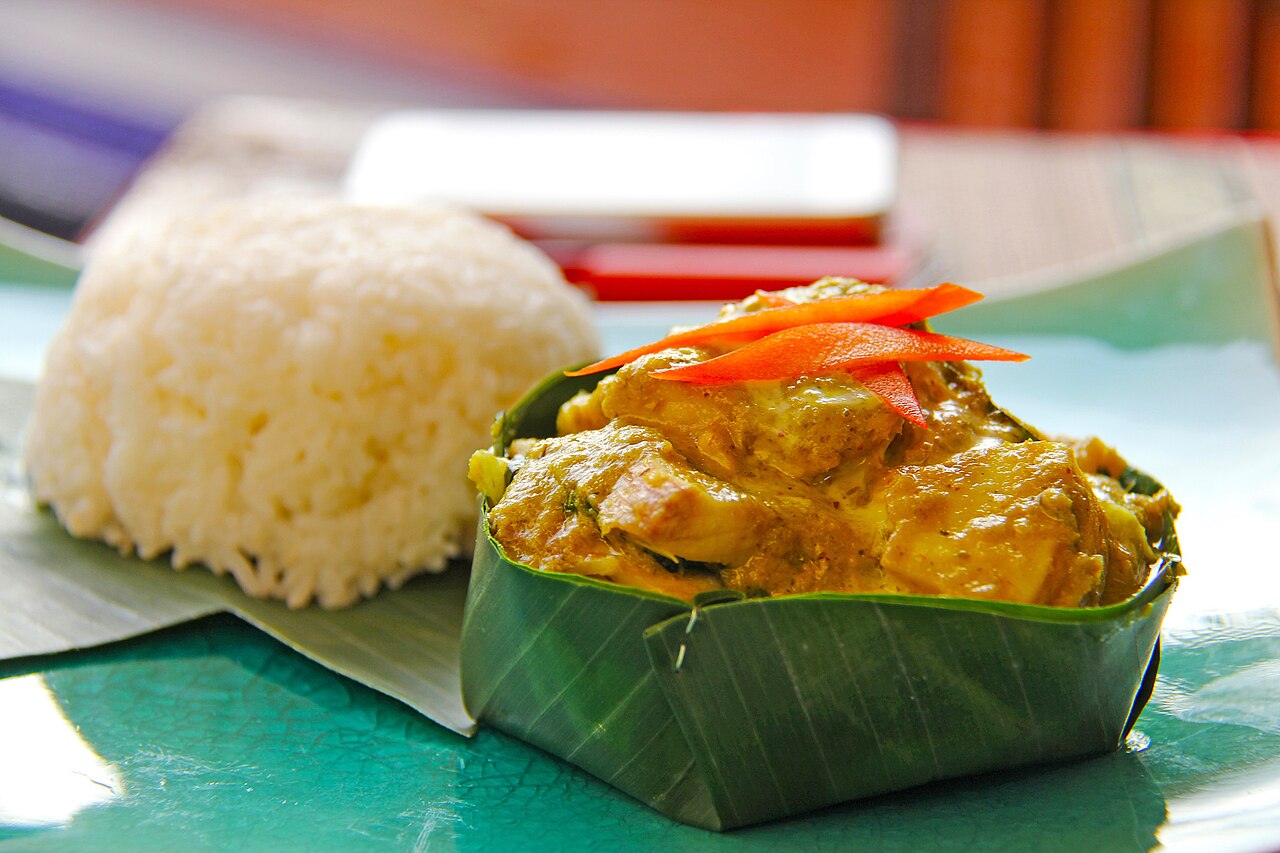
Fish amok with rice: a good opportunity to ask about the spice paste, sauce and accompaniments.
A gentle introduction over two days: Try noodle soup one morning and a rice dish another. In the evening, share amok and a second dish if the portions suit. This introduces different cooking styles without turning every meal into a large tasting menu.
Choose a cooking class by what you want to learn: Would you like to make a spice paste, understand market ingredients or prepare a full menu? Ask which steps you will do yourself. Request a recipe to take home and advice on suitable substitute ingredients.
Ask about four parts of the dish: The main ingredients, broth or spice paste, sauce and garnish. For fish, prawns, eggs or nuts, this is more reliable than a general request for ‘no meat’. With a severe allergy, discuss possible cross-contact as well; the absence of a visible ingredient is not enough.
Choose a meal with more than the photograph in mind
Dish names and photographs do not reveal every ingredient. Ask about accompaniments, sauces and seasonings. If you want to explore, order a small selection to share. Check portion sizes and chilli levels rather than accidentally ordering several full meals each.
For a family or group with different preferences, a relaxed restaurant visit may be easier than a long walk with many stops. If you enjoy eating as you explore, choose a manageable food walk. Either works well when the pace and expectations are clear beforehand.
Combine a market visit with cooking
Ask whether the class includes a market visit, transfers, ingredients and eating together. A short shopping introduction differs from a detailed market tour. Tell the operator about dietary needs beforehand, and clarify any preparation tasks you would prefer not to do before booking.
A rewarding class does not need a large number of recipes. Understanding the ingredients and having time for questions matter more. Note which ingredients can be replaced at home, so you can revisit the experience in your own kitchen.
Vegetarian, vegan and allergy-aware travel
Explain exactly what needs to be excluded: meat, fish, fish sauce, prawn paste, eggs or other ingredients. A dish without visible meat is not automatically vegetarian. Severe allergies need personal medical preparation and a clear translated ingredient card. Discuss cross-contact separately; a tour company cannot guarantee an allergen-free kitchen.
Food hygiene and drinks
Look for hygienic preparation, safe drinking water and careful handling of raw ingredients. An attractive dining room alone does not establish food safety. Discuss individual medical questions before your trip. Source: CDC – food and drink in Cambodia.
Food experiences between temple visits
After an intensive morning at the temples, leave time to rest before a relaxed meal or a small cooking class later in the day. On another day, make a market visit the focus. Tell our team whether you would like to cook, discover local restaurants or include just a few food experiences along the route.
Cambodia Travel Health: Prepare for Temples, Cities and Rural Stays
Prepare for your Cambodia holiday around the journey you will actually take. Several days in Siem Reap, rural overnight stops and an island stay need different practical arrangements. This guide helps with planning; it does not replace a medical examination or personal travel health advice.
Take your itinerary to your health appointment
Bring your vaccination record, medication list and planned overnight stops. Discuss routine vaccinations, any additional travel vaccinations and other precautions according to your own health risks. Your activities, trip length and existing conditions all matter. Source: CDC Cambodia travel health guidance.
Protect yourself from mosquito bites
Plan suitable clothing, insect repellent and protection at your accommodation. A clinician can advise whether your particular route needs further precautions. Official country guidance covers risks such as dengue; the same advice will not suit every traveller and itinerary. CDC: mosquitoes and travel health.
Plan temple days at a comfortable pace
Long walks, steps and heat can make sightseeing more demanding than expected. Let us know early about rest breaks, mobility needs or walking limits. You do not need to see every temple in one day. An early start with a longer afternoon break is one option, not a requirement for every group.
Keep necessary medicines and weather protection in an accessible day bag. If you have a health condition, discuss strenuous activities with a medical professional. Your guide can adjust the arrangements but cannot assess medical suitability.
Drinking water, food and hand hygiene
Choose safe drinking water and freshly, hygienically prepared food. Keep up handwashing and take care with raw ingredients. Avoid combining medicines for symptoms without professional advice. Before travelling, ask which symptoms or situations should prompt urgent medical attention. CDC: staying healthy and safe.
Prepare for your temple visits and travel days
Situation
What to arrange in advance
Several temple sites in one day
Discuss walking distances, steps, shaded rests and the option to return early, rather than only counting temples.
Limited mobility
Explain which paths or steps are difficult and include an alternative that does not require climbing.
A rural or island overnight stay
Identify the nearest suitable medical care, contact details and transport options before setting off.
Regular medication
Agree supplies, active-ingredient information and storage with your clinician or pharmacist, and check import rules separately.
These questions help with practical planning. Personal medical precautions should follow your consultation and the CDC Cambodia health guidance.
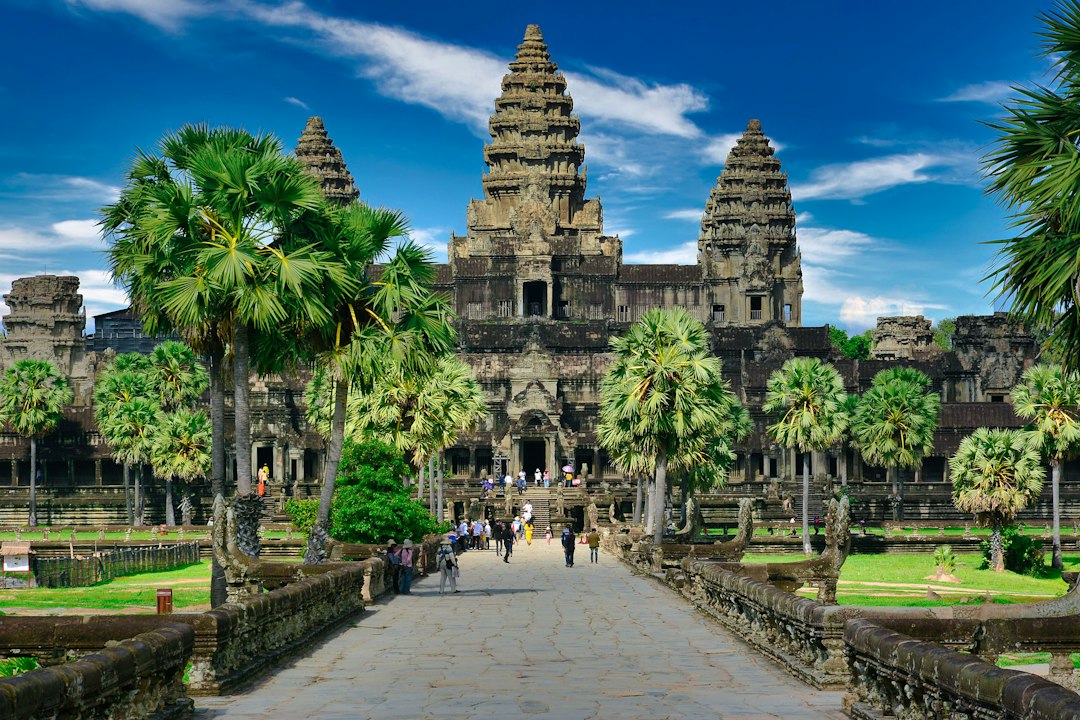
When planning temple visits, consider walking distances, stairs and rest time as well as the sights.
What to keep in your day bag: Necessary personal medicines, safe drinking water, sun protection, suitable insect repellent, hand hygiene items and an easy-to-find emergency information card. Tailor medicines and their use with professional advice rather than a generic online list, particularly for children or existing conditions.
Do not wait after an animal bite or scratch: Wash the wound thoroughly with soap and water for at least 15 minutes immediately, then seek urgent medical assessment for possible rabies exposure. Previous preventive vaccination does not remove the need for medical assessment after a potentially risky contact. Source: WHO — rabies.
An emergency plan is more than a phone number: Agree who will inform your companion, contact your insurer and reach your accommodation. Keep your insurance reference, allergies and important medicines recorded offline. If you need medical care, it takes priority over finishing an excursion.
Health sources reviewed on 27 October 2026. This article is not a diagnosis or an individual vaccination or treatment plan.
Your travel health kit and medication rules
Prepare your health kit with a doctor or pharmacist. Check import requirements for restricted medicines and keep a list of active ingredients. Account for heat and long travel days when planning storage. Bring a suitable personal supply rather than relying on finding an unchecked substitute after arrival.
Insurance and access to care
Before travelling, check your insurer’s procedures for treatment, medical transfers and repatriation. Save the assistance number and policy details offline. For more remote stages, discuss how medical help could be reached. General information on local facilities is available from the German Federal Foreign Office.
If symptoms are acute or getting worse, medical care comes first. After your holiday, tell clinicians which regions you visited. Our team can help organise assistance and adjust the itinerary, while qualified professionals assess and treat medical problems.
Flights to Cambodia: Airports, Connections and Onward Travel
When planning a Cambodia journey, where you land matters as much as when. A short stay around Angkor calls for different arrival arrangements from a tour including the capital and coast. Match flights and the ground itinerary before confirming them separately.
Check the actual airport
Look at the airport name and code on your current ticket and the real distance to your hotel. Older travel accounts may refer to former airport locations or different services. Give our team full flight numbers and dates rather than only a city name. Current airport information is available from the operator, such as Cambodia Airports; your confirmed booking remains the basis for the arrangements.
For collection, send the full flight confirmation rather than only ‘Phnom Penh’ or ‘Siem Reap’. Confirm the meeting point and transfer time separately. An early landing does not necessarily get you to the hotel in time for a fixed morning visit. Plan the first day around the airport actually booked.
SAI and KTI: two different starting points
Airport
When it fits your route
Details for your collection
SAI – Siem Reap Angkor International Airport
When Angkor and Siem Reap begin or end your journey.
Flight number, local arrival date and time, and the exact hotel address.
KTI – Techo International Airport
When you begin or finish in Phnom Penh.
Give the full airport name and code; do not rely on transfer information for the previous airport.
The airport on your current ticket matters, not only the city name. Illustrative photograph, not SAI or KTI.
One way to avoid returning to your starting point: Arrive in Siem Reap, spend several nights exploring Angkor, then take a confirmed connection to Phnom Penh and depart from KTI. Whether this works better than using the same airport both ways depends on available services, total cost and your time. It is a route idea rather than a fixed package.
On your first day: Allow for immigration, baggage collection, meeting your driver and the hotel transfer before any temple visit. A gentle afternoon or flexible walk is easier to adjust than a prepaid outing immediately after landing.
On your last night: Compare staying in your departure city with making a long journey there the same day. The full transport sequence matters especially after an island or boat stay. Ask what alternative is available if a connection is disrupted; an estimated journey time alone is not a complete plan.
Siem Reap, the capital or the coast first?
List the places you want to visit in geographical order. Then consider whether different arrival and departure airports can reduce backtracking. On a shorter trip, exploring one area properly may be more enjoyable than moving between several regions. Each extra place takes packing and transfer time as well as a night.
Compare connecting flights carefully
Distinguish a through-booking from separately bought tickets. Clarify baggage transfer, check-in, possible terminal changes and what happens after a delay. A connection that is technically possible may not be the most comfortable. Leave sufficient time for self-arranged connections and understand the conditions of every segment.
Also check whether a stopover requires entry formalities. Spending a night outside the transit area differs from staying airside. Include the transit country and your eventual return journey when checking documents.
Combining neighbouring countries
A multi-country journey needs more planning than drawing a line on a map. Available connections, documents and current travel advice determine a sensible route. Before a land crossing, read official travel advice and have the actual stage confirmed. A flight may offer an alternative, but it must operate on your travel date.
Baggage and arrival day
Check baggage weight and dimensions for every flight. Get explicit confirmation for special luggage, pushchairs or mobility aids. For an early landing, agree whether your room will be available or whether to plan a gentle start. A full temple tour straight after a long journey does not suit everyone.
Choose your final night thoughtfully
Leave a buffer between a long road or boat journey and your international flight. An overnight stay in the departure city can make the finish more relaxed. Reconfirm local times, collection and check-in requirements before travel. Our team plans the ground arrangements around your confirmed flights; flight times and fares can change.
Practical Cambodia Travel Tips: Temples, Money and Everyday Arrangements
A rewarding Cambodia journey leaves room for impressions and encounters. A little practical preparation helps avoid repeating the same organisational questions each day. Start with the actual places on your route: temples, cities, countryside and islands call for different equipment and daily rhythms.
Keep money arrangements simple
The national currency is the riel, and US dollars are also widely used. Change may be given in either currency. Check amounts and the condition of banknotes. Cards cannot be used everywhere. Source: German Federal Foreign Office – money and cards.
Separate daily spending money from your reserve and store payment methods in different places. Clarify which meals and activities your tour includes. Smaller notes are useful for everyday purchases. If helpful, record expenses so using two currencies does not become confusing.
Angkor Pass: visiting days and validity are different
Pass
Price checked
Validity window listed by the operator
1 visiting day
USD 37
1 day
3 visiting days
USD 62
7 days
7 visiting days
USD 72
30 days
Source: Angkor Enterprise – official ticket options, checked on 27 October 2026. Recheck prices and conditions immediately before buying; the issued ticket determines the terms.
What this means for your plans: A three-day pass provides three visiting days within its validity window, rather than unlimited entry on all seven days. At the prices above, two separate one-day passes total USD 74, compared with USD 62 for a three-day pass. If you plan two temple days, compare the multi-day option when its validity fits your trip. Choose a comfortable sightseeing plan rather than adding visits only to use the ticket.
Two relaxed temple days can be more rewarding than one overloaded visit.
Check your travel documents before buying: Is admission already included? Who arranges the pass? Which visiting days are planned? Are the guide, vehicle and other entrance fees listed separately? These questions help avoid paying twice and make the excursion’s inclusions clear.
For a temple day: Keep your pass accessible, wear suitable clothing and comfortable shoes, and allow for breaks. Stay on marked paths rather than entering closed or uncertain areas for a photograph. Official safety advice also highlights the importance of following these precautions.
Prepare for temple visits
Follow local guidance and wear appropriate clothing. Plan comfortable shoes and regular breaks. Stay on designated paths and ask before photographing people. For admission details, use official information such as Angkor Enterprise rather than prices from older trip reports.
Make local encounters respectful
For village and craft visits, ask how the visit works and who benefits. Photograph people only with their consent. Choose experiences whose arrangements are clear, and ask how projects described as social initiatives actually operate. A good cause in the advertising does not by itself establish that a visit is helpful.
Internet access and an offline plan
For a SIM or eSIM, check device compatibility, data allowance and validity. Keep meeting points, addresses and travel documents offline too. Confirm how to contact your travel team without a data connection. A small card with your accommodation and contact details makes information easy to show.
Think before adding a spontaneous detour
An extra outing should take account of current warnings and local advice. Check official guidance for border regions and particular activities. Also confirm local rules before carrying or using a drone. Our team can look at suitable alternatives, with each new stage confirmed before it becomes part of the plan.
A light day bag
Keep personal medicines, water, weather protection and documents within easy reach. Avoid carrying unnecessary weight on longer sightseeing days. Keep sensitive papers secure and bring only what you need. For children, regular breaks and a realistic pace are often more useful than one more sight.
A final check before travelling
Discuss collection times, inclusions, tipping, food preferences and free time. Agree how changes will be confirmed. A clear plan shows what is organised and where you can decide for yourself, without prescribing every moment.
YOUR CHOICE
Your privacy matters
Essential cookies keep this website working. With your permission, we also use analytics and marketing services to understand visits and measure advertising. You can choose these separately in settings and change your choices at any time.