Thailand Entry Requirements: Visas, TDAC and Travel Documents
Thailand brings together lively cities, beautiful temples and island escapes. Before you travel, check three things separately: your permission to stay, your travel documents and the digital arrival card. Requirements depend on your nationality, passport and reason for travel; business visits, longer stays and special documents need their own checks.
Which entry rules apply to your trip?
Visa-free eligibility and the length of stay depend on your passport and the current rules. Check the official Thai visa guidance before booking, then confirm the period granted when you enter. Older travel articles may quote a different allowance. Review passport validity and any return or onward travel requirements at the same time. Source: official Thai e-visa portal.
If you are planning a longer holiday or travelling for another purpose, establish whether you need a visa in advance. Use the official Thai e-visa portal and the Thai embassy or consulate responsible for your application. Do not book a longer stay on the assumption that an extension will necessarily be approved.
Passport, entry permission and TDAC: three separate checks
Document
What it is for
What you need to do
Passport
Your identity and travel document
Check its validity, your name and passport number against the original. Every traveller needs the appropriate documents.
Visa or permitted visa-free entry
Your reason for travel and allowed length of stay
Compare the entire stay, including arrival and departure, with the rules for your passport.
Thailand Digital Arrival Card
Your digital arrival information
Complete it free of charge on the official portal within the three-day window including your arrival date, and save the confirmation.
TDAC procedure from Thai Immigration. A TDAC does not extend a visa or your permitted stay.
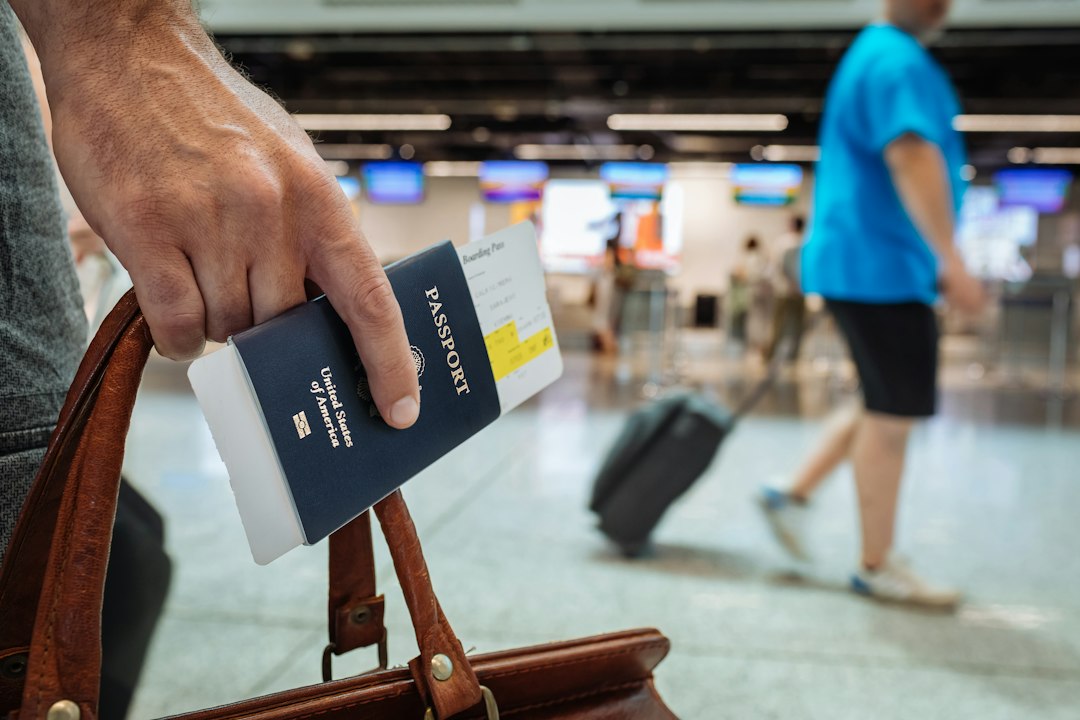
Review your entry documents together before departure. Illustrative photograph, not a TDAC sample.
Have these details ready: Your passport, arrival date, flight number or other transport details, first hotel address and an email address you can access. The official form is completed in English. Download the confirmation after submitting; a screenshot of an unfinished form is not proof of registration.
Planning a longer holiday: For a six-week stay entirely in Thailand, first check whether your passport’s current visa-free allowance covers it or whether a visa is needed. Do not rely on an unconfirmed extension. For a multi-country trip, mark each separate entry into Thailand and check the formalities for each one.
Official information reviewed on 27 October 2026: Thai e-visa portal and Thai Immigration. The immigration decision on arrival determines the stay actually granted.
TDAC is an arrival card, not a visa
The Thailand Digital Arrival Card is a separate digital registration. Thai Immigration provides it free of charge, within the three-day window including the date of arrival. Its official guidance makes clear that it is not a visa. Use the government portal and save your confirmation. Source: Thai Immigration TDAC guide.
Prepare your passport details, arrival date, transport and first accommodation address. Check that the form is complete before submitting. Each member of a group should check their own details; booking a group tour does not automatically complete anyone’s immigration formalities.
Check each entry separately
A Thailand–Laos–Thailand itinerary involves leaving Thailand and entering again later. Add a line for each crossing in your travel plan. Check the return entry requirements as well as the documents needed for Laos. Remaining in international transit without passing immigration is different from leaving the airport for an overnight hotel stay.
Border conditions and opening hours can change. For routes involving Cambodia, check current official guidance for the border region particularly carefully. Do not plan a land crossing solely because it appears on an old map or travel blog; confirm the specific connection before booking.
A useful travel document folder
Keep offline copies of your passport, flights, accommodation and entry confirmations, along with the contact details of your first hotel. If flights or hotels change, check whether any registration details need updating. Names on bookings should match your travel documents. A screenshot of a form is not the same as an issued approval.
Frequently asked questions and final checks
Does the TDAC also arrange my visa? No. They are separate procedures. Can travellers of different nationalities follow the same entry rules? Not necessarily; each passport must be checked. Who provides binding advice? The Thai authorities responsible for your entry or visa. Our team can help organise your itinerary, but cannot guarantee an immigration decision. Recheck official information shortly before departure.
Best Time to Visit Thailand: Combining Bangkok, the North and the Islands
A trip to Thailand can focus on Bangkok and cultural sites, take you north, or finish with time at the beach. These options do not all require the same weather planning. Choose a specific combination of regions and activities, rather than just a country and a month.
The monsoon is not the same everywhere
The southwest monsoon affects many parts of Thailand from around May to October. The Tourism Authority of Thailand notes that this does not automatically mean rain all day, although boat trips require particular caution. Islands on different coasts can have different seasonal conditions. A broad statement such as “Thailand has bad weather in summer” does little to help plan a specific journey. Source: TAT guidance on the southwest monsoon.
Bangkok and cultural visits
For city days, take your daily schedule as seriously as your choice of month. An early temple visit, a longer midday break and an evening walk can be more comfortable than a packed programme during the hottest hours. Group sights by location so that unnecessary journeys across the city do not take up the day.
Even with fixed travel dates, the order of indoor and outdoor activities can remain flexible. Ask in advance which visits could sensibly be moved in heavy rain. Avoid filling every free hour with another activity; a weather buffer also gives you time to rest.
Northern Thailand: temperature and air quality
For Chiang Mai and rural stages, altitude, trail conditions and current air quality matter. Travel advisories identify seasonal air pollution as a possible planning factor. Before hiking, check local conditions as well as the temperature. If you have a respiratory condition in particular, discuss your route as part of personalised advice. Source: German Federal Foreign Office.
Seasonal overview: treat each coast separately
Region
Initial planning window
What may affect your choice
Bangkok and inland cultural sites
Compare the winter months as a starting point; plan for heat in March and especially April.
Early visits and longer midday breaks rather than walking all day.
Chiang Mai and northern Thailand
Consider November to February for culture and nature.
Assess altitude, cool mornings and air quality separately; a dry day is not necessarily a good hiking day.
Andaman coast, including Phuket and Krabi
Use November to April as an initial comparison window for a beach stay.
During the summer monsoon period, explicitly check sea conditions, boat connections and park openings.
Gulf coast around Koh Samui
Do not use Phuket’s calendar; November to January can bring heavy rain here.
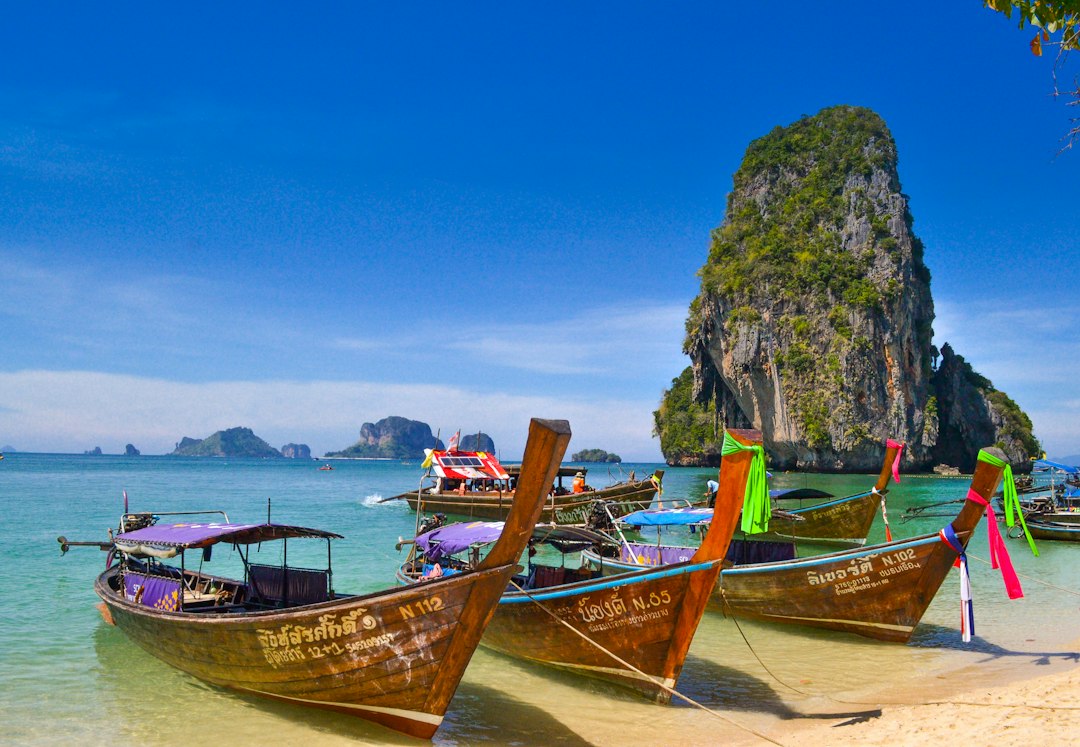
For summer holidays, compare both coasts for your specific island destination rather than deciding only from hotel photographs.
Local conditions determine boat trips; a sunny photograph does not guarantee that a service will operate.
A 14-night example: Three nights in Bangkok, four in the north, six on a coast suited to your dates and one deliberately placed buffer night before your return flight can be a starting point for discussion. The exact order depends on confirmed flights. For a family with young children, one fewer region and a longer beach stay may work better.
A question to help you decide: Does the sea need to be the focus every day, or would a few beach days alongside culture and food be enough? In the first case, choose the island and travel period first. In the second, it is easier to adapt the route to changes in the weather. Check forecasts and warnings shortly before each stage with the Thai Meteorological Department.
Andaman coast or Gulf coast?
If your holiday dates are fixed, do not commit to a particular island too quickly. Compare the specific coast, hotel, beach setting and access. A seaside hotel does not guarantee that boat excursions will be possible every day. Weather-related closures and warnings take priority over excursion preferences; ask about land-based alternatives for island programmes.
A planning framework, not a weather guarantee
For an initial plan, compare three options: culture and the north, Bangkok with one coastal region, or a longer journey with several main regions. For each option, note which outdoor activities are essential and which can remain flexible. Choose a route that suits your travel period rather than shaping the entire holiday around one photograph you would like to recreate.
What to check shortly before departure
Check current weather warnings, national park notices and confirmation of your transfers. Let our team know if hiking, snorkelling or beach days are your priorities so that we can adapt the programme accordingly. Climate guidance and short-term forecasts serve different purposes; both are part of responsible trip planning.
Food and Drink in Thailand: Regional Flavours and Easy Ordering
A food-focused journey through Thailand begins with how you like to eat: on a neighbourhood walk, in a small restaurant, at a market or while cooking together. These experiences offer a delicious way to compare Bangkok, the north and the coast.
Look beyond the familiar dishes
Let well-known dishes such as Pad Thai be a starting point, then ask about regional specialities and the ingredients used by each kitchen. The same name on a menu may describe different versions. For inspiration, the Tourism Authority of Thailand has a dedicated Thai Foods section.
Five dishes to begin with
Dish
Typical character
What to ask when ordering
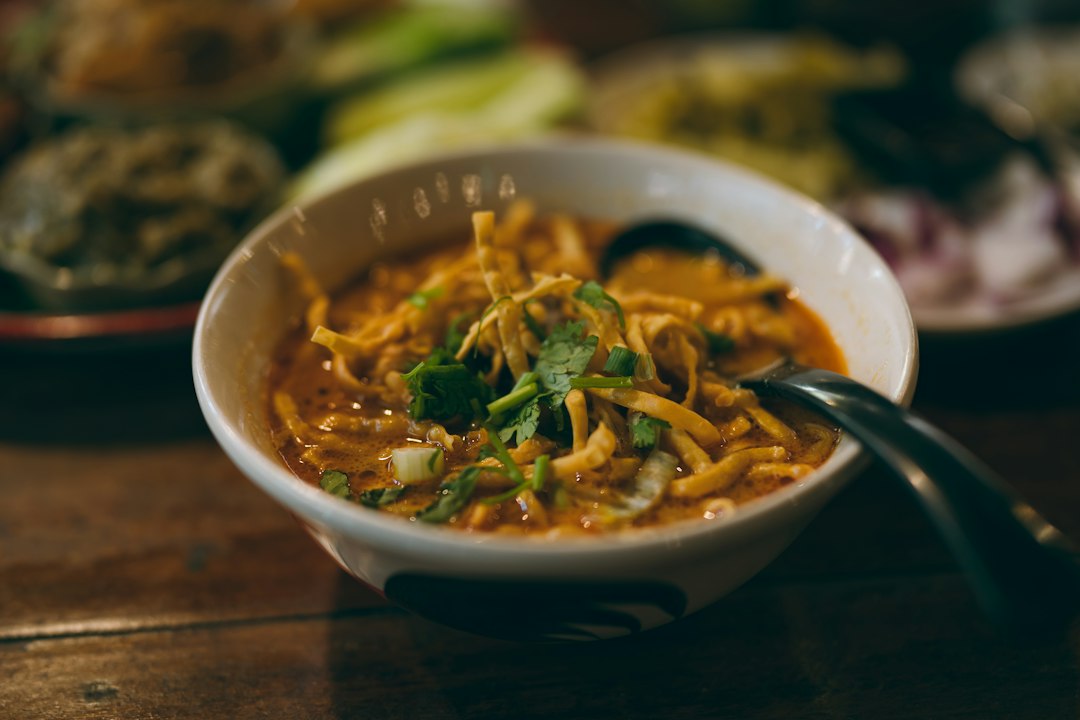
Khao Soi
A curry noodle soup with soft and crisp noodles, especially associated with northern Thailand.
Check the noodles, meat and curry paste; it is not automatically vegetarian.
Pad Thai
Stir-fried rice noodles with a sweet-and-sour tamarind flavour.
Egg, prawns, fish sauce and peanuts may be included.
Tom Yum Goong
A hot-and-sour soup with prawns.
Ask about the spice level and other ingredients in the broth.
Som Tam
A seasoned green-papaya salad with several regional versions.
Fish sauce, dried prawns and peanuts may be used, depending on the recipe.
Mango Sticky Rice
Mango with sweet sticky rice and coconut sauce.
Check portion size and toppings; do not assume the dish is free of a particular allergen.
Khao Soi offers a different flavour and texture from Pad Thai.
A good starting point for two: Choose a soup or noodle dish and a second dish prepared in a different way. Ask whether the portions are intended for sharing. If you plan to take a cooking class later, note two dishes you especially enjoyed to help choose the menu.
Mild does not mean allergen-free: Asking for less chilli does not exclude fish sauce, prawn paste or nuts. For a severe allergy, the kitchen must consider both ingredients and cross-contact. A translated allergy card should name the food concerned and the precautions needed, rather than only describing a general dietary preference.
Discover Bangkok through its food
A rewarding food walk does not need a large number of stops. Choose one neighbourhood and a manageable selection. Confirm the meeting point, walking distance, seating and whether drinks are included. After a long flight, a relaxed dinner may suit you better than an extensive tasting walk.
Tell your guide whether you are keen to try unfamiliar dishes or prefer gentler, more familiar flavours. Clarify whether each stop offers a small tasting or a full meal. This helps keep the experience comfortable and the portions enjoyable.
Be clear about spice and ingredients
Do not order by the photograph alone. Ask about chilli, broth, sauces and garnishes. If you are vegetarian or vegan, explain explicitly whether fish sauce, prawn paste and other animal ingredients must be excluded. For allergies, a written translated list is clearer than a broad verbal request.
Severe allergies require an individual safety plan. A kitchen may be able to leave out an ingredient without being able to prevent cross-contact. Discuss this with the appropriate healthcare professionals before travelling and tell our team about essential requirements early. A travel company cannot guarantee medical safety.
A cooking class or a restaurant evening?
A cooking class suits travellers who want time to learn about ingredients and preparation. Check whether shopping, transport and a shared meal are included, and whether the menu can be adjusted. A restaurant evening is more restful and easier to fit into a busy sightseeing day. For families, choose an activity suited to children’s ages and attention spans.
Enjoy food with sensible hygiene
Choose safe drinks and freshly prepared food. Raw ingredients can carry particular risks; preparation and handling matter more than an attractive setting. Discuss personal medical questions as part of your travel preparation. Source: CDC – food and drink on trips to Thailand.
Make food part of your personal itinerary
Be specific about what interests you: markets, cooking, coffee, vegetarian dishes or a special restaurant evening. Tell us what kind of setting you enjoy as well. We can then shape food experiences around your journey.
Thailand Travel Health: Preparation, Mosquito Protection and Medicines
A stay in Bangkok, a few days on an island and a walking holiday in northern Thailand call for different preparations. Start with your actual itinerary and personal needs. This guide offers practical planning advice and does not replace individual travel health advice or treatment.
Seek advice before travelling
Take your vaccination record, medication list and planned destinations to a travel health appointment. CDC guidance recommends reviewing vaccinations and any medicines you may need before departure. The right precautions depend on your health, route and activities. Source: CDC Thailand travel health guidance.
Make mosquito protection part of your routine
Mosquito protection matters beyond jungle excursions. Pack suitable clothing and insect repellent, and follow the product instructions. Official health guidance covers risks including dengue. Ask your clinician whether your itinerary needs additional precautions; risks are not identical everywhere in the country. CDC: travel-related health risks.
Heat, air quality and a comfortable pace
Give yourself time to recover after an overnight flight before demanding outdoor activities. Shaded breaks and a realistic schedule are more useful than a packed sightseeing list. If you have a respiratory condition, discuss seasonal air quality and possible alternatives before travelling. Current health and environmental guidance is available from the German Federal Foreign Office.
Food, drinking water and water activities
Choose safe drinking water and hygienically prepared food. When swimming or taking a boat trip, follow local warnings and reputable operators’ advice; a booking is no reason to ignore poor conditions. Check suitability and insurance cover for particular activities in advance. Medical decisions belong with qualified professionals.
Three travel settings and what to prepare
Your trip
Check beforehand
Build into your day
Busy sightseeing days in Bangkok
Your stamina, regular medication needs and time to recover after the flight.
Early visits, drinking-water and shade breaks, with space between long outdoor tours.
A hike in northern Thailand
The route, access to assistance and current air quality if your breathing is sensitive.
Agree on a shorter or alternative route; ask what ‘easy’ means in walking time and elevation.
An island stay with boating or snorkelling
Safety equipment, access to medical care and cover for the activity.
Follow warning flags and local guidance. If an outing is cancelled, avoid pressuring the operator into an improvised alternative.
Before a boat trip, check safety arrangements, personal health needs and how the return journey will work.
Carry a medication list, not loose unidentified tablets: Record active ingredients, the quantities you need and storage instructions. Ask your clinician about managing medicines on long travel days. A prescription from home is not automatically an import permit; check any special requirements with the relevant authorities.
Save these details on your phone: Your insurer’s emergency assistance number, hotel contact, travel support details and relevant medical documents. If you have an existing condition, confirm cover for activities and any transfer from an island. Our team can help organise assistance; treatment decisions remain with medical professionals.
Health sources reviewed on 27 October 2026. Discuss personal vaccination and medication questions with a travel health professional.
Keep medicines organised
Prepare an active-ingredient list, keep regular medicines clearly labelled and check import rules for restricted products. A prescription from your home country may not replace the required import paperwork. Ask about storage in heat and during long transfers, and avoid taking overlapping medicines without advice.
Keep an offline emergency folder with insurance details, medical contacts and essential health information. Make sure your companion knows how to arrange help. Preparation should be tailored particularly carefully for children and travellers with ongoing health conditions.
Help and insurance
Check which treatment costs, transfers and activities your policy covers. Know how to reach the assistance team and what information it needs. If symptoms are acute or getting worse, seek medical help before continuing the programme. We can support the arrangements but cannot diagnose illness or assess treatment.
Flights to Thailand: Bangkok Connections and Island Transfers
Several practical steps often separate landing in Thailand from your first relaxed holiday day. A well-chosen connection considers immigration, hotel check-in and any onward travel. The ticket price alone tells you little about how comfortable the arrival will be.
Plan the route first
Decide whether to begin in Bangkok, northern Thailand or a coastal region. Then compare suitable airports and the connections actually offered on your dates. Schedules and fares change, so confirm current details with the operating airline. Wider destination-planning information is available from the Tourism Authority of Thailand.
Not all connections work the same way
In Bangkok, pay attention to the airport, not just the city name. Changing airports means another road journey, not a short walk to the next gate. Check whether you need to collect and check in bags again, and whether all flights are on one booking or separate tickets.
A cheap same-day connection can become expensive or stressful if a flight is delayed. Allow for immigration, baggage, transport and check-in as well as the scheduled gap between flights. With separate tickets, an extra night may be the more reliable option. The right connection time depends on the actual arrangements.
One ticket or two? Bags checked to the final destination? Immigration and another check-in required? Using the same airport does not answer these questions.
Arriving at BKK and departing from DMK, or the reverse
Allow for transport between airports, immigration, baggage collection and another check-in. For tight connections on separate tickets, compare an overnight stay.
A flight followed by a ferry
Confirm the last departure, travel to the pier, baggage arrangements and what happens after a flight delay.
Use this as a planning check. The operating airline and your fare determine the actual connection arrangements.
Before a connection, check both airport codes and how your baggage will travel. Illustrative photograph, not a specific Thai airport.
Compare the full cost: Add the ticket, checked baggage, preferred seats, airport transfers, any hotel night needed and the arrangements after a missed connection. Two low-cost separate flights can create a more complicated journey than one through-booking.
For an island extension: A longer stay at an easily reached base is often more relaxing than several short island stays. Ask when you will leave one hotel and reach the next, rather than only how long the ferry takes. That reveals the true length of the transfer day.
From the airport to your island hotel
An island stay may involve a road journey and boat crossing after your flight. Check the whole connection to the hotel. A late landing may miss the last confirmed boat. Weather-dependent transfers need a plan for delays. A straightforward arrival is usually more enjoyable than a chain of tight connections.
Baggage and fare conditions
Check baggage allowances, dimensions, change conditions and included services for every stage. Rules can differ between an international flight, domestic flight and boat transfer. Get explicit confirmation for pushchairs, sports equipment or mobility aids. Record the operating airline, not only the booking website.
Allow for entry and transit requirements
Entry documents and the digital arrival card need to match your actual connection. If you leave the transit area during a stopover, do not assume you are only transiting. When combining neighbouring countries, check each entry separately. The official TDAC guide explains the digital arrival card and how it differs from a visa.
Details your travel team needs
Share flight numbers, dates, local times, arrival airports and all segments you booked yourself. Say whether early check-in or late check-out matters to you. Finally, review the full journey from departure to your accommodation. This helps avoid unnecessary transfers or lost holiday time.
Practical Thailand Travel Tips: Money, Temples and Staying Connected
A personal journey through Thailand involves many small choices: what to wear for temples and beaches, how to stay connected and which activities suit you. A little practical preparation leaves more time to enjoy the experiences themselves.
Payments and your personal budget
Plan for a reasonable cash reserve as well as card payments. Check fees and overseas access with your bank. Divide personal spending into meals, drinks, independent activities and other expenses. Your travel documents should clearly show what is already included.
Keep receipts and check amounts before confirming payments. Store cards and documents separately, and have an alternative if one card does not work. Current advice on payments and safety is available from the German Federal Foreign Office.
Four everyday questions worth settling early
Situation
A practical approach
Taxi or tuk-tuk
Show the destination address and agree how the fare is calculated before setting off. In Bangkok, ask about the meter or use a booking app with a clear fare.
Temples and the beach on the same day
Pack clothing that covers shoulders and knees, and follow the site’s rules on shoes and photography.
Hiring a vehicle
Do not leave your original passport as a deposit. Check the rental terms, required driving licence and insurance first.
Help while travelling
Save hotel and travel-team contacts offline. Thailand’s Tourist Police can be reached on 1155.
Plan temple visits with suitable clothing, a respectful pace and attention to local guidance.
An important packing check: Do not treat e-cigarettes or vaping devices as ordinary travel items. Official Thailand travel advice describes restrictions on import and possession. A product being sold locally, or another traveller’s experience, does not establish that it is legal. Check current legal guidance.
Divide your spending into three groups: Separate planned personal expenses, optional extras and a small reserve. Mark the meals and entrance fees already included in your itinerary. Before accepting an extra activity, confirm the total price for your group, its duration and the return arrangements.
Useful information to keep offline: Save the hotel name in local script, a map, a meeting-point photograph and two reachable contacts. A long chat history is less useful than an address you can find quickly. Agree how changes to collection times or the day’s programme will be confirmed.
Visit temples respectfully
Follow the dress code and guidance at each temple. A light extra layer is useful on a day combining sightseeing and the beach. Ask before photographing people. Your guide can explain areas that are closed to visitors and moments when quiet consideration is appropriate.
Choose animal experiences thoughtfully
Ask what actually happens during an animal experience. Labels such as ‘gentle’ or ‘ethical’ need a clear explanation. Check whether direct contact, performances or riding are included, and whether you can decline them. Watching animals from a respectful distance may better match the kind of journey you want.
Internet access and useful documents
Compare SIMs, eSIMs and roaming against your phone and data needs. Save hotel addresses, collection times and important numbers offline. Confirm how to reach your travel team. Keep a paper or offline alternative in case you arrive with a flat battery.
Fewer hotel changes, more time to enjoy
A day excursion and a complete hotel move involve different amounts of organisation. Across islands and regions, packing, checking out and transfers add up. For each extra stop, ask what experience it adds. Longer stays often suit families and travellers seeking relaxation better than a new hotel every day.
Use current guidance rather than old travel accounts
Entry rules, local laws and advice for border regions can change. Check medicines and permitted items before packing. For journeys combined with Cambodia, the current border situation matters. Consult official travel and safety advice rather than relying on an older trip report.
Agree the details before setting off
Discuss dietary needs, mobility, preferred free time and excursion lengths. Record the services agreed and how changes will be confirmed. A good plan gives you space for your interests while making clear who will accompany you and when.
YOUR CHOICE
Your privacy matters
Essential cookies keep this website working. With your permission, we also use analytics and marketing services to understand visits and measure advertising. You can choose these separately in settings and change your choices at any time.