Cambodia’s culture brings together Buddhist traditions, Khmer heritage and influences from its neighbours and colonial history. A journey through the country can include classical dance, traditional crafts, lively markets and dishes such as fish amok. Beyond Angkor, its cities and countryside offer different perspectives on everyday life and the country’s past.
These places offer a starting point for exploring Cambodia beyond the Angkor temple complex.
Phnom Penh
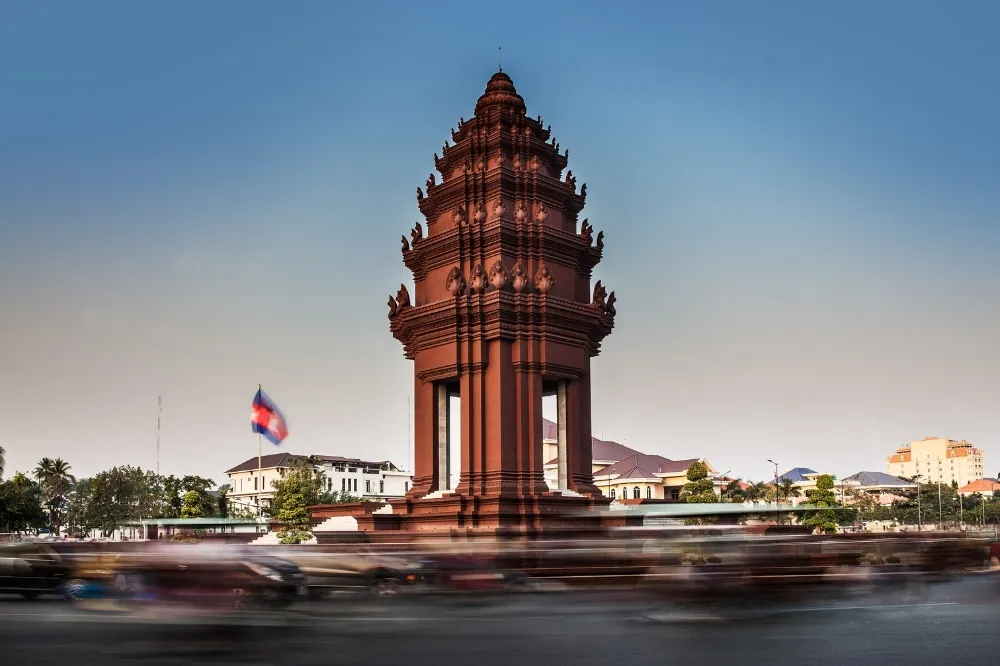
Cambodia’s capital stands where the Tonle Sap, Mekong and Bassac rivers meet. Alongside modern development, visitors will find Khmer royal architecture, colonial-era buildings, markets and busy riverside streets.
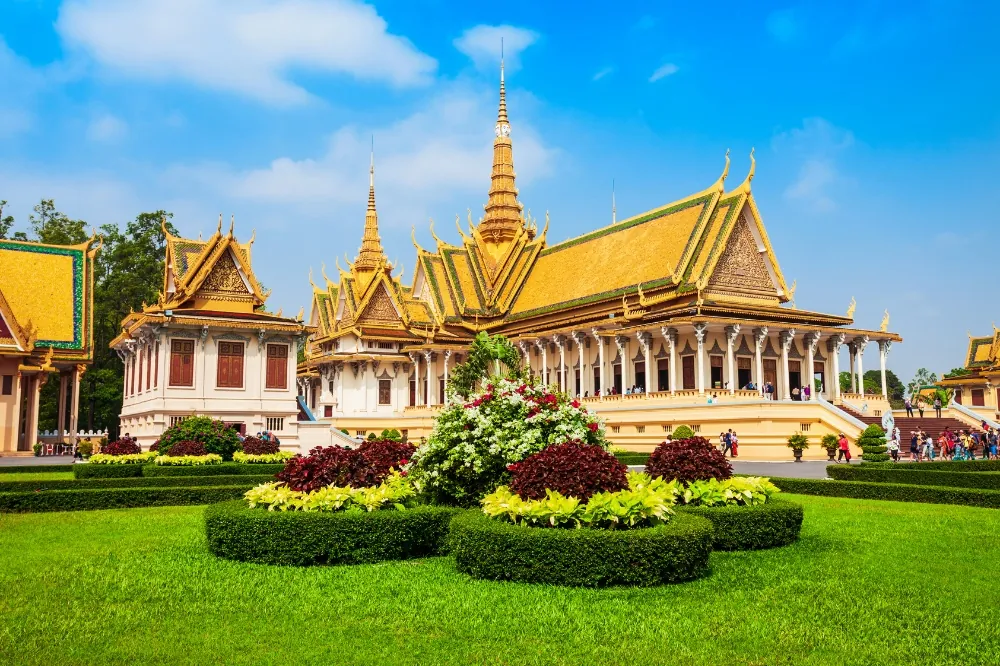
The Royal Palace and Silver Pagoda are among the city’s best-known sights. Their pavilions, courtyards and religious treasures offer an introduction to Cambodia’s royal heritage. Access to individual buildings varies, as the palace remains in use.
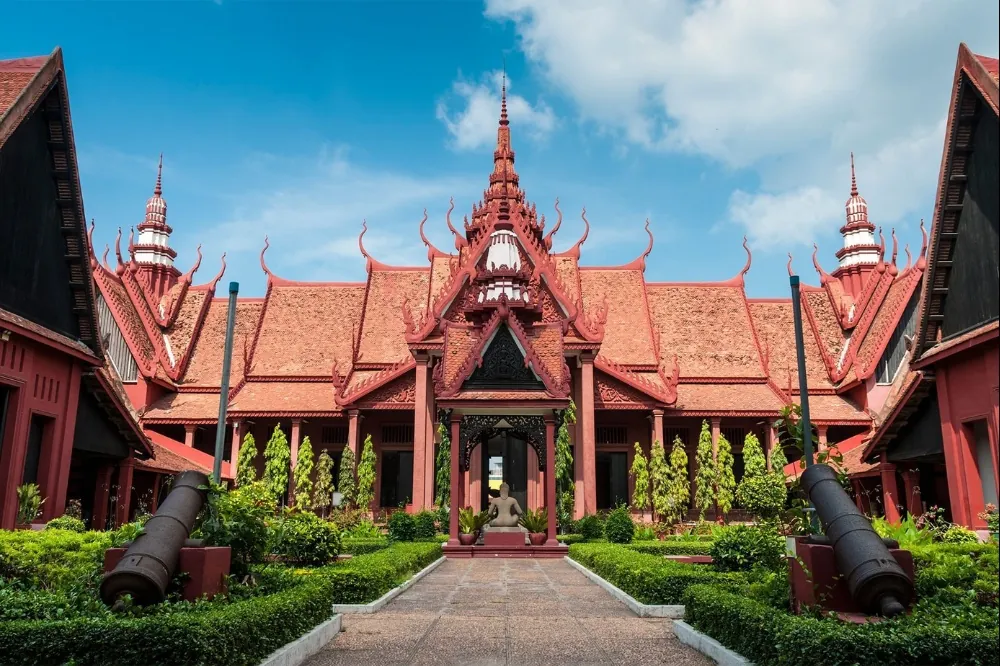
Nearby, the National Museum displays Khmer sculpture, ceramics and other objects from different periods. It is a rewarding place to learn about the artistic traditions behind the temples you may visit elsewhere in the country.
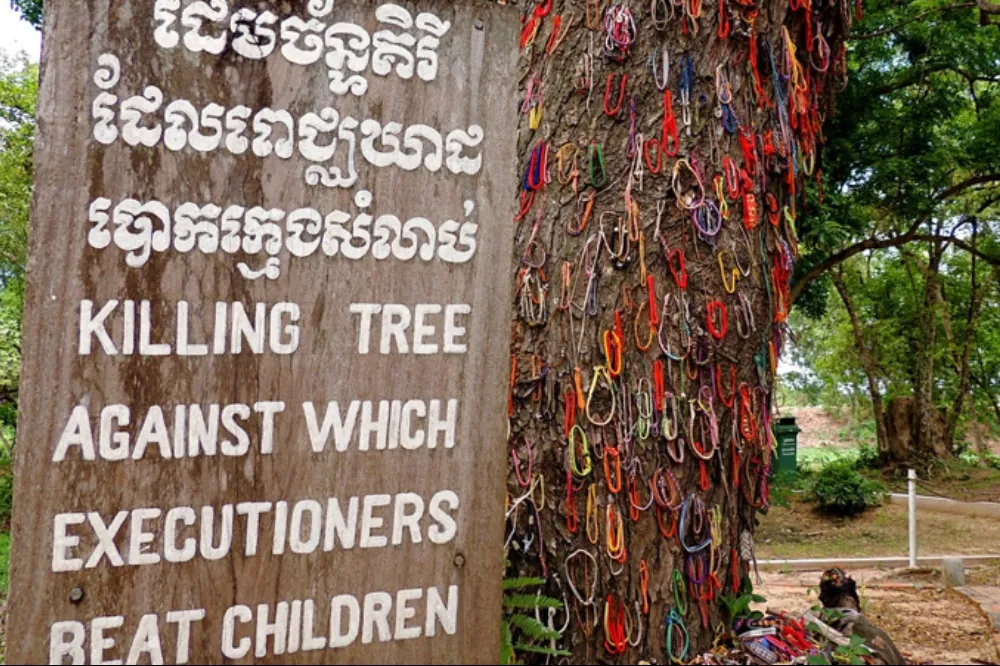
Choeung Ek, outside the city centre, commemorates people killed under the Khmer Rouge in the 1970s. It is a place for quiet reflection, with difficult historical accounts and human remains on display. Allow time to absorb the visit and consider whether it is appropriate for everyone in your group.
Phnom Penh brings together cultural landmarks and the memory of a painful recent history. A thoughtful visit can provide useful context for the rest of your journey.
Sihanoukville
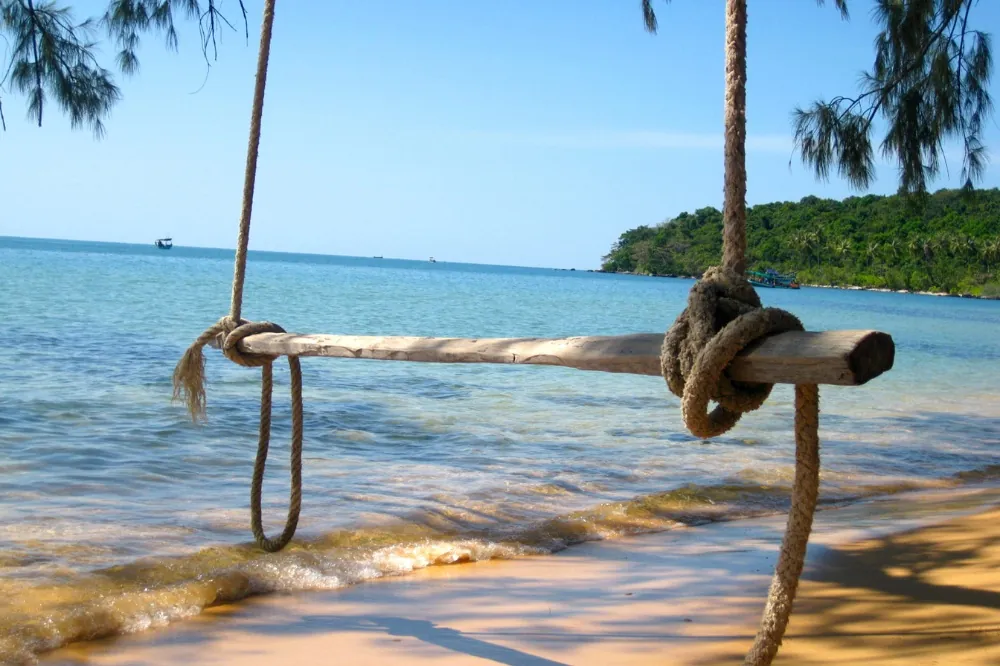
Sihanoukville is a coastal city on the Gulf of Thailand and a departure point for Cambodia’s southern islands. Its waterfront has changed considerably with development, so choose your beach base according to the atmosphere you prefer.
Ochheuteal, Otres and Sokha are among the mainland beaches. Facilities, access and the surrounding development differ; ask for current advice when choosing accommodation rather than assuming every stretch is quiet or suitable for swimming.
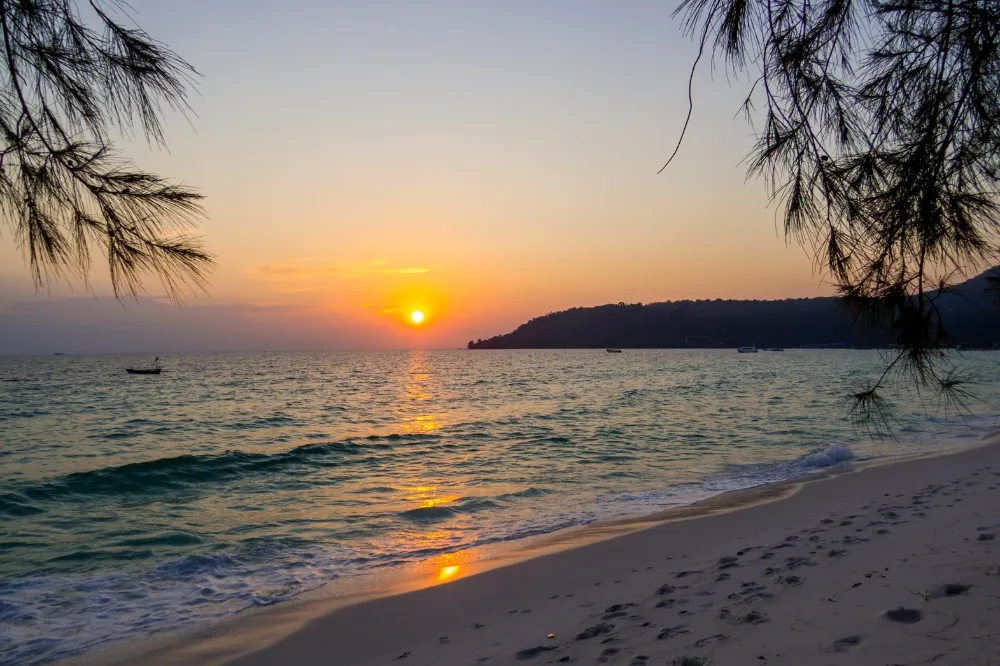
Koh Rong and Koh Rong Sanloem offer beaches, forested interiors and several places to stay. Boat connections depart from the Sihanoukville area. Smaller islands, including Koh Ta Kiev and Koh Russei, offer further options, depending on access and available services.
Snorkelling and diving trips operate around the islands, with conditions varying by season and site. Choose a qualified operator and discuss your experience level before booking.
The coast can work well as a relaxed finish to a Cambodia itinerary. Allow for boat schedules and weather when connecting with an international flight.
Kampot
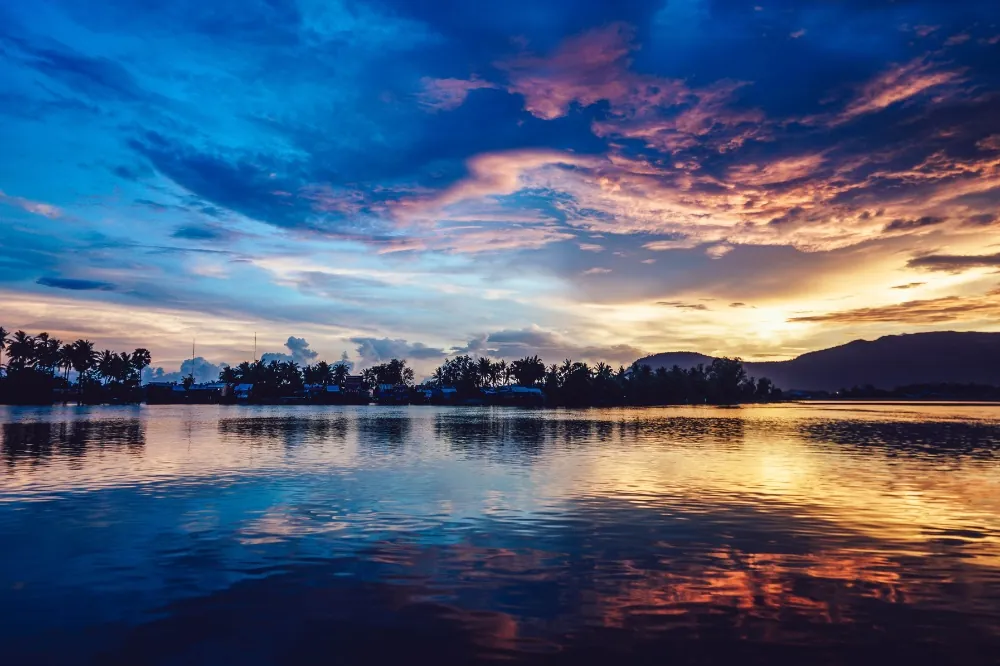
Kampot is a riverside town in southern Cambodia, known for pepper farms and streets lined with older shophouses. It is a good place to slow down between sightseeing days.
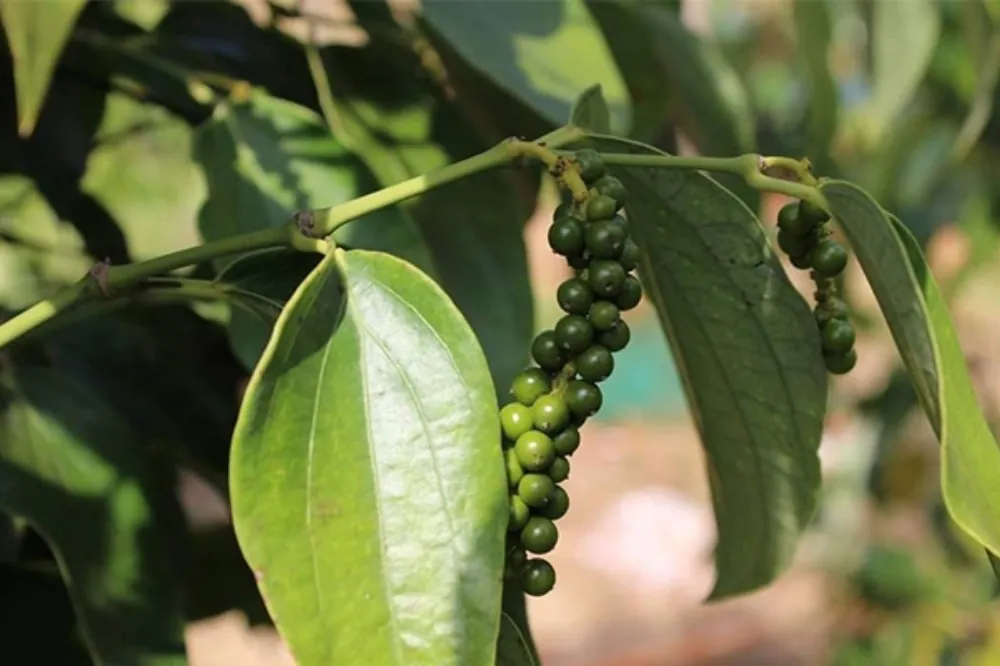
A pepper-farm visit introduces the growing, harvesting and drying process behind Kampot’s best-known product. You can compare varieties and buy pepper directly from producers.
Beyond town, country roads pass rice fields and villages. A guided bicycle ride or a gentle countryside excursion offers a closer look at local life; choose a route suited to the weather and your comfort level.
Kampot can also be a base for visits to Kep and the cave temple at Phnom Chhnork. Leave time for the town itself, including its riverside cafés and markets.
Battambang
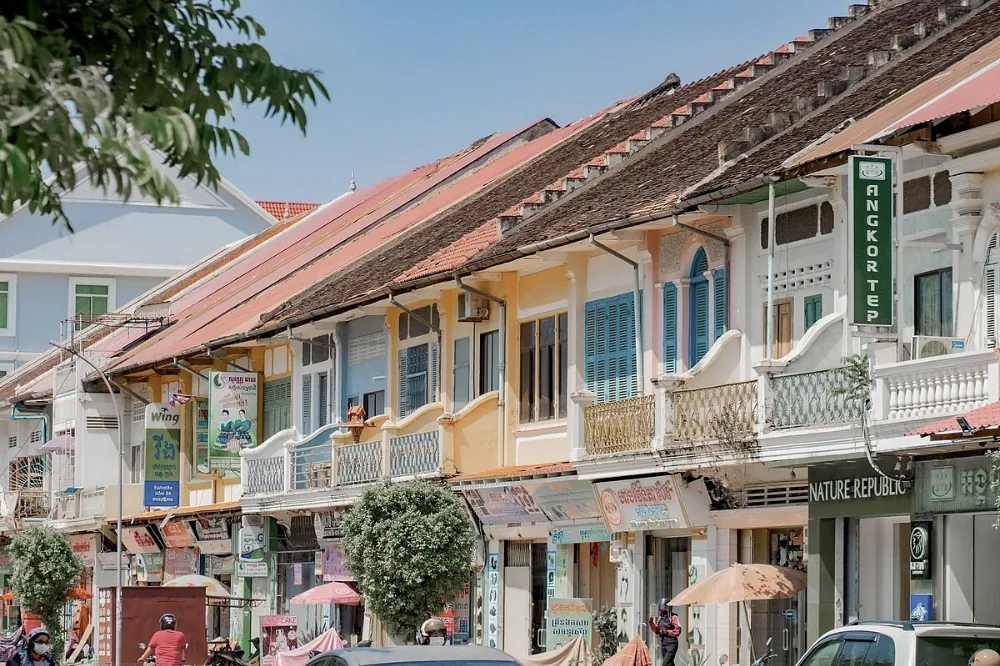
Surrounded by agricultural landscapes, Battambang offers a combination of historic streets, local arts and countryside visits.
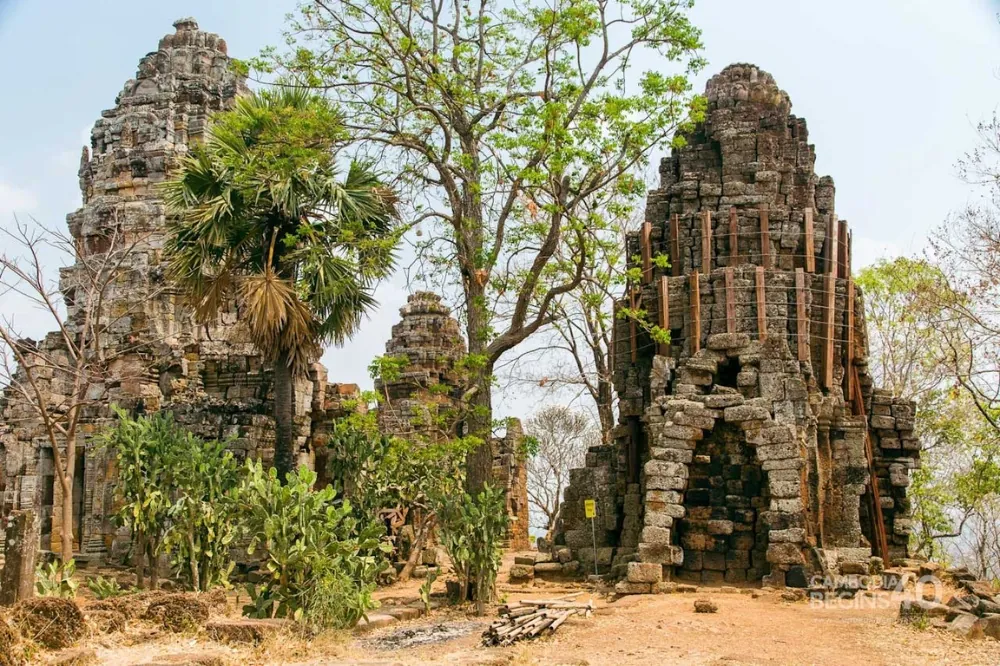
Walk along the Sangker River and through the town centre to see shophouses and buildings from the colonial period. A local guide can help explain how the town has developed and point out details you might otherwise miss.
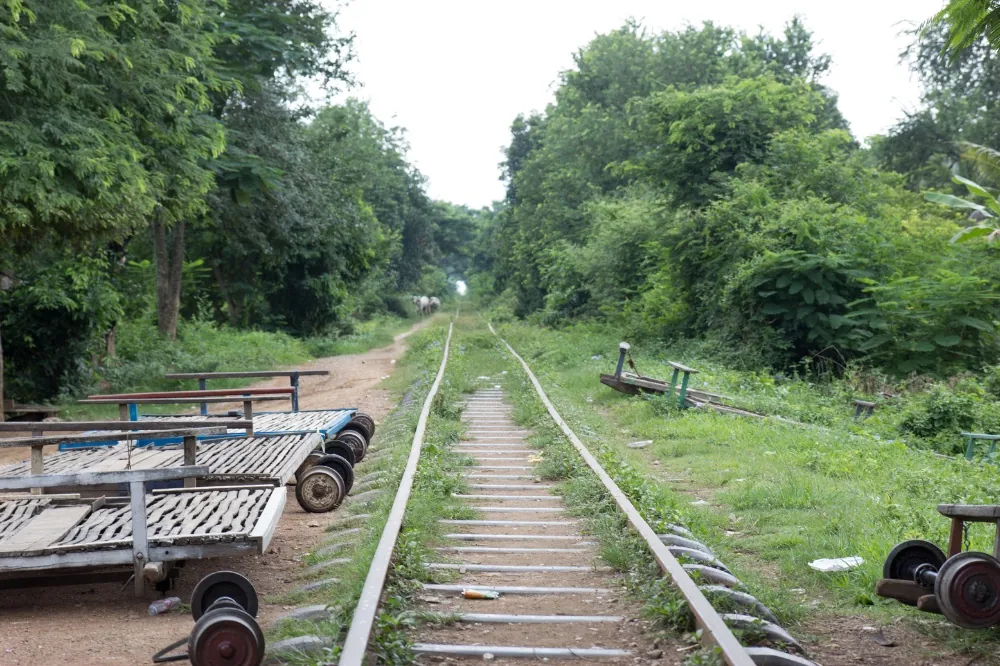
The bamboo train is one of the area’s best-known attractions. The simple rail platforms grew out of a practical local transport system; visitor routes and operating arrangements have changed over time, so confirm the current experience before you go.
Battambang suits travellers who enjoy time in smaller cities and the surrounding countryside. Plan visits with local hosts and leave room for unhurried stops.
Preah Vihear
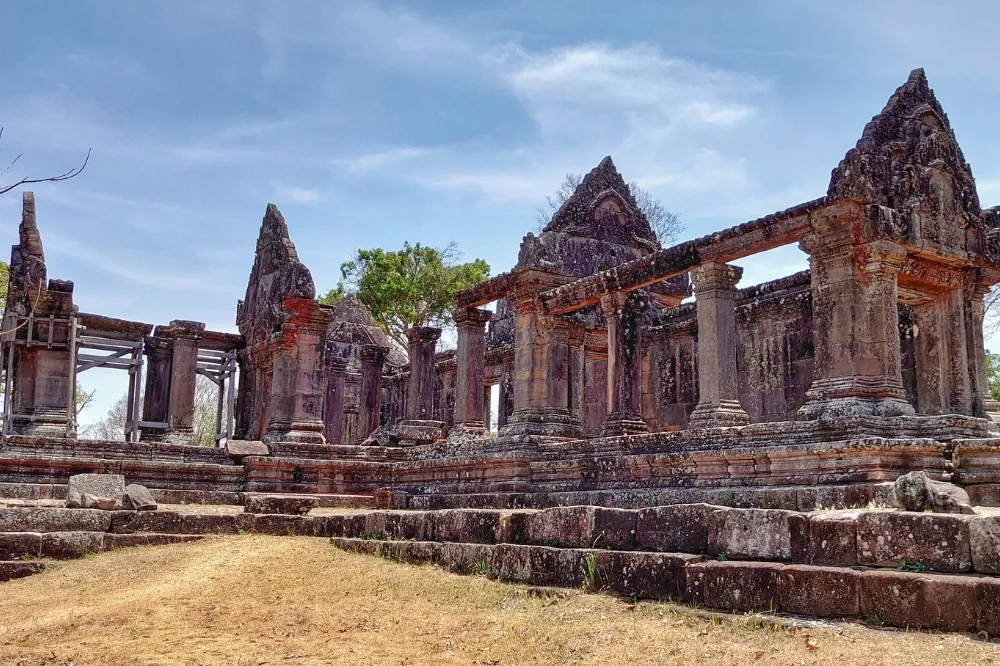
Preah Vihear province contains important Khmer archaeological sites, including Preah Vihear temple, Koh Ker and Preah Khan of Kampong Svay. These are distinct places with different access conditions.
Preah Vihear temple stands on a cliff in the Dangrek Mountains near the Thai border. Dedicated to Shiva, it is an important part of Cambodia’s heritage. It should not currently be treated as a routine sightseeing stop: the border region has travel restrictions and security concerns.
Koh Ker, a tenth-century royal centre, is known for its temple remains and the stepped pyramid of Prasat Thom. Check which areas and structures are open, and follow the marked visitor routes.
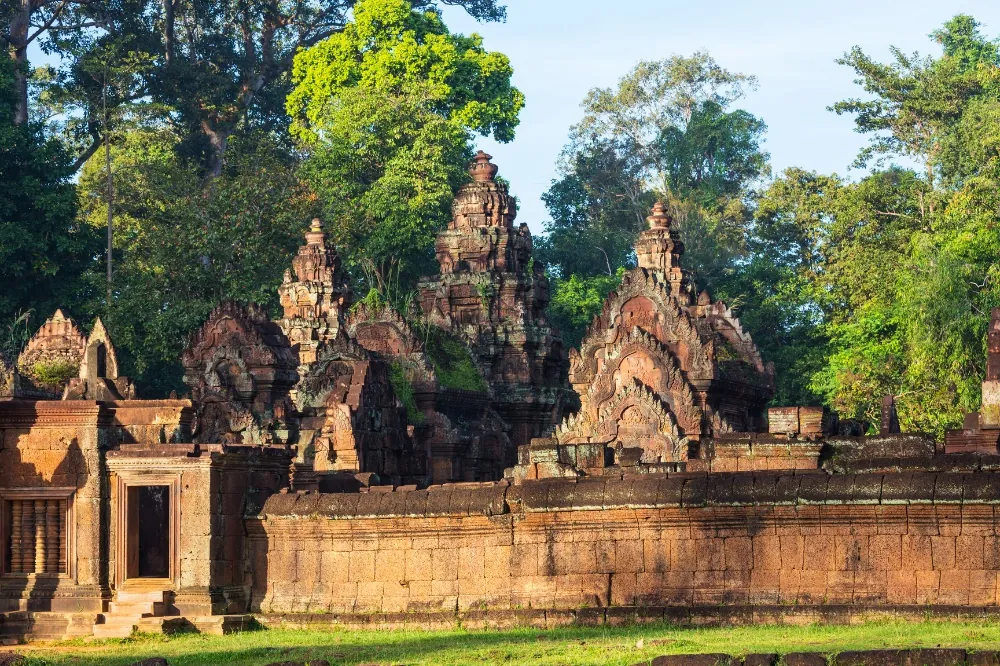
Preah Khan of Kampong Svay is a large, remote temple complex, separate from the similarly named Preah Khan at Angkor. Visiting requires careful planning, suitable transport and current local advice.
Planning note, checked 27 October 2026: official travel advice warns against travel in parts of the Cambodia–Thailand border region. Check the latest advice and site access before considering northern border temples; our team can suggest alternatives.
Planning your Cambodia journey
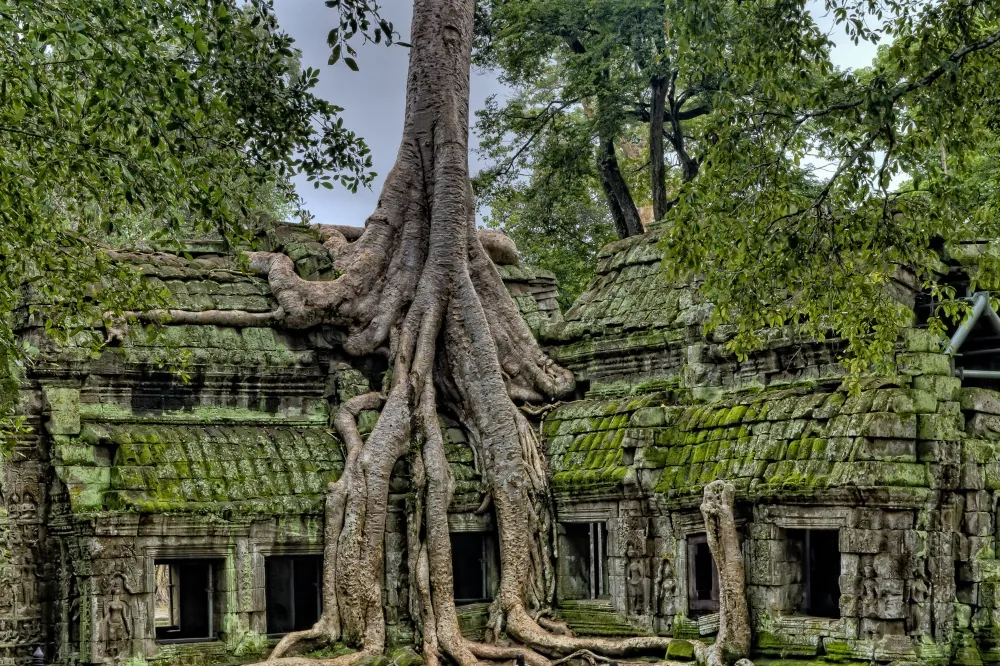
Combine places according to your interests rather than trying to cover every region. Museums, village visits, food experiences and quiet countryside stops can add depth to a route centred on Angkor.
Before travelling, consult current official travel advice for Cambodia and local access guidance.
For a wider introduction to the country, explore Cambodia Discovery: Phnom Penh, Battambang and Angkor - 10 Days, linking Phnom Penh, Battambang and Siem Reap in one journey.