

Whether you are heading to Hanoi, Hoi An or the Mekong Delta, a smooth Vietnam holiday starts with the right travel documents. Entry rules depend on your nationality, passport type, reason for travel, length of stay and each planned entry. Check the rules for your own passport; the German passport examples below do not apply automatically to other travellers.
Visa-free entry or an e-visa?
Some nationalities qualify for visa-free entry. For example, Vietnam’s Consulate General lists stays of up to 45 days for eligible German passport holders, counting both arrival and departure days. The passport must remain valid for at least six months on arrival. Have evidence of your return or onward journey ready, and confirm the conditions for your nationality before booking. Immigration authorities make the final entry decision. Source: Vietnam Consulate General.
For longer stays or journeys that do not qualify for visa-free entry, an e-visa may be suitable. Vietnam offers e-visas valid for up to 90 days, with single-entry and multiple-entry options. Check the category and the dates actually granted on the official portal rather than assuming every application receives the maximum period. Source: official Vietnam e-visa portal.
Three itineraries, three document checks
| Your itinerary | What to check |
|---|---|
| Hanoi–Hoi An–Ho Chi Minh City, 21 days | Check whether your nationality qualifies for visa-free entry and whether its permitted stay covers the whole trip. Otherwise, arrange the appropriate visa before travelling. |
| A stay longer than your visa-free allowance | Arrange a suitable visa before departure. Match its approved start and end dates to your complete stay. |
| Vietnam–Cambodia–Vietnam | Record both entries into Vietnam. If using an e-visa, check the permitted number of entries; prepare Cambodia’s documents separately. |
Count your days carefully: Arriving on 1 March and leaving on 21 March means 21 days in Vietnam, not 20. Use your local entry and departure dates, rather than the date your flight leaves home. Allow some flexibility before your permitted stay ends in case your flight changes.
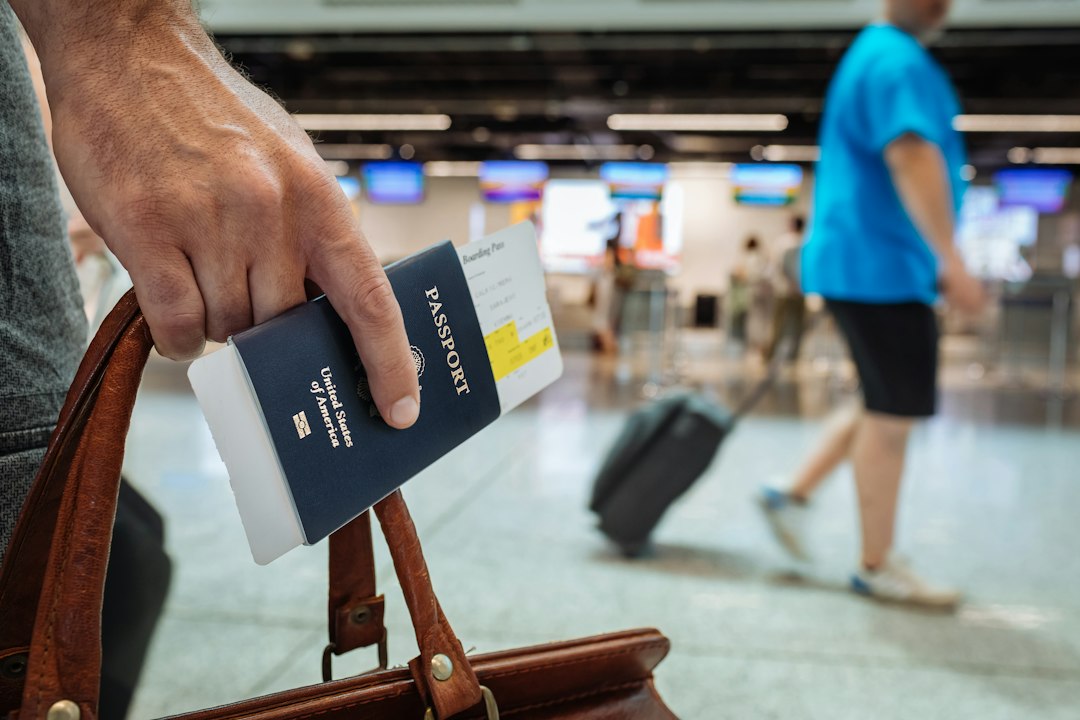
Keep an offline travel folder: Save clearly named copies of your passport, approved visa if required, return or onward flight, and first hotel address. Keep your application reference separately too. A passport copy does not replace the original. Share full passport details only through the confirmed secure channel intended for that purpose.
Prepare your application
Gather your passport details page, travel dates, first accommodation and planned entry and departure points. Open the official e-visa portal through a government link and check the web address carefully. A search advert or an official-looking name does not prove that a website belongs to the authorities.
Enter your name and passport number exactly as instructed. Before paying, compare every field with your passport, not just your flight booking. Save the application reference, payment receipt and, once issued, your approval. A submitted application or payment receipt is not a visa. Apply with time to spare in case further information is requested.
Combining Vietnam with Cambodia or Laos
List your journey as a series of border crossings. Vietnam–Cambodia–Vietnam involves two separate entries into Vietnam, each of which needs the appropriate permission. Check whether visa-free entry applies again or whether your visa allows another entry. Vietnam’s documents do not replace the documents required by Cambodia or Laos.
If your route changes, review the entry point, validity dates and permitted number of entries as well as hotels and transport. Before booking a land crossing, confirm that it is open and accepts your visa type. Our team can help organise the route; the relevant authorities provide binding entry information.
Check any additional pre-arrival registration
Vietnam’s official e-visa website also links to an electronic pre-arrival declaration. Check the current instructions for your arrival point before flying. This registration is separate from your visa or eligibility for visa-free entry. Use the official pre-arrival portal and follow its current instructions; do not assume that the same procedure applies at every border crossing.
Before you fly
- Check passport validity and the spelling of every traveller’s name.
- Count both arrival and departure days in your stay.
- Keep approved documents and your onward travel booking available offline.
- Check the requirements separately for children and each person travelling.
- Review every entry whenever your route changes.
Frequently asked questions about entering Vietnam
Do I need a visa for a 14- or 21-day holiday?
It depends on your nationality and passport. A short holiday is not automatically visa-free for everyone. Check your eligibility and the permitted stay before travelling; for eligible German passport holders, the published visa-free allowance is up to 45 days. Source: Vietnam Consulate General.
How much passport validity do I need?
Check the requirement for your nationality, passport type and entry category. The published visa-free conditions for German passport holders require at least six months’ validity on arrival. Do not assume the same rule covers every special travel document or visa category. Source: Vietnam Consulate General in Frankfurt.
When should I apply for an e-visa?
Consider an e-visa if your nationality is not visa-exempt or your trip exceeds the allowance that applies to you. E-visas can be issued for up to 90 days, for one or multiple entries. Apply through the official Vietnam e-visa portal and check the dates and number of entries actually approved.
What if I return to Vietnam after visiting Cambodia or Laos?
Treat the return as a new entry and check your eligibility again. If travelling on an e-visa, its validity and permitted number of entries must cover your return. If relying on visa-free entry, confirm the current conditions for your passport. Neighbouring countries have separate entry rules. Source: Vietnam Consulate General — visa and entry guidance.
Reviewed on 27 October 2026. Recheck official information shortly before departure; Vietnamese immigration authorities decide whether entry is granted.
This guide provides general orientation. It does not replace legally authoritative information from the relevant authorities or individual medical advice. Rules and recommendations may change at short notice.
Turn your ideas into a personal journey
Discuss your route, pace and preferences with our team to create a journey that suits you.
Plan your trip for freeExplore tour ideas →