
There is no single best month to visit Vietnam. A journey through Hanoi, Hoi An and the Mekong Delta crosses different climate zones. Rather than looking for the perfect date for the entire country, ask yourself which experiences matter most and where you would like to spend most of your time.
Three regions, different seasons
In the north, winter days can be cool and misty, while summers are often hot and humid. Spring and autumn are popular choices for Hanoi and the mountain regions. Central Vietnam has a different rainfall pattern: Hue and Hoi An can experience particularly heavy rain in autumn. The south stays warm, with conditions often drier from around December to April. These are climate patterns, not weather guarantees. Source: Vietnam Tourism.
When to visit each region
| Destination | General guide | Planning considerations |
|---|---|---|
| Hanoi and Halong Bay | April–June and September–November | Summer rain and storms can affect boat trips. |
| Sapa and the mountain regions | Spring and autumn | Winter can be cold and misty; check visibility and trail conditions. |
| Hue and Hoi An | Especially spring through summer | Autumn rain; wet conditions can last longer in Hue than in Hoi An. |
| Ho Chi Minh City and the Mekong Delta | December–April is often drier | Warm year-round; take the rainy season into account when planning excursions. |
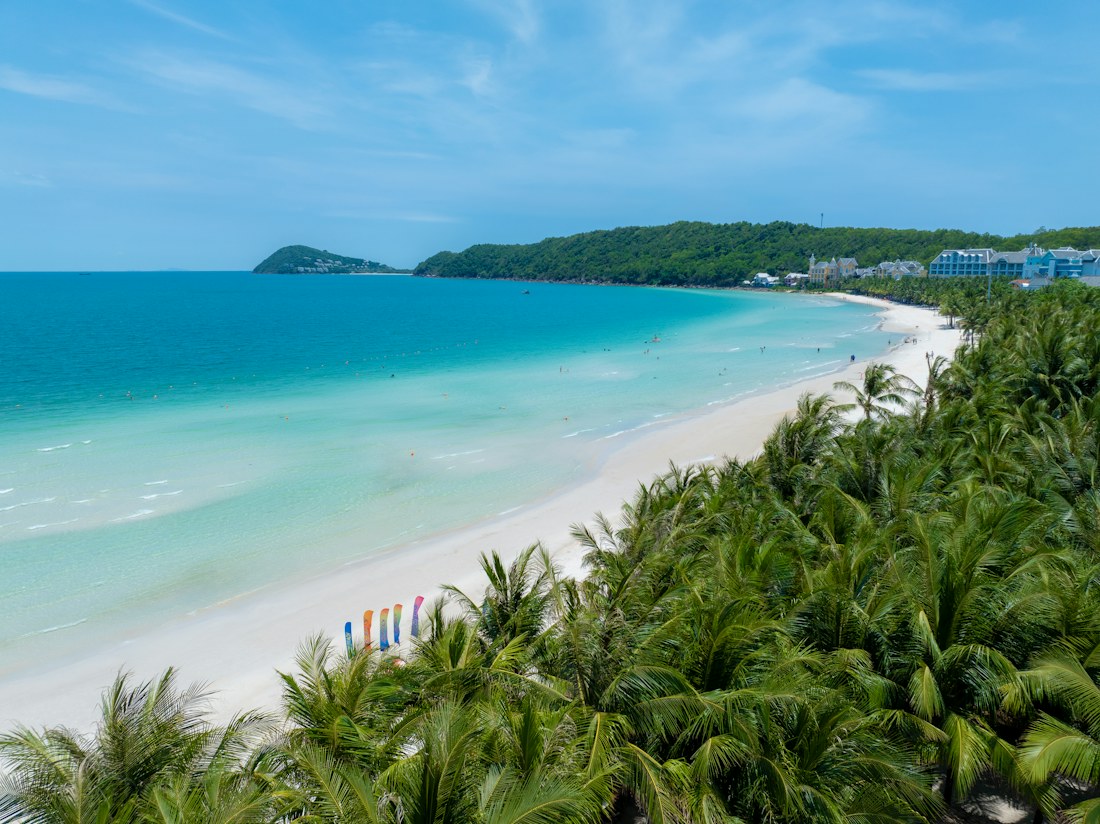
| Phu Quoc | Especially December and January | Stormy summer months may restrict beach and boat plans. |
Which route suits your holiday month?
| Your travel window | Our planning suggestion | Important trade-off |
|---|---|---|
| January or February | Combine cities and culture with an emphasis on the south; consider Phu Quoc for a beach stay. | Pack warm layers for Hanoi and the mountains. Northern Vietnam is not necessarily a warm winter destination. |
| July or August | If your summer holiday dates are fixed, compare options centred on Hoi An and the central coast. | Plan rainy-day alternatives in the north; check conditions before adding Phu Quoc as a beach extension. |
| October or November | Prioritise northern Vietnam and, if appropriate, the south. | Plan Hue and Hoi An particularly carefully because of their autumn rainy season. |
For a two-week trip: Choose two main regions with a short additional stop rather than spending only one night in every part of the country. Identify one essential experience and one activity you could replace. For example, if a Halong Bay cruise is your priority, allow flexibility in the surrounding days. If the beach matters most, choose the right coastline first, then plan the remaining stops.
What a “rainy-day alternative” means: A cooking class instead of a bicycle ride may make sense. However, a serious severe-weather warning may require moving to another region or omitting that stage entirely. An indoor activity does not make an unsafe transfer safe.
A planning framework for the year
December to February: Pack for different conditions in the north and south. If warmth is your priority, focus further south. March to May: Consider a balanced itinerary, with breaks during the hottest parts of the day. June to August: Plan weather-flexible activities and assess beach destinations individually. September to November: Pay particular attention to mountain days and stays on the central coast. When storm warnings are issued, local safety advice takes priority over any itinerary.
Mountains, a cruise or the beach?
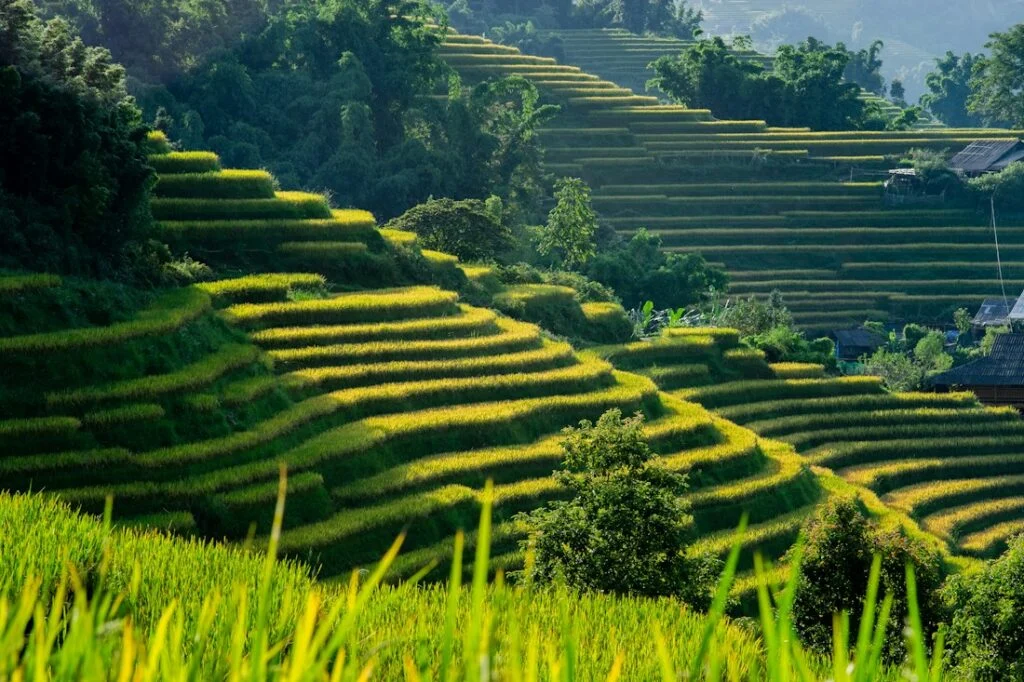
For hiking in Sapa or Ha Giang, visibility, trail conditions and altitude matter more than Hanoi’s average temperature. Tell us whether you prefer short walks or more demanding hikes. Rice-field colours also depend on the local growing cycle; a particular photographic scene should not be treated as a guaranteed outcome of your trip.
For a Halong Bay cruise, permission from the authorities is essential. Avoid placing the cruise immediately before a separately booked long-haul flight without any buffer. For beach days, distinguish between the central coast and Phu Quoc: the same holiday month can bring very different conditions in these two places. Discuss your travel dates before choosing your preferred beach hotel.
Is it worth travelling in the wetter season?
A rainier season does not mean every day will be a washout, but it does call for alternatives. Combine outdoor activities with museums, cooking classes or other less weather-dependent experiences. Leave room to move individual excursions. In regions at risk of flooding or landslides, changing plans is a safety decision, not simply a matter of comfort. Current natural-hazard and safety advice.
How to choose your travel dates
Rank your priorities: scenery, beaches, culture, food or hiking. Then mark the places you do not want to miss. If school holiday dates are fixed, we can adapt the regions to your dates. If your holiday is flexible, you can choose dates that suit your preferred route. Fewer changes of location are often more enjoyable than trying to cover the entire country regardless of the weather.
Packing and a final weather check
Several light layers, rain protection and a waterproof cover for documents are useful. For mountain days, choose footwear suited to the planned terrain. Check local forecasts shortly before each stage, rather than relying only on a country-wide overview weeks before departure. This seasonal guide provides orientation; short-term warnings and local assessments determine the actual day’s programme.
Turn your ideas into a personal journey
Discuss your route, pace and preferences with our team to create a journey that suits you.
Plan your trip for freeExplore tour ideas →