
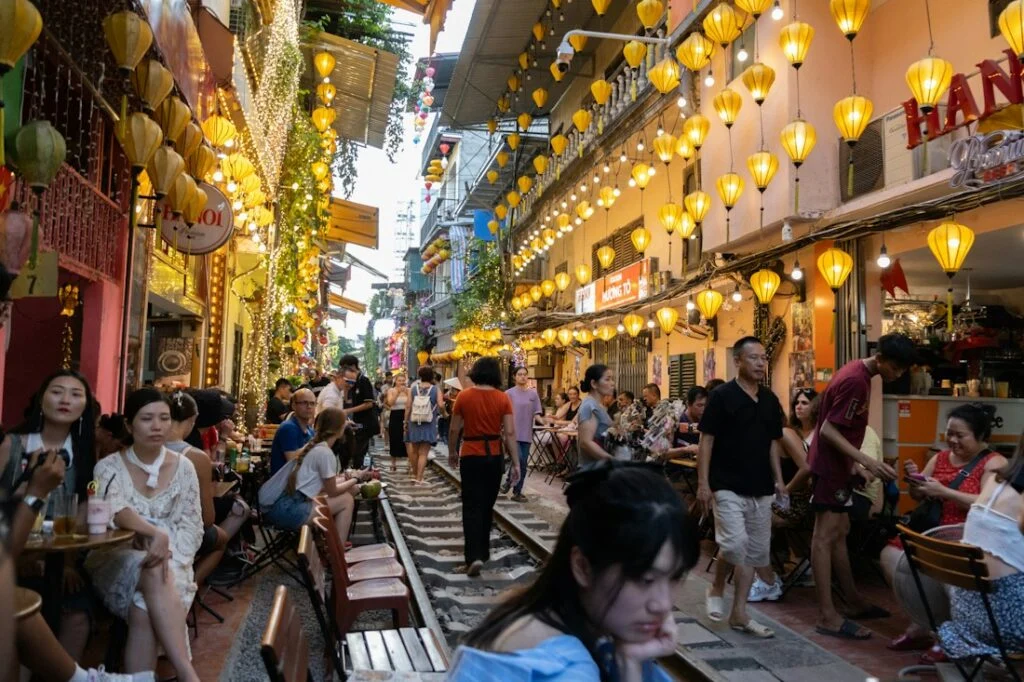
Food is a wonderful way to get to know Vietnam. As you travel, take time to discover regional differences rather than simply ticking off famous dishes. A local breakfast, a market visit and a shared meal can reveal different sides of the same place. Give them room in your itinerary alongside temples and landscapes.
Let local dishes guide your journey
Phở pairs rice noodles with aromatic broth, while Bún Chả is especially associated with Hanoi. In Hue, try Bún Bò Huế; in Hoi An, look for Cao Lầu. Bánh Mì, Bánh Xèo and fresh rolls add further variety. Recipes and accompaniments differ between kitchens, so ask what is on the table rather than assuming a dish’s name tells you every ingredient. Source: Vietnam Tourism – dishes and regional food.
Six dishes to start with
| Dish | What to expect | A useful detail to check |
|---|---|---|
| Phở | Rice noodle soup, often served with beef or chicken. | Ask about the broth and meat, then add herbs and seasoning gradually. |
| Bún Chả, Hanoi | Grilled pork, rice noodles, herbs and a dipping sauce. | Several bowls make up one dish; the dip may contain fish sauce. |
| Bún Bò Huế | A richly flavoured noodle soup from Hue. | Check the meat ingredients and level of spice before ordering. |
| Cao Lầu, Hoi An | Noodles with pork, greens and crisp toppings. | A regional speciality to compare with Vietnam’s noodle soups. |
| Bánh Xèo | A crisp rice-flour pancake, often filled with pork and prawns. | Check the filling and dipping sauce separately for allergens. |
| Gỏi Cuốn | Fresh rice-paper rolls, often with herbs and prawns or meat. | Fillings and sauces vary; ‘fresh’ does not automatically mean vegetarian. |
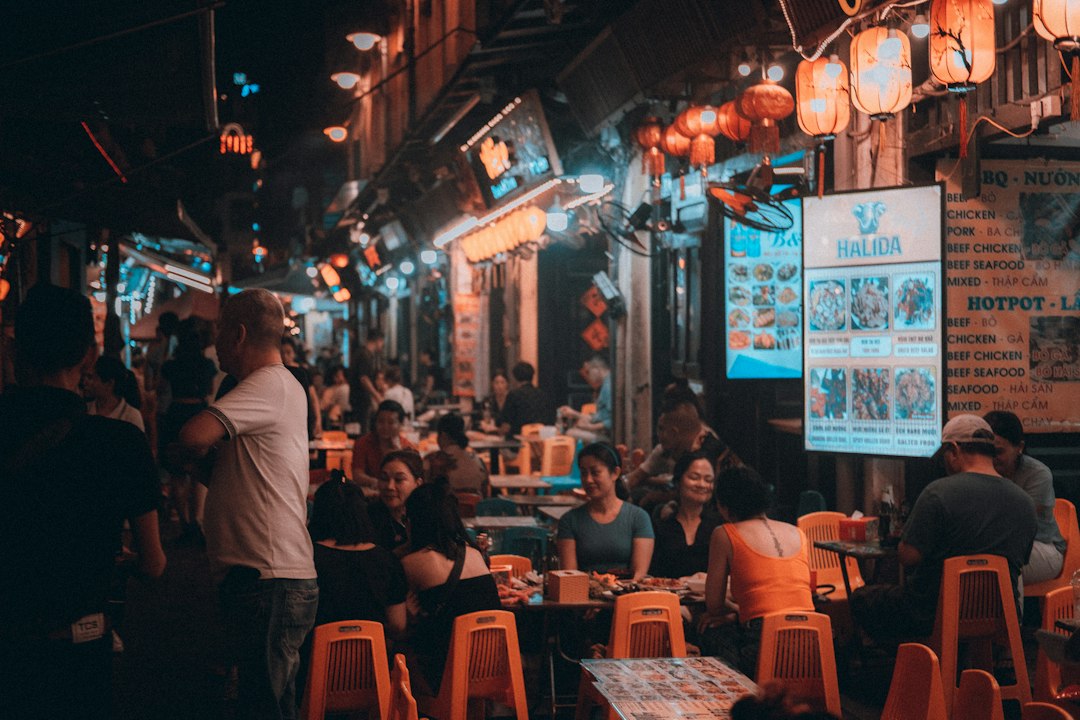
Ordering at a comfortable pace: Start with one main dish per person, or two smaller dishes specifically ordered to share. Ask for chilli and extra dipping sauces on the side. Taste the dish before adding more seasoning. If you have an allergy, the kitchen needs to check the full recipe; serving a sauce separately does not reliably remove the risk.
Know what is included: For a food tour, ask about dishes, drinks and the number of stops. For a cooking class, also check transfers, a market visit, menu adjustments and recipes to take home. This helps you compare the experiences themselves as well as the total price.
Enjoy street food without rushing
A guided food walk with a few carefully chosen stops is a good introduction. Ask about duration, walking distance, portion sizes and seating. After a long flight, a shorter evening outing may be more enjoyable than the fullest programme. An early, manageable start leaves time to taste, talk and ask questions.
A cooking class and a street-food tour offer different experiences. A walk introduces the rhythm of a neighbourhood; cooking gives you more time with ingredients and techniques. On a longer journey, both can work well together. Check whether a market visit means sightseeing or shopping for ingredients with your host.
Vegetarian, vegan and allergy-aware travel
Describe your dietary needs precisely: no meat, no fish, no fish sauce, no eggs and no dairy are different requests. Broths, dips and garnishes matter too. Prepare a short translated list of ingredients to avoid and show it before ordering. For a severe allergy, removing a visible ingredient is not enough; cross-contact also needs to be discussed.
Tell our team before travelling which ingredients must be strictly excluded and which you simply prefer to avoid. We can help prepare conversations with hosts, but cannot guarantee an allergen-free environment everywhere. If you have significant allergies, discuss a personal emergency plan with your clinician before travel.
Make time for drinks and relaxed breaks
A coffee stop can be an experience in its own right. Ask about sweetness, milk and caffeine, particularly for children or anyone with intolerances. Drinking water and ice should come from a reliable source. Choose food that is freshly and safely prepared, and avoid risky raw products. Source: CDC – food and drink advice.
An idea for a day of food discoveries
Start with a simple local breakfast. Pair the morning with a market or craft neighbourhood, then leave time for a longer break. In the evening, choose a small selection of dishes to share and compare. This is inspiration rather than a fixed package: your pace, preferred dining style and interest in cooking shape the day.
What to tell us before you travel
Share your favourite foods, tolerance for chilli, allergies, vegetarian or vegan requirements and any mobility limitations. Let us know whether you prefer sitting down for an unhurried meal or trying several small stops. These details help make food a personal pleasure throughout your journey.
Turn your ideas into a personal journey
Discuss your route, pace and preferences with our team to create a journey that suits you.
Plan your trip for freeExplore tour ideas →