
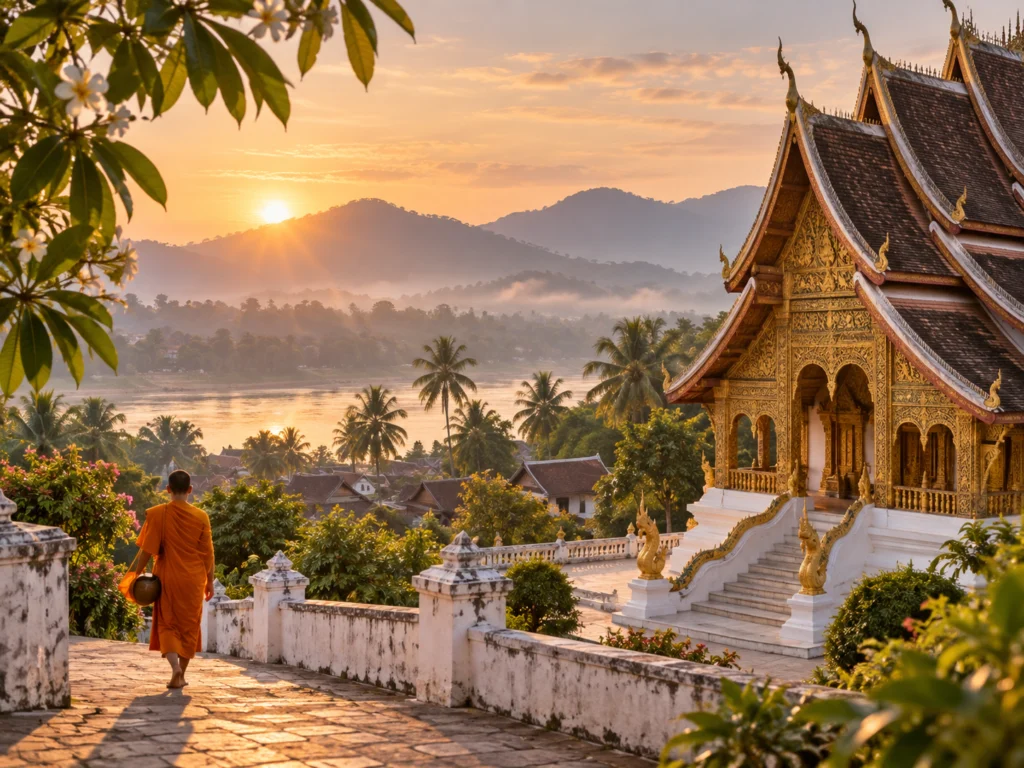
For Laos, it pays to think about the landscape and your preferred pace together. Temple visits and town walks have different priorities from hikes and river journeys. Choose a route that will feel enjoyable in the likely conditions, rather than selecting a month in isolation.
Drier and wetter months
Laos has a monsoon climate. Alongside rain and heat, smoke and dust can affect air quality during the dry season; official guidance notes that this often peaks from mid-March to mid-April. Check local air quality as well as the weather before outdoor activities. Source: German Federal Foreign Office — climate and health.
A seasonal guide for culture and nature trips
| Period | General pattern | What it means for your plans |
|---|---|---|
| November to February | A useful first window to compare for a culture and nature itinerary. November can still bring transitional conditions. | Combine town visits with selected outdoor excursions, while checking paths and the actual forecast. |
| March to April | Drier weather does not always mean clear air. Smoke pollution often peaks from mid-March to mid-April. | Check air quality before strenuous outdoor activities. Discuss alternatives with your clinician and travel team if you have a respiratory condition. |
| May to November | Rainy-season conditions can bring flooding and landslides. | Allow flexibility for rural transfers, walks and river journeys, with confirmed alternatives. |
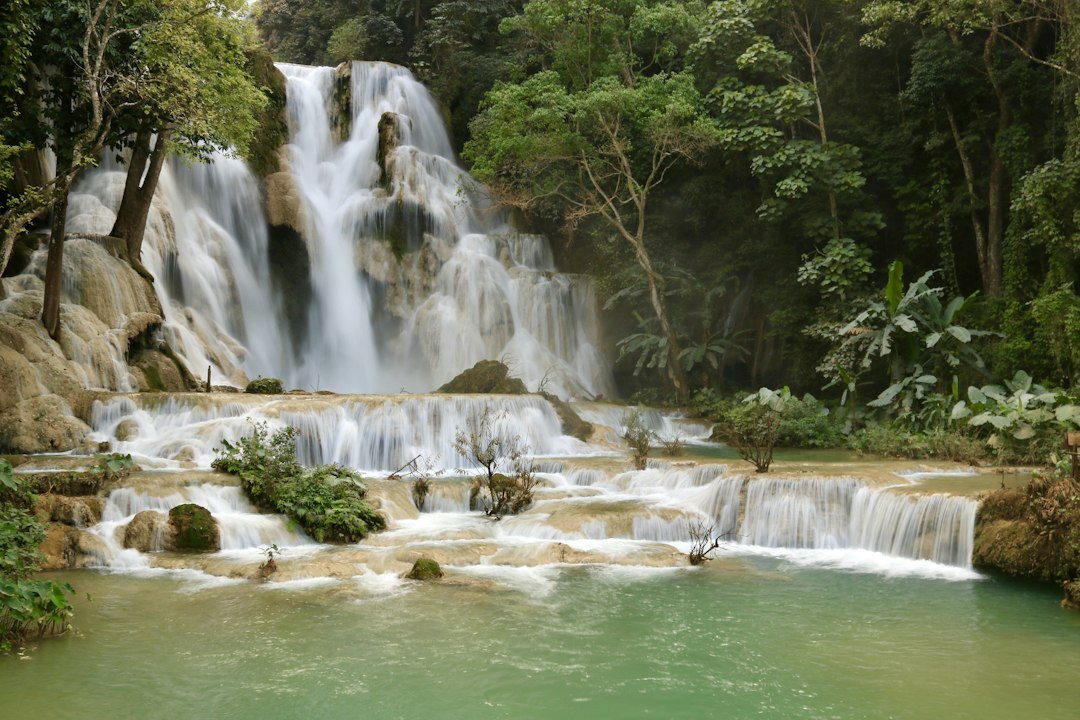
An idea for three nights in Luang Prabang: Use arrival day to settle in and explore near your accommodation. Devote the first full day to the town and its temples, then choose a nature outing or cooking class for the second according to conditions. You do not need another change of location to enjoy variety. With four nights, you can add a free day between activities.
For waterfalls and walks: Ask about distances, steps, slippery sections and shorter alternatives. A weather update is not permission to use a closed path or swimming area. Do not improvise a detour around a closure simply to complete an outing.
If your holiday dates are fixed: Tell us two experiences you would most like to include and one you could skip if needed. This makes the route easier to adapt. If Laos is a short addition to a larger trip, one regional focus often works better than several flights and one-night stays.
Give Luang Prabang time
A town visit need not be an uninterrupted sequence of temples. Allow for early or late walks, breaks and a market visit or cooking experience. Staying several nights makes it easier to adjust to the weather and how you feel; one very full day offers less flexibility.
Consider what matters most to you: architecture, religious life, food or scenery. Those interests shape the order of each day. An unhurried morning with good explanations can be more memorable than numerous brief stops, so your preferred pace is an important part of the plan.
Nature outings and river journeys
For hikes, check paths and access as well as the forecast for the nearest town. Ask about distance, terrain, the return route and alternatives. River trips depend on current operating conditions and the operator’s assessment. A route shown on a map is not necessarily a confirmed service.
Leave a buffer between weather-dependent activities and important connections. Agree what happens if an outing is cancelled. Free time between more intensive stages, as well as at the end of the trip, gives you useful flexibility.
Fixed dates or a flexible travel window?
With fixed dates, shape the itinerary around the season. With flexibility, first choose your priority experiences, then compare suitable times to travel. A period that works well for cultural visits may require different preparation for a more demanding outdoor route.
Combining Laos with a neighbouring country
Conditions may differ across the regions on a multi-country journey. Compare your actual destinations rather than national averages. A shorter, connected route can be easier to adapt than extra flights for single-night stops. The right balance depends on your interests, not a standard trip length.
Check again before each stage
Keep rain protection, suitable shoes and a dry document pouch accessible. Check short-term warnings and transfer confirmations. If air quality could affect your health, include route planning in your medical preparation. A thoughtful itinerary allows for uncertainty and alternatives rather than promising particular weather.
Turn your ideas into a personal journey
Discuss your route, pace and preferences with our team to create a journey that suits you.
Plan your trip for freeExplore tour ideas →