Hello world!
Welcome to WordPress. This is your first post. Edit or delete it, then start writing!

Welcome to WordPress. This is your first post. Edit or delete it, then start writing!
The ao dai is one of Vietnam’s most recognisable forms of dress. Its long panels and flowing trousers often look timeless, yet the garment has changed repeatedly as fashions and society have changed.
Understanding that evolution adds another layer to a museum visit, a tailoring appointment or a photograph taken during your trip.
/ringostudio-woman-5828787_1920.jpg)
Rather than a single design preserved unchanged for centuries, the ao dai reflects a conversation between older clothing traditions and new ideas.
Earlier long tunics, court dress and twentieth-century tailoring all contributed to the forms worn today. Designer Nguyen Cat Tuong, also known as Le Mur, played an important part in the changes of the 1930s.
Its story is one of adaptation as well as continuity.
Accounts of the ao dai’s development often connect it with eighteenth-century dress reforms under Lord Nguyen Phuc Khoat. These were part of a broader history of changing clothing customs, rather than the creation of today’s fitted garment in a single moment.
The ao ngu than, a five-panel tunic worn with trousers, is an important predecessor. Its looser shape differs from many modern designs, and both men’s and women’s forms are part of this clothing heritage.
/ảnh 2.jpeg)
In the 1930s, artist Nguyen Cat Tuong promoted new designs under the name Le Mur. His work brought contemporary fashion influences into Vietnamese dress and encouraged debate about style and modern life.
More fitted silhouettes and changes to collars, sleeves and decoration distinguished these designs from earlier tunics. Other designers and tailors continued to adapt the garment in subsequent decades.
The result was not one permanent style. Different versions became associated with particular periods, places and occasions, while wearers helped shape what remained popular.
War, economic conditions and changing work patterns affected how often people wore formal clothing. The ao dai’s role varied across communities and periods, so its history is more complex than a simple story of disappearance and return.
Today, it is worn for weddings, celebrations, performances, some school and professional settings, and personal occasions. Vietnamese communities overseas have also contributed to its continuing visibility and reinvention.
/170.png)
The ao dai connects personal style with cultural identity. Its meaning comes from the people who wear and create it, as much as from any one historical design.
Museums and conversations with tailors can help you notice differences in construction, fabric and styling that are easy to miss at first glance.
In Hanoi, the Vietnamese Women’s Museum offers a useful introduction to clothing within the wider history and lives of Vietnamese women. Check the museum’s current exhibitions, opening hours and admission arrangements before visiting.
/ảnh 4.jpeg)
In Ho Chi Minh City, the Ao Dai Museum founded by designer Si Hoang focuses on the garment and its cultural context. Plan your transport and check current visitor arrangements before setting out.
/172.png)
If you would like to wear an ao dai for photographs, choose a reputable rental shop and a comfortable fit. In Hanoi, a seasonal lotus setting or a quiet streetscape can provide a lovely backdrop; always respect private property and local activity.
/BetterImage_1786433774450.jpeg)
Hoi An also has rental and tailoring options. Discuss fabric, lining, fittings, completion time and the total price in advance. Allow time for adjustments, and choose a photography location without blocking residents, shops or other visitors.
If you would like to include a museum visit or a tailoring appointment, share your travel dates and interests with Vietnam Tour Fun. These experiences can be fitted around the rest of your trip. You can also explore this itinerary as a starting point: vietnamtourfun.com/tour-item/11-day-hello-vietnam-tour. Reach us at enquiry@vietnamtourfun.com or on WhatsApp: wa.me/84962954525.
Further information: Vietnam Tourism: ao dai; Vietnamese Women’s Museum.
If your Vietnam trip includes Ho Chi Minh City, the Mekong Delta can add a different perspective: rivers and canals, orchards, regional food and communities whose lives are closely connected to the water.
The best choice is less about whether to visit and more about how much time to allow. A day trip can offer a first impression; an overnight stay makes an early floating-market visit and a slower pace easier.
 Floating market wholesale boats trading produce at sunrise in the Mekong Delta
Can Tho is several hours by road from Ho Chi Minh City. The journey depends on your starting point, route and traffic, with extra time needed to reach the boat departure point. A same-day return can mean a long day on the road.
Cai Rang is best visited early in the morning. Activity varies by day and has changed as road transport and trading patterns have developed. Ask a local host about current conditions rather than expecting every visit to match older photographs.
A day trip can still offer canals, orchards and village stops, depending on the route. For a shorter outing from Ho Chi Minh City, consider a nearer part of the delta rather than trying to reach Can Tho and return in a hurry.
Staying in Can Tho lets you arrange an early boat departure without first driving from Ho Chi Minh City. You may see produce displayed on tall poles, known as cay beo, and smaller boats selling breakfast. Confirm the departure time and route with a local operator.
Leave time to observe the market respectfully rather than treating it as a fixed performance. The number of trading boats and the pace of activity vary.
 Colorful Khmer temple with tiered spires in Soc Trang, Mekong Delta
With more time, the Soc Trang and Tra Vinh areas offer an introduction to Khmer culture in the delta. Theravada Buddhist temples, local food and community life add another dimension to the journey. Choose a realistic route, allow for transfers, dress respectfully at temples and ask before taking photographs.
Regional dishes add variety to the trip. Try bun mam, a noodle soup with fermented fish broth; hu tieu associated with My Tho; and southern-style banh xeo, often served with plenty of herbs. Recipes differ between cooks and places.
The delta can be visited throughout the year. The drier months are generally around December to April, while wetter months bring greener landscapes and seasonal water changes. Flood-season experiences are location-specific and vary with water levels; check conditions before planning a boat excursion.
|
|
Day Trip from Ho Chi Minh City |
Two Days (Overnight in Can Tho) |
|
Travel |
Several hours each way for Can Tho |
Transfer on day one, return the following day |
|
Arrival in Can Tho |
Depends on departure time and traffic |
Previous evening or night |
|
Cai Rang market |
Early visit requires a very early city departure |
Early boat departure is easier to arrange |
|
Khmer Cultural Layer |
Limited time; choose stops near your route |
Possible with realistic transfer time |
|
Local Food |
Lunch on tour schedule |
Dinner and breakfast at own pace in Can Tho |
|
Accommodation |
None |
Choose accommodation by location, facilities and budget |
|
Best Season |
Possible year-round; check weather |
Possible year-round; activities depend on conditions |
|
Best for |
A first introduction without an extra hotel night |
A slower visit with an early market departure |
On a small screen, swipe the table sideways to see all columns.
 Aerial view of a rural canal in the Mekong Delta, Vietnam, with a boat passing rice fields and flame trees.
Tell us how many days you have in southern Vietnam and what interests you most. We can recommend a practical delta route with enough time for the places you want to see.
Choose one day if time is limited and you want an introduction to the waterways, gardens and food. A nearer destination can keep the balance between travel and sightseeing more comfortable.
Choose an overnight stay if an early Cai Rang visit matters to you, or if you prefer time for village stops and regional food. A longer stay offers more scope for Khmer cultural sites without rushing the return journey.
Seasonal water landscapes may be another reason to stay longer, but their location and accessibility need to be checked for your dates.
Share your total nights and the places already included in your Vietnam trip. We can help shape the southern part of your itinerary. Travellers interested in a more active visit can also explore Vietnam Tour Fun’s Mekong Delta travel guide: Explore our Mekong Delta travel guide. Write to us at enquiry@vietnamtourfun.com or reach us on WhatsApp: wa.me/84962954525.
Further information: Can Tho tourism information.
By Long Pham, Travel Consultant — Vietnam Tour Fun
Mai Chau and Pu Luong both offer rice fields, village stays and beautiful countryside, but they suit different kinds of trips. Mai Chau is known for its open valley and gentle cycling, while Pu Luong offers terraced hillsides and more walking.
The choice depends on your preferred pace, the time you have and how much walking you enjoy. With several days available, combining the two can work well.
Sapa is a well-known choice for mountain terraces, but it involves a longer journey from Hanoi and can be busy in popular areas.
Mai Chau and Pu Luong offer something different.
Mai Chau and Pu Luong are closer alternatives for a shorter countryside break. Many fields have two growing cycles, with harvest periods around late May–June and September–October. Timing varies by village, elevation and weather, so check field conditions near your travel dates.
Mai Chau is known for Thai communities, while Pu Luong is home to Thai and Muong communities. Local architecture, textiles, food and everyday farming are part of the experience; visit with respect for the people who live there.
Both are worth considering if you want rice-field scenery and village life within a few days of Hanoi.

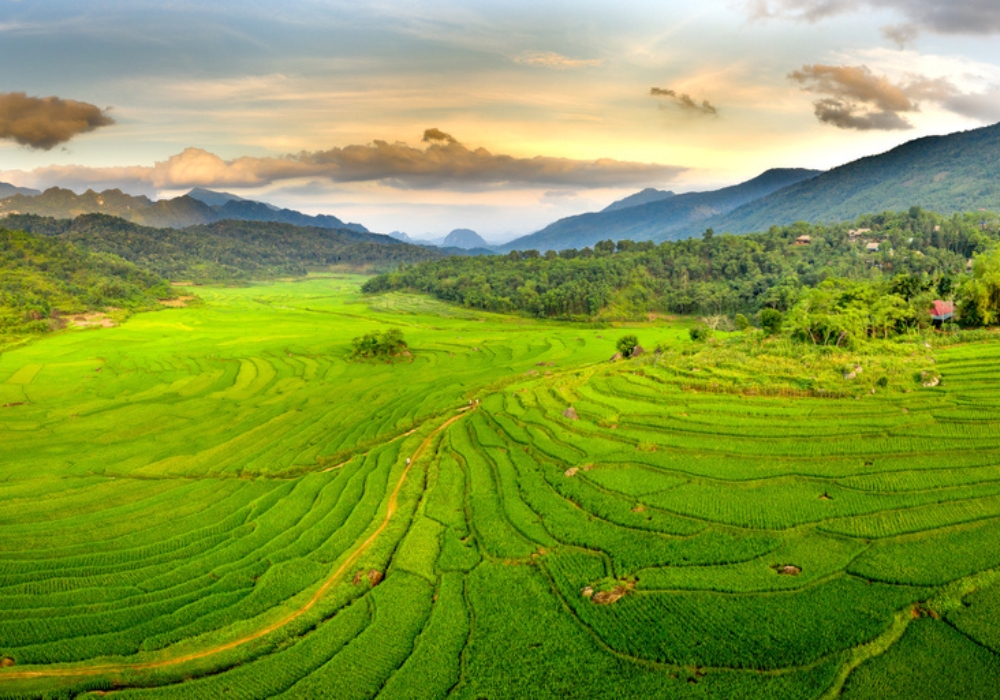
Not sure whether Mai Chau, Pu Luong, or a combination fits your travel style?
We can tailor a northern Vietnam journey to your pace, interests and travel dates.
See the tour → Explore Northern Vietnam — 13 Days
Scenery
Mai Chau’s broad valley is framed by green hills, with rice paddies and villages of wooden stilt houses across the valley floor. It offers a more open landscape than the steeper terraces of Pu Luong.
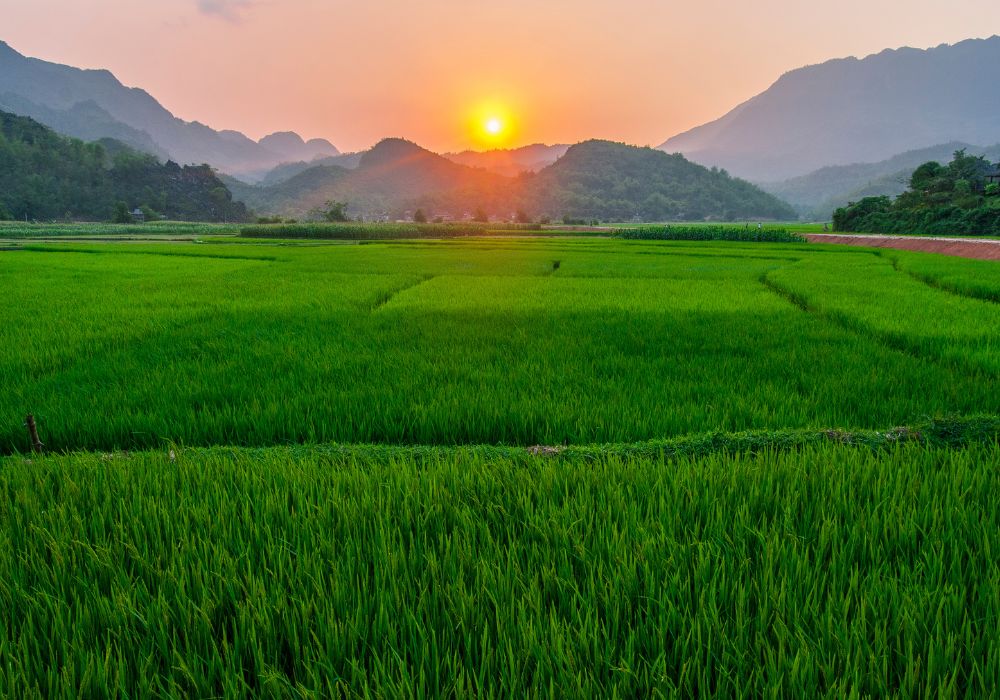
Travel Time
Allow several hours by road from Hanoi, with the exact journey depending on your starting point, route and stops. Two nights give you time to settle in and explore without spending most of the visit in transit.
Trekking Level
Cycling and gentle village walks are popular ways to explore Mai Chau. Choose a route suited to your confidence and fitness: village roads can still have traffic, uneven surfaces and heat. Tell your guide about any mobility needs before choosing activities.
Atmosphere and Experience
Mai Chau has a well-established range of homestays and lodges. Thai weaving remains part of local life, and visits to workshops can be arranged where hosts welcome guests.
Lac Village can be lively on weekends. Pom Coong and other villages around the valley offer alternative bases, while countryside retreats may suit visitors looking for more privacy and comfort.
Best For
– First-time visitors to northern Vietnam’s highland rice country
– Travelers who prefer cycling and easy movement over trekking
– Anyone wanting a shorter, more comfortable drive from Hanoi
– Couples and solo travelers looking for a slow, settled two-night base
– Groups who want to adapt activities to different fitness and mobility needs
Interested in Mai Chau?
We can suggest the right village base, lodge, and timing for you.
Email us → enquiry@vietnamtourfun.com
Scenery
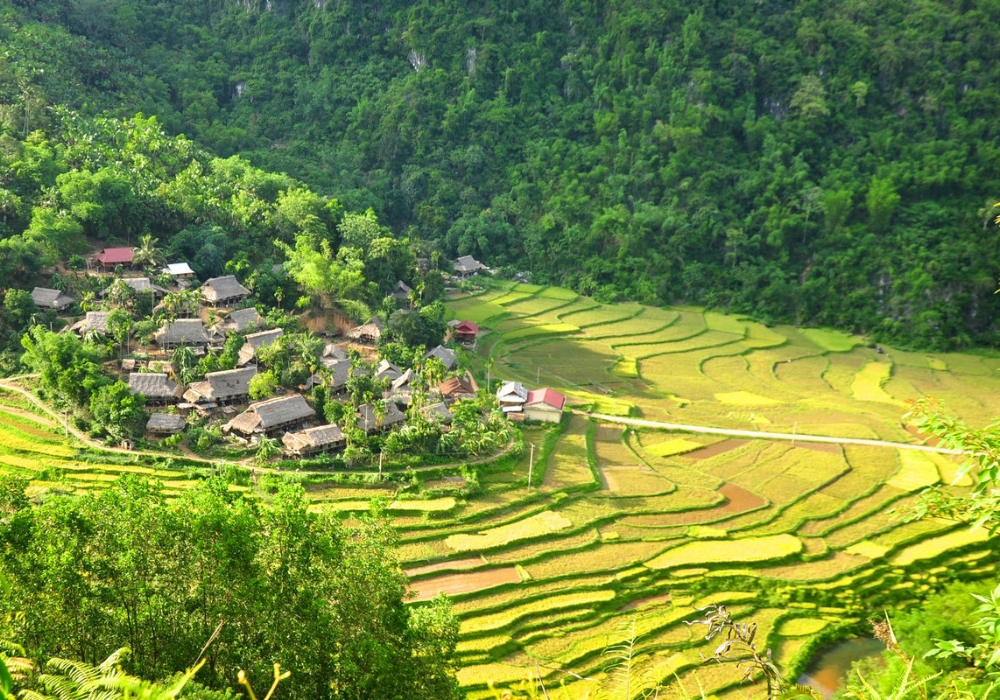
Pu Luong Nature Reserve offers rice terraces, limestone hills and forested slopes. Around Ban Don, paths and roads open onto layered views across the valley.
Bamboo water wheels, village paths and the cave near Kho Muong add variety to a longer stay. Check the suitability and current access of each excursion before including it.
Travel Time
Allow roughly four to five hours by road from Hanoi, sometimes longer with traffic, weather and stops. Confirm the transfer time for your particular lodge rather than relying on a single distance for the whole reserve.
Trekking Level
Pu Luong suits visitors who enjoy walking on village paths and uneven terrain. Routes range from short farmland walks to longer outings around Kho Muong and nearby settlements. Ask for the distance, ascent and surface conditions when choosing your walk.
The cave near Kho Muong has uneven, potentially slippery ground. Visit only with appropriate local guidance and equipment. Suitability depends on mobility, balance and confidence, rather than age alone.
Atmosphere and Experience
Thai and Muong villages sit among working fields and forest. Homestays and lodges offer different levels of comfort. Ask before entering homes or photographing people, and choose visits that respect residents’ routines.
Phone reception can be limited in parts of the reserve. Download useful information in advance and confirm practical arrangements with your host.
Best For
– Those who enjoy walking as part of the day
– Anyone who wants a more layered and visually dramatic landscape
– Travellers interested in Thai and Muong culture and village life
– Those who don’t mind a longer drive from Hanoi
– Anyone who wants a destination that rewards going deeper rather than moving faster
| Pu Luong | Mai Chau | |
| From Hanoi | Around 4–5 hours by road; route dependent | Several hours by road; generally a shorter transfer |
| Crops per year | Often two; varies locally | Often two; varies locally |
| Golden window | Around May–June and September–October; check locally | Around May–June and September–October; check locally |
| Crowd level | Quieter overall; popular lodges can be busy | Moderate |
| Physical effort | Varies by route; uneven ground | Gentle options available; cycling requires confidence |
| Tourism | Homestays and countryside lodges | Established homestays and retreats |
| Best for | Terraced scenery and village walks | Open valley, gentle outings and a slower pace |
On a small screen, swipe the table sideways to see all columns.
The right choice depends on three things more than anything else: how much walking you enjoy, how long the drive can reasonably be, and what kind of pace makes the trip feel like a holiday.
Choose Mai Chau if you prefer open countryside, gentle village outings and a relatively straightforward journey from Hanoi. It can work well for groups with different energy levels, provided activities and accommodation are chosen carefully.
Choose Pu Luong if you enjoy walking, want terraced hillside scenery and are comfortable with a longer transfer and uneven paths.
Four or five days usually allow a comfortable introduction to both places, depending on your arrival and departure plans.
One option is to begin in Mai Chau, spend a night or two in the valley, then continue to Pu Luong for village walks and terrace views. Allow time for the transfer between them and confirm it with your driver. Two nights in Pu Luong leave a full day for an outing tailored to your pace.
The combination offers variety: open valley cycling in Mai Chau and more layered hillsides in Pu Luong. The order can be adjusted to fit the rest of your itinerary.
With only two days, choosing one destination usually leaves more time to enjoy it.
Vietnam Tour Fun plans tailor-made journeys in Vietnam and Southeast Asia. Tell our team about your priorities so we can recommend a suitable base, route and pace.
Your interests, fitness, mobility, budget and preferred accommodation shape the plan. We can adapt activities and advise on seasonal conditions rather than assuming one itinerary suits everyone.
“The itinerary balanced guided tours, cultural activities, transportation, and free time perfectly. A seamless, memorable trip of a lifetime.” — Phillip Harrison, verified Google review
“Chris was a great communicator and was in touch with us through WhatsApp daily. Planes, boats and vans were all on schedule, which was quite impressive.” — Lisa Andrews, verified Google review
“From start to finish, every detail was taken care of. The level of organization and the care we received throughout the journey exceeded our expectations.” — Jamie Murphy, verified Google review
Read more reviews on TripAdvisor
Share your dates, available days and preferred pace. We can suggest a route and check local field conditions as your trip approaches, while allowing for changes in harvest timing.
View the tour → Explore Northern Vietnam — 13 Days
Chat with us on WhatsApp → wa.me/84962954525
Email: enquiry@vietnamtourfun.com
Hotline: +1 (800) 7956081
By Long Pham, Travel Consultant — Vietnam Tour Fun
Mai Chau, Pu Luong, Sapa, Mu Cang Chai and Hoang Su Phi all offer rice-field scenery, but the journeys and experiences differ. This guide helps you choose a destination that fits your time, interests and preferred pace.
Some areas have two growing cycles, while higher terraces generally have one main crop. Harvest dates vary, so planning around a season works better than expecting every field to be golden on a particular day.
1. Understanding the Harvest Windows
2. Mai Chau: The Easiest Introduction
3. Pu Luong: Layered Terraces, Two Harvests
4. Sapa: Vietnam’s Most Famous Rice Terraces
5. Mu Cang Chai: Terraces and Mountain Roads
6. Hoang Su Phi: A Quieter Highland Journey
7. Five Destinations at a Glance (comparison table)
8. How to Choose: Framework by Travel Style
9. Planning Your Trip
10. What Our Clients Say
The most important thing to understand before booking is that northern Vietnam’s rice growing regions do not all follow the same agricultural calendar.
Many fields around Mai Chau and Pu Luong have two growing cycles, with harvest periods around late May–June and September–October. Dates vary locally, so confirm conditions with your guide before choosing your route.
The highland terraces around Sapa, Mu Cang Chai and Hoang Su Phi generally have one main crop, with ripening and harvest from late August into October depending on the area.
Planting dates, elevation and weather affect individual fields. It is normal to see green, gold and harvested paddies in the same valley.
Use seasonal windows as a guide, keep some flexibility and ask about recent field conditions as your trip approaches. No itinerary can guarantee a particular stage of the harvest.
Getting There
Allow several hours by road from Hanoi. The exact distance and journey time depend on your starting point, route and accommodation.
The Landscape and Harvest Season
Mai Chau Valley sits in what is now Phu Tho Province. The valley is broad and flat, which is what distinguishes it immediately from every other destination in this guide: the rice here grows on a valley floor, not carved into mountain terraces. The landscape is wide and open, ringed by green hills, with White Thai stilt house villages spread across the farmland.
Harvests often fall around May–June and September–October, though individual fields vary. Early summer can be hot and wet; autumn can also bring rain. Choose dates for the wider itinerary as well as the rice scenery.
Lac Village and Pom Coong have well-established homestays and can be busy at popular times. Other villages, including Na Phon and Mai Hich, offer additional bases to consider.
What to Do
Cycling and village walks are popular, with gentler routes available across the valley. Check traffic, heat and surface conditions, and choose activities according to fitness and confidence rather than age.
Avana Retreat and Mai Chau Ecolodge are among the area’s accommodation options. Compare their location, facilities and travel times with the activities you want to do.
Mai Chau suits travelers who want gentle countryside, reliable comfort, easy movement, and a shorter drive from Hanoi. It is the clearest starting point for first time visitors to northern Vietnam’s highland rice country.
Best for
– First-time visitors to northern Vietnam’s highland rice country
– Groups who want activities adapted to different fitness levels
– Short countryside breaks from Hanoi
– Boutique lodge comfort alongside working rice field scenery
Suggested stay: 2 to 3 nights
Getting There
Allow roughly four to five hours or more by road from Hanoi, depending on your lodge, route and stops.
The Landscape and Harvest Season
Pu Luong Nature Reserve in Thanh Hoa combines terraced fields, limestone hills and forest. Thai and Muong communities live among the valleys. It complements Mai Chau’s more open landscape.
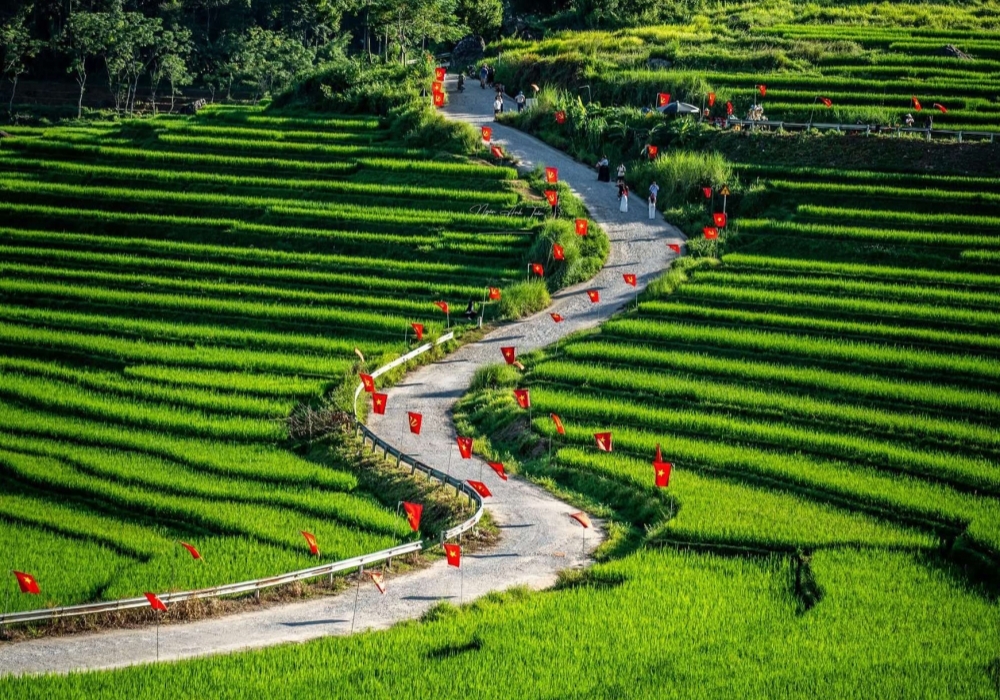
The Ban Don area is known for terrace views, with lodges overlooking the surrounding fields. Check the particular room and location when booking.
Key Villages and Experiences
Kho Muong and nearby villages can be explored on walks of varying length. Choose a route by distance, ascent and path conditions; a short village walk and a full day of trekking are different experiences.
Stilt-house architecture reflects local communities and household traditions. Visit with a host or guide, ask before entering, and follow the household’s customs.
Bamboo water wheels and the cave near Kho Muong add variety to a visit. Cave access can involve uneven, slippery ground and requires appropriate local guidance and equipment. Decide suitability based on mobility and conditions.
Rice seasons vary between villages. Late spring and autumn are useful starting points for planning, with recent local information needed before travel.
Pu Luong suits travelers who want a more layered and culturally immersive landscape, are comfortable with light walking, and do not mind a longer drive from Hanoi.
Best for
– Travelers who enjoy walking as part of the day, not just scenery
– Travellers interested in Thai and Muong village life
– Couples and small groups looking for ecolodge comfort away from tourist crowds
– Travellers seeking terraced landscapes within a shorter circuit from Hanoi
Suggested stay: 2 to 3 nights
For a closer comparison of walks, village stays and a combined itinerary, see the dedicated guide.
Pu Luong vs Mai Chau in Rice Season: How to Choose the Right Northern Vietnam Escape
Getting There
Allow around five to six hours or more by road from Hanoi. An overnight train to Lao Cai followed by a road transfer is another option; Sapa itself has no mainline railway station.
The Harvest and the Valley
Sapa is now administratively part of a merged Lao Cai Province following Vietnam’s July 2025 provincial reform. It sits at roughly 1,500 metres elevation in the Hoang Lien Son range, and the Muong Hoa Valley running southeast from town toward Ban Ho is the main rice terrace landscape.
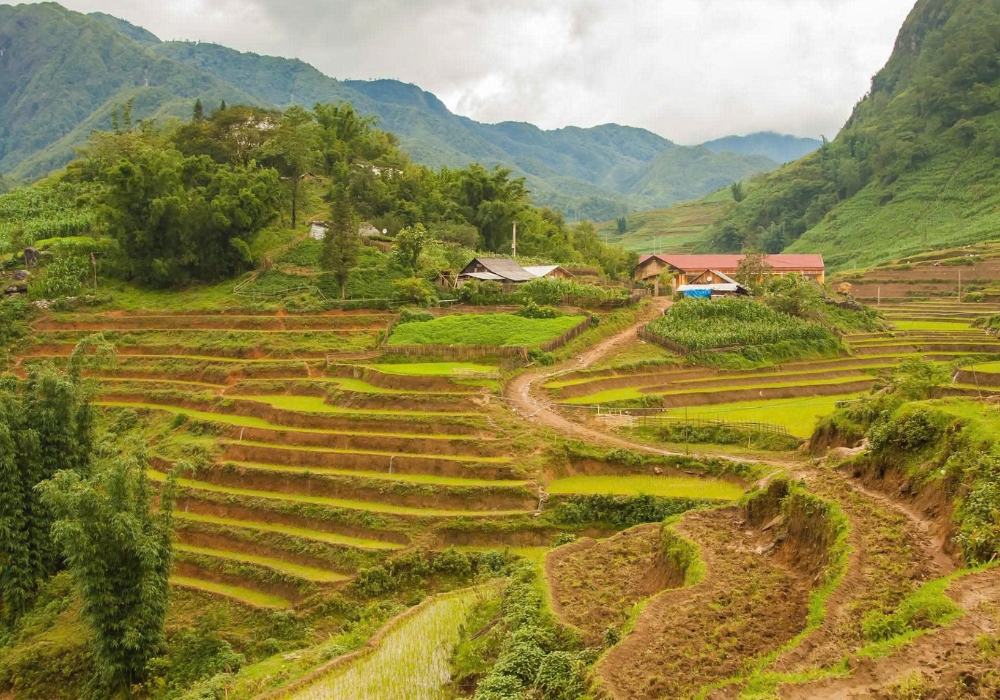
The wider area is home to Hmong, Dao, Tay, Giay and Xa Pho communities. Village visits around the valleys offer different landscapes and traditions, so choose your route with a local guide.
Rice often ripens from late August through September, with considerable variation between villages and years. Do not rely on a fixed week for peak colour.
What Travelers Should Know About Sapa
Sapa town has a wide range of hotels, restaurants and attractions. Popular sights such as the Fansipan cable car and Cat Cat can be busy; their developed visitor facilities offer a different experience from a quieter village walk.
A village base can bring you closer to the terraces, while staying in town gives easier access to services. Choose according to your priorities, and confirm the walking and transfer requirements.
Sapa suits travellers who value a choice of accommodation, established services and varied excursions. Quieter experiences are possible with careful selection of the route and base.
Best for
– Travelers who want Vietnam’s most iconic highland terrace landscape
– Travellers who would like the option of a train to Lao Cai
– Anyone combining highland Vietnam with a comfortable boutique hotel base
Choose a town or village base to suit your priorities
Suggested stay: 2 to 3 nights
Getting There
Allow a full travel day from Hanoi, often six to eight hours or more depending on the route, road conditions and stops. Access is by road.
The Landscape and Harvest Season
Mu Cang Chai is now in the merged Lao Cai Province. The three most celebrated terrace areas (La Pan Tan, Che Cu Nha, and De Xu Phinh) are together designated a Vietnamese National Heritage Site. The Mam Xoi Hill in La Pan Tan, known to photographers as Sticky Rice Hill, produces what may be the most reproduced single rice terrace image in Vietnam.
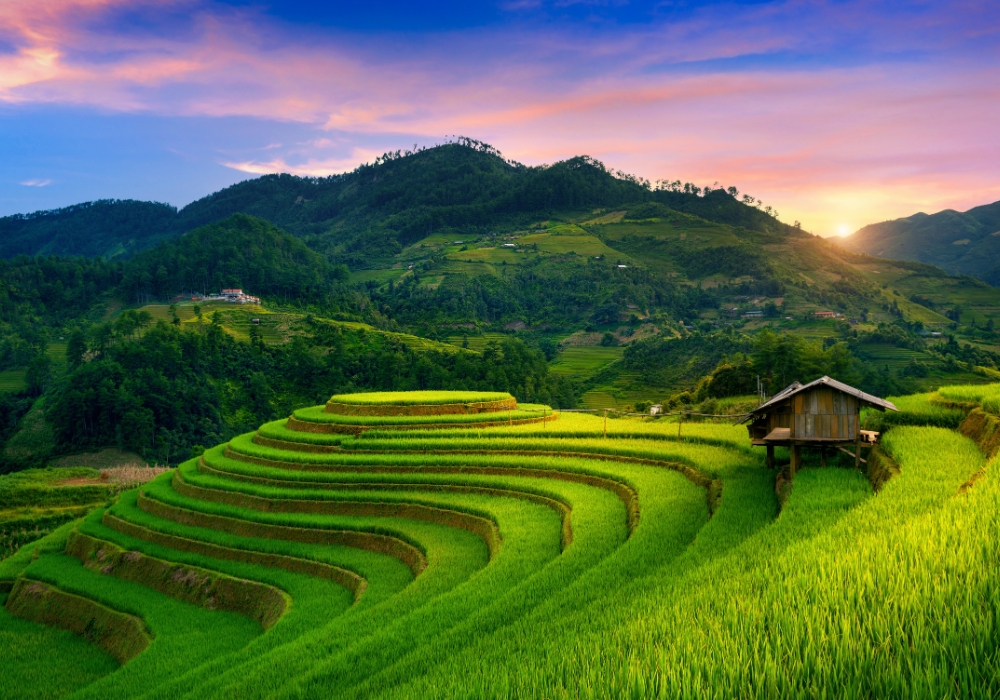
Hmong communities are central to the area’s farming landscape. The main rice harvest is generally associated with September and October, but conditions vary by field and year.
Practical Notes on the Ground
Some viewpoints involve steep or uneven approaches. Discuss transport and walking options in advance rather than assuming a motorbike taxi suits everyone. Popular viewpoints can be busy on harvest-season weekends.
A route via Nghia Lo or Tu Le can break up the journey. Khau Pha Pass adds mountain scenery, while Tu Le is known for its sticky rice. Allow several days to enjoy the area without rushing.
Mu Cang Chai suits travelers who prioritise the visual impact of terraced rice landscapes, are willing to accept a long drive and basic to mid range accommodation, and want fewer international tourists than Sapa.
Best for
– Travellers interested in terrace photography
– Adventure travelers comfortable with a six to eight hour mountain drive
– Visitors able to travel midweek during popular harvest periods
– Travelers adding a scenic mountain loop to a longer northern itinerary
Suggested stay: 3 to 4 nights
Getting There
Allow around six to eight hours or more from Hanoi, with travel time varying substantially by village. The final approaches use winding mountain roads. The area is now in Tuyen Quang Province following the 2025 provincial merger.
The Landscape and Heritage
Terraces around Ban Phung and other villages reflect generations of farming by La Chi and other local communities. Selected terrace landscapes have national heritage recognition; this is distinct from UNESCO World Heritage status.
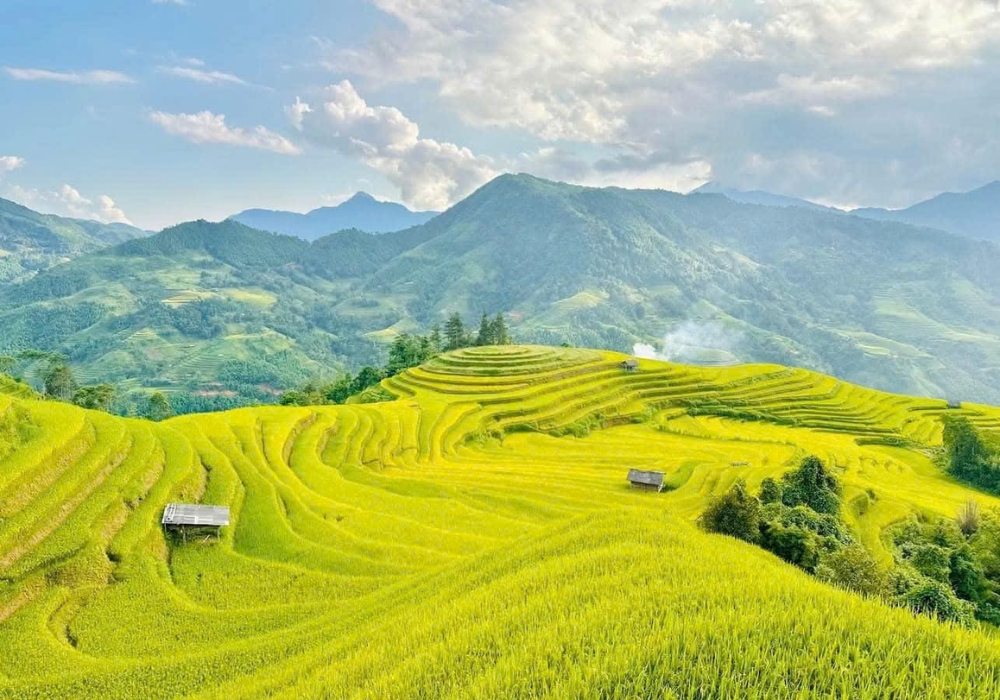
The wider area is home to several ethnic communities, including Nung, Dao, Tay, La Chi and Hmong. Local markets and village visits offer opportunities to learn with a guide and respectful hosts.
The harvest is generally associated with September and October. Its timing does not follow the other destinations by a fixed number of days; check conditions village by village.
What to Expect on the Ground
Accommodation includes homestays and countryside lodges, with facilities that vary. Ask about bathrooms, stairs, heating and access rather than assuming all stays offer the same comfort.
Cash and mobile coverage can be limited in rural areas. Plan supplies and transfers in advance, use an experienced driver and allow for road disruption after heavy rain.
Hoang Su Phi suits travellers comfortable with longer journeys and fewer services. First-time visitors can enjoy it too, provided the practical demands match their expectations.
Best for
– Travelers who have already visited one or two northern highland destinations
– Travellers interested in locally hosted cultural visits
– Anyone willing to accept a longer drive and basic conditions for something genuinely remote
– Photographers and slower travellers who prefer quieter areas
Suggested stay: 3 to 4 nights
Sapa and Hoang Su Phi can be combined on a longer circuit. The dedicated guide compares their practical demands and explains why harvest timing needs to be checked locally.
Rice Harvest Season in Sapa and Hoang Su Phi: What the Window Looks Like and How Not to Miss It
| Mai Chau | Pu Luong | Sapa | Mu Cang Chai | Hoang Su Phi | |
| From Hanoi | Several hours; route dependent | Around 4–5 hours or more | Around 5–6 hours or more | Around 6–8 hours or more | Around 6–8 hours or more; village dependent |
| Crops per year | Often two; varies locally | Often two; varies locally | Usually one main crop | Usually one main crop | Usually one main crop |
| Golden window | Late May to June and Sep to Oct | Late May to June and Sep to Oct | Often late August–September | Often September–October | Often September–October |
| Crowd level | Moderate | Quieter overall; popular places can be busy | Busy in popular areas | Moderate to high (weekends) | Low |
| Physical effort | Low (flat cycling) | Low to moderate | Varies by chosen route | Moderate | Moderate to high |
| Tourism level | Established homestays and retreats | Homestays and countryside lodges | Wide choice of services | Homestays and lodges | Fewer services; varying facilities |
| Province (2025) | Phu Tho | Thanh Hoa | Lao Cai | Lao Cai | Tuyen Quang |
| Best for | First-timers, comfort, easy travel | Cultural depth, mountain lodges | Iconic scenery, easy logistics | Dramatic photography, slow travel | Off the beaten path, extended trekking |
On a small screen, swipe the table sideways to see all columns.
If this is your first trip into northern Vietnam’s highland rice country
Mai Chau or Pu Luong can work well for a shorter introduction, while Sapa offers a wider range of services. Compare your available time, desired activities and travel dates rather than choosing on scenery alone.
If you want the most dramatic terrace landscape and are prepared for a long drive
Consider Mu Cang Chai during the broader September–October harvest period, checking local conditions before travel. Break up the journey and allow time for weather and photography stops.
If logistics matter more than crowd avoidance
Sapa can be reached by taking a train to Lao Cai and continuing by road. Compare this with a direct road transfer; comfort depends on your preferences, service and accommodation.
If you want the fewest tourists and the deepest cultural encounter
Consider Hoang Su Phi if you are comfortable with longer transfers and fewer services. Allow enough time for village visits without a demanding schedule.
If you want to combine destinations
Possible combinations include Mai Chau and Pu Luong over four or five days, or a longer route linking Sapa and Mu Cang Chai. A circuit covering all five needs considerably more time and should be designed around travel distances and your pace.
These itineraries offer starting points for a tailored trip:
Pu Luong and Mai Chau tour: Explore Northern Vietnam — 13 Days
Sapa and Hoang Su Phi tour: Best of Vietnam — 14 Days
Book ahead, with flexibility where possible
Popular lodges and transport can fill during harvest season. Book in good time, review cancellation terms and leave room to adjust local outings as field conditions become clearer.
Prepare for mountain weather
Weather in northern Vietnam changes quickly during harvest season. Pack comfortable walking shoes, layered clothing for cool evenings, and a light rain layer. Trekking paths after rain are slippery across all five destinations.
Accommodation by destination
Each destination has a range of accommodation, from simple homestays to more comfortable lodges. Confirm room type, bathrooms, stairs and road access before booking. A remote location does not automatically mean basic facilities, and a familiar hotel label does not guarantee a particular standard.
Road conditions across all five destinations
Choose transport according to comfort, mobility and the route. An experienced local driver can make mountain transfers easier. Shared services may involve additional connections, while heavy rain can affect any route.
Traveller feedback can help you understand the experience of planning with Vietnam Tour Fun.
Read reviews on TripAdvisor →
Read Vietnam Tour Fun traveller reviews
Vietnam Tour Fun can tailor a northern itinerary around the time you have, the landscapes you want to see and the level of activity you enjoy.
We can recommend suitable bases and discuss seasonal conditions while leaving time for the journeys between destinations.
Share your dates, available days and preferred pace. We can suggest an itinerary and check local conditions as your trip approaches.
Further information: Vietnam Tourism: Pu Luong.
By Long Pham, Travel Consultant — Vietnam Tour Fun
As rice ripens in northern Vietnam’s highlands, terraces turn from green to gold and farming communities begin the harvest. Sapa and Hoang Su Phi both offer striking landscapes, with different travel times, accommodation and walking experiences.
Planning helps you make the most of either destination. This guide compares their scenery and practical demands, while explaining why harvest dates need to stay flexible.
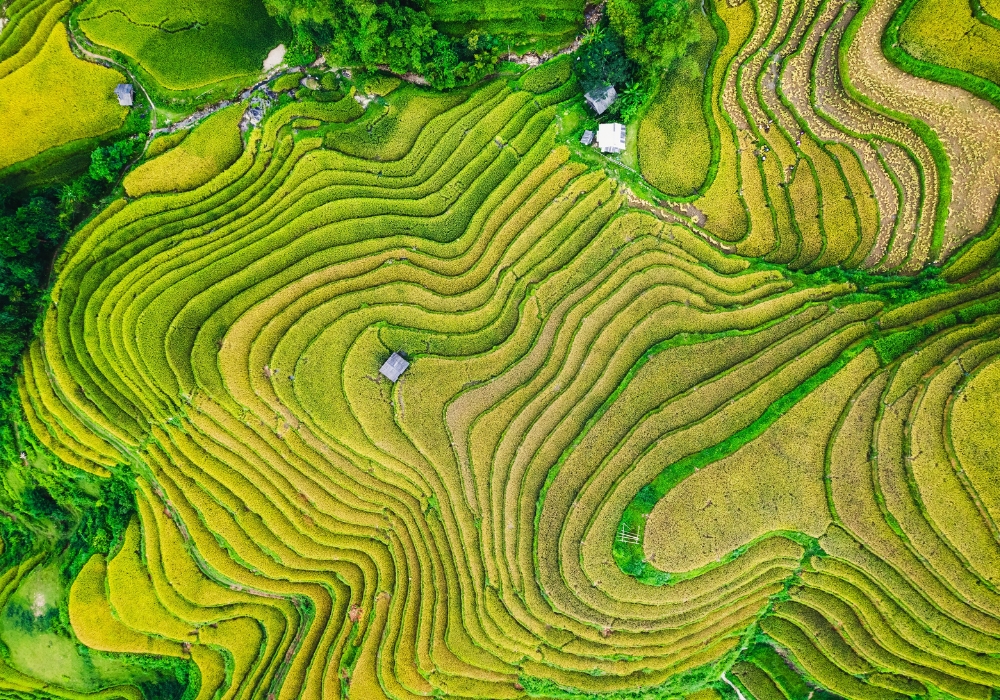
Vietnam’s northern highlands are home to some of the most extraordinary agricultural landscapes in Southeast Asia — terraced fields that follow the natural contours of steep mountainsides, shaped and maintained by ethnic minority communities across generations. At harvest time, these fields turn gold. The transformation lasts only a matter of weeks.
Harvest season brings activity as well as colour. Families work in the paddies, and local paths pass close to fields being cut and gathered. Stay on permitted paths, keep out of the way of farm work and ask before taking portraits.
The highland terraces around Sapa and Hoang Su Phi generally have one main rice crop each year. Lower areas such as Mai Chau and parts of Pu Luong may have two. The exact harvest varies between fields and seasons.
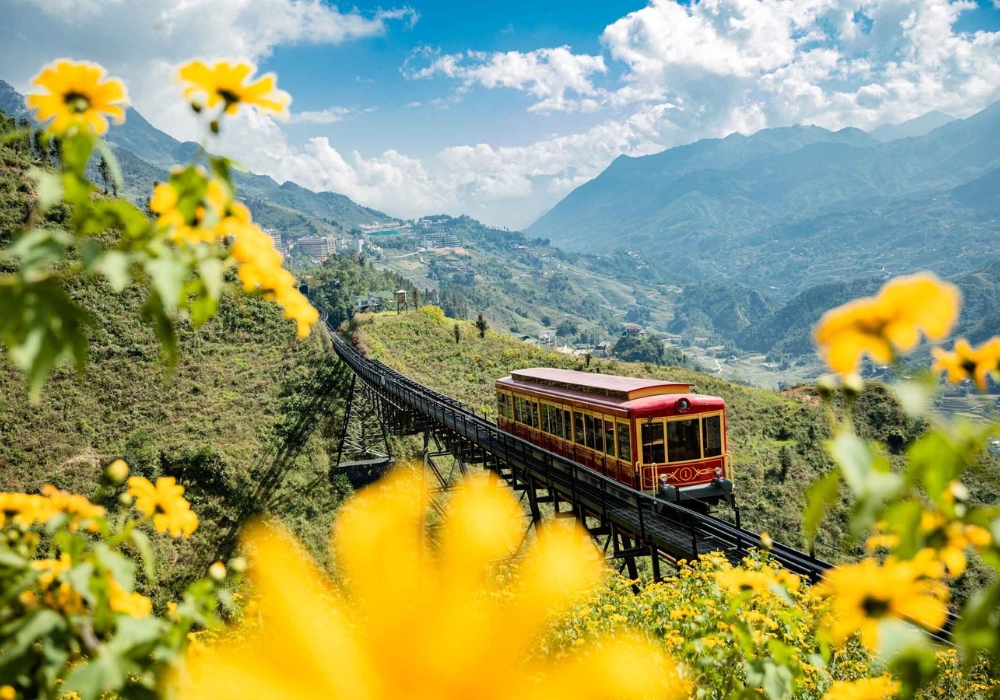
Sapa lies in the Hoang Lien Son mountains. The town has grown into a busy tourism centre, while the surrounding valleys offer terraces, walking routes and villages. Muong Hoa Valley is among the best-known areas to explore.
The terrace system here is one of the most accessible in northern Vietnam. Walking routes pass directly through farming communities, and the combination of scenery and cultural proximity is what earned Sapa its reputation.
Rice around Sapa often ripens from late August through September, with different fields harvested at different times. Expect a mix of green, gold and cut paddies rather than a uniform view. Ask your guide about local conditions shortly before you travel.
A village stay can make it easier to enjoy early walks and quieter parts of the valley. Sapa town offers more restaurants and services, so choose your base according to the kind of stay you prefer.
Weekends during peak harvest are busy. Weekday visits and early starts make a practical difference to how crowded the walking routes feel.
– Travelers visiting northern Vietnam’s highlands for the first time
– Anyone who wants iconic terrace scenery alongside accessible cultural villages
– Walkers who want a choice of routes, with difficulty checked in advance
– Families and travelers who want comfortable overnight village accommodation
– Travelers who want to pair highland scenery with a Red Dao textile encounter in the quieter valleys southwest of town
Interested in Sapa during harvest season? We can match you to the right village base, trail level, and timing.
Email us → enquiry@vietnamtourfun.com
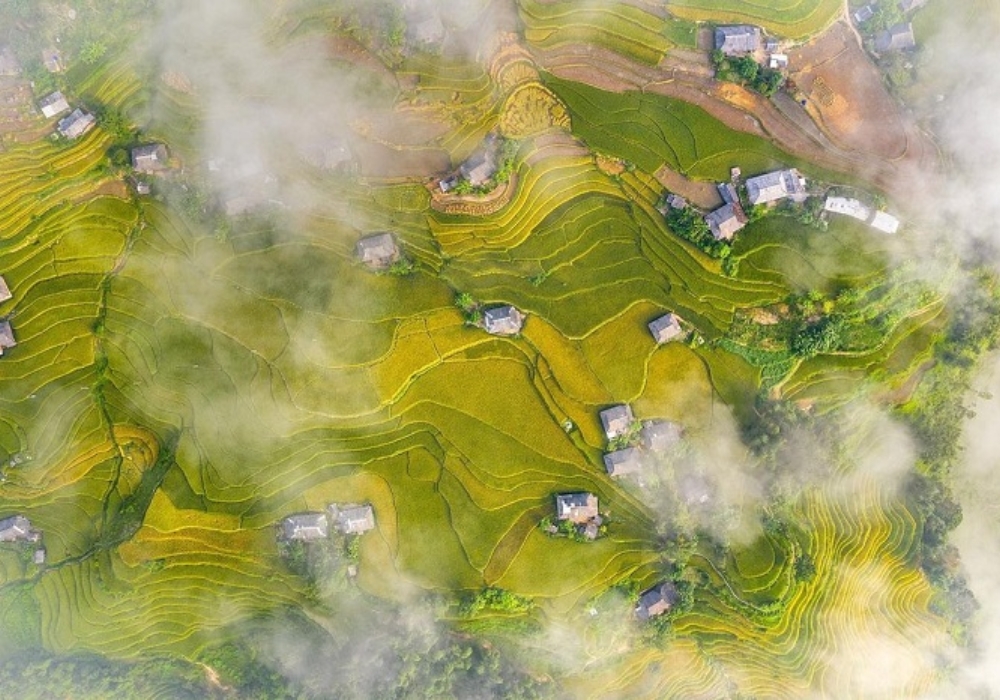
Hoang Su Phi usually takes more time to reach because of its winding approach roads. It receives fewer visitors than Sapa’s busiest areas and suits a trip with time for slower travel.
Around Ban Phung and other terrace areas, fields climb steep hillsides shaped by generations of local farming. La Chi and other communities are central to this landscape. Some terrace areas hold national heritage recognition.
Hoang Su Phi’s harvest is generally associated with September and October, but timing varies considerably by village and year. It should not be assumed to follow Sapa by a fixed number of weeks. Combining them requires checking conditions in both places.
Village walks can introduce you to local farming, textiles and traditional crafts where hosts welcome visitors. Arrange these encounters respectfully and remember that daily work takes priority over sightseeing.
Bring enough cash for smaller businesses and expect variable mobile coverage. Mountain roads can be affected by heavy rain, so use an experienced driver and keep some flexibility in the itinerary.
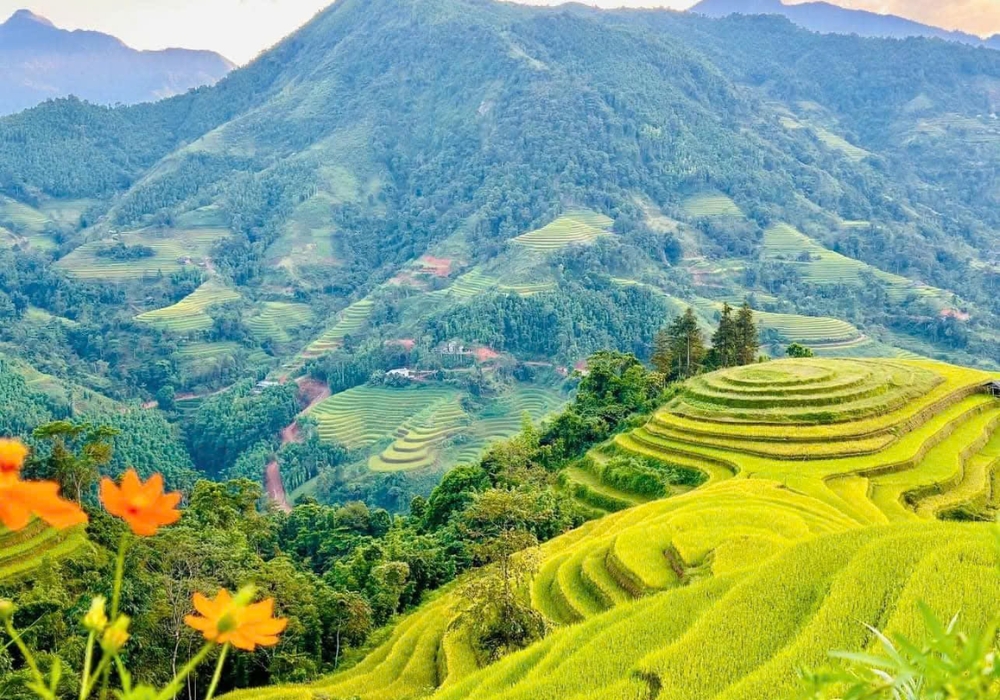
– Travelers who have already visited Sapa or another highland destination and want something further off the established route
– Travellers interested in locally hosted village visits and a quieter pace
– Photographers looking for dramatic, steep terrace compositions rather than wide valley panoramas
– Travellers comfortable with fewer services and accommodation that varies in standard
– Travelers on a longer circuit who want to finish the highlands on a note that feels genuinely remote
Interested in Hoang Su Phi? We can advise on field conditions, the right base, and how to time it alongside Sapa.
Chat with us on WhatsApp → wa.me/84962954525
Both destinations offer genuine harvest season experiences. The right choice depends on what kind of travel experience you are looking for, your comfort with remote conditions, and how much of the northern circuit you can fit into your trip.
| Sapa | Hoang Su Phi | |
| From Hanoi | Allow around 5–6 hours or more by road | Allow around 6–8 hours or more, depending on the village |
| Terrace style | Broad valleys and terraces; some steep trails | Steep, dramatic hillside terraces |
| Landscape scale | Expansive valley, accessible on foot | Steep hillsides and winding access roads |
| Peak harvest | Often late August–September; varies by field | Often September–October; check locally |
| Crowds | Popular; busier on weekends | Quieter overall; popular periods can still be busy |
| Trekking difficulty | Varies by route; easy walks to demanding treks | Uneven terrain; some steep routes |
| Cultural experience | Black Hmong and Red Dao villages | La Chi and Dao communities |
| Best for | First-time highland visitors | Repeat visitors seeking something remote |
On a small screen, swipe the table sideways to see all columns.
A longer northern itinerary can include both destinations, but the route should follow your travel dates, field conditions and preferred pace. Allow for long transfers rather than treating the two areas as neighbouring day trips.
Sapa offers a wider choice of services and walking routes. Hoang Su Phi may suit travellers who prefer quieter areas and are comfortable with longer journeys and fewer facilities.
The harvest window is narrow and special. But it is not the only time these highlands are worth visiting. Here is an honest picture of what other seasons look like.
| Season | Timing | What you see |
| Mirror / Planting Season | May to June | Flooded paddies during preparation and planting; timing varies locally. |
| Green Season | July to August | Green rice fields and warm, wet weather; showers can affect trails. |
| Harvest Season | September to October | Rice turns gold at different times by village and elevation. |
| Winter / Misty Season | November to February | Cold, sometimes misty conditions; many fields are fallow. Snow is uncommon and not a reason to expect a winter visit to be snowy. |
On a small screen, swipe the table sideways to see all columns.
Mirror Season — Planting Season (May to June)
During field preparation and planting, water can reflect the sky and surrounding slopes. This often occurs around May and June, although individual fields follow different schedules.
Planting season offers a different view of the terraces from the autumn harvest. It also overlaps with warmer, wetter weather, so bring rain protection and allow for muddy paths.
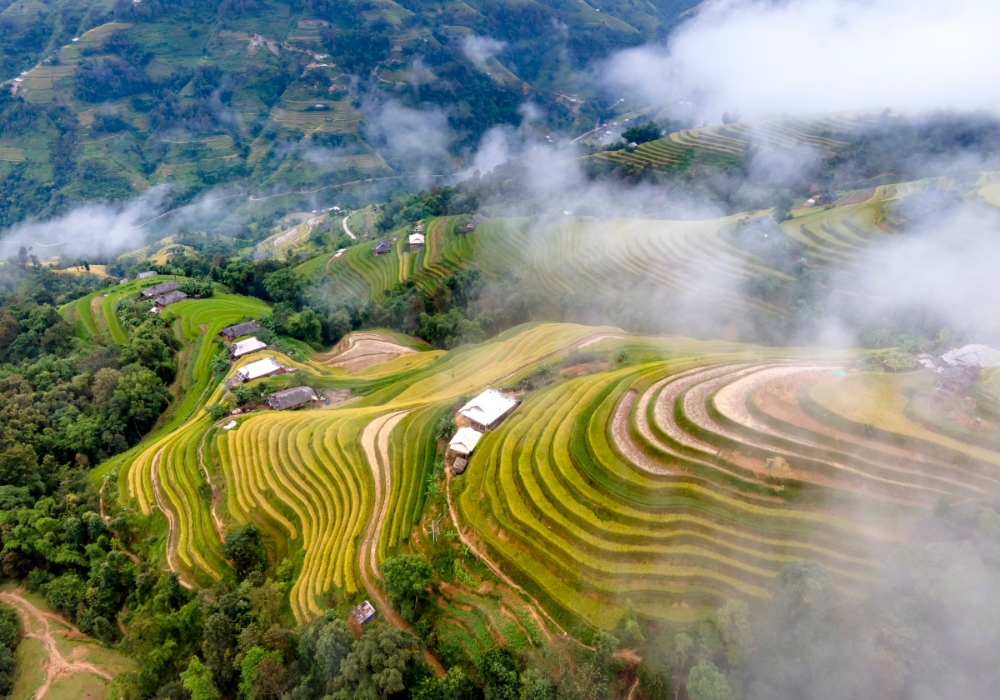
Green Season (July to August)
In July and August, many terraces are vivid green. The highlands can feel cooler than the lowlands, but this is also a rainy period, with slippery trails and possible road disruption.
Green season can be rewarding if you enjoy lush scenery and can keep your plans flexible. Check mountain weather and road conditions with local hosts.
Rice ripening depends on planting dates, elevation and weather. Treat seasonal windows as a guide rather than a promise, and check local reports as your trip approaches.
Vietnam Tour Fun can tailor a highland journey to your dates, walking preferences and accommodation needs. We can discuss recent field conditions and sensible adjustments where the itinerary allows.
Sapa and Hoang Su Phi can be included in a longer northern circuit or a custom trip. The number of stops should leave enough time for the journeys between them.
“The itinerary balanced guided tours, cultural activities, transportation, and free time perfectly. A seamless, memorable trip of a lifetime.” — Phillip Harrison, verified Google review
“From start to finish, every detail was taken care of. The level of organization and the care we received throughout the journey exceeded our expectations.” — Jamie Murphy, verified Google review
“Everything from the moment we booked months before we travelled was very well coordinated. This tour is a great way to see some of the highlights of Vietnam in a short timeframe.” — Esther, verified Google review
Tell us when you plan to travel, how many days you have and the walking you enjoy. We can suggest suitable bases and a route that balances scenery with a comfortable pace.
View the tour → Best of Vietnam — 14 Days
Chat with us on WhatsApp → wa.me/84962954525
Email: enquiry@vietnamtourfun.com
Hotline: +1 (800) 7956081
Vietnam was named Asia’s Best Culinary Destination at the 2025 World Culinary Awards.
Hanoi also received the award for Asia’s Best Emerging Culinary City Destination, while Capella Hanoi won World’s Best Brunch Venue.
The awards put a spotlight on the variety of food experiences available in Vietnam, from neighbourhood kitchens to contemporary restaurants.
For visitors, food can be a rewarding way to explore a destination: try regional dishes, visit a local market or leave time for a relaxed meal between sightseeing stops.
This article reports the 2025 awards. Award categories recognise particular destinations and venues; they are not a ranking of every meal or restaurant in the country.
Check restaurant opening arrangements and book ahead for any dining experience you especially want to include.
November often brings cooler mornings to northern Thailand and improving conditions on the Andaman coast. It is a rewarding month for nature trips, but weather differs by region: parts of the Gulf coast can still be rainy. Check local forecasts and park access before travelling.
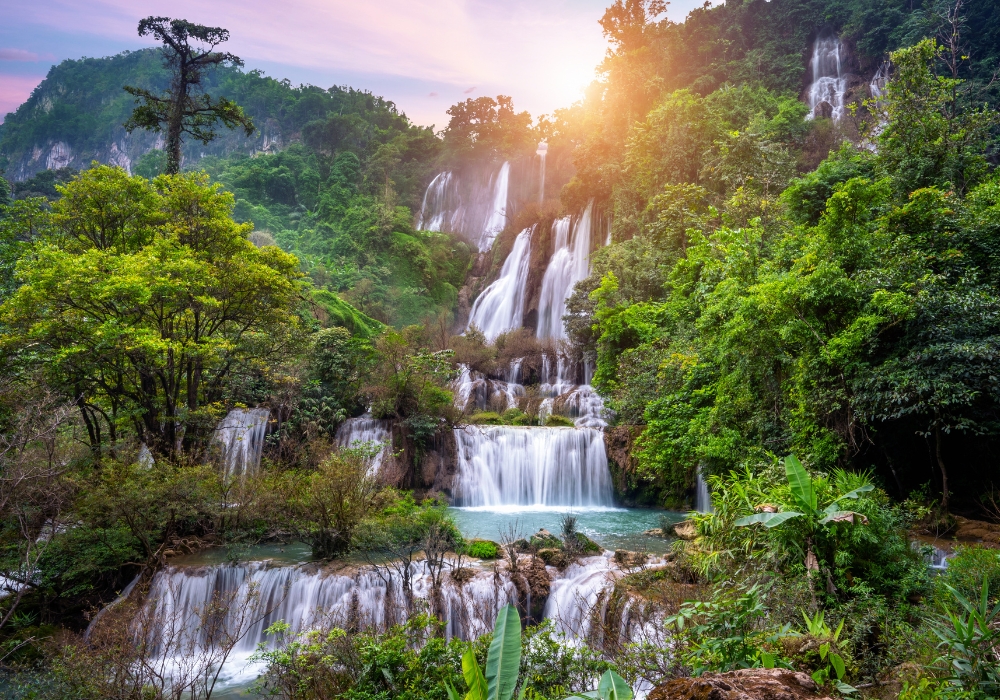
Thi Lo Su Waterfall lies within Umphang Wildlife Sanctuary. Its broad limestone cascades and forest setting are particularly striking after the rainy season.
Getting there takes planning, with winding mountain roads and access that can change with weather and sanctuary rules. Arrange the visit with a local operator and use the designated paths and viewing areas.

Kew Mae Pan is a mountain trail in Doi Inthanon National Park, known for forest, open ridges and views across the valleys. Its season normally begins around November after the wet-season closure; confirm the current opening notice before travelling.
The roughly three-kilometre walk includes uneven ground and steps. A local guide is required. Bring walking shoes and a warm layer for the high elevation; mist and clear views depend on the weather.
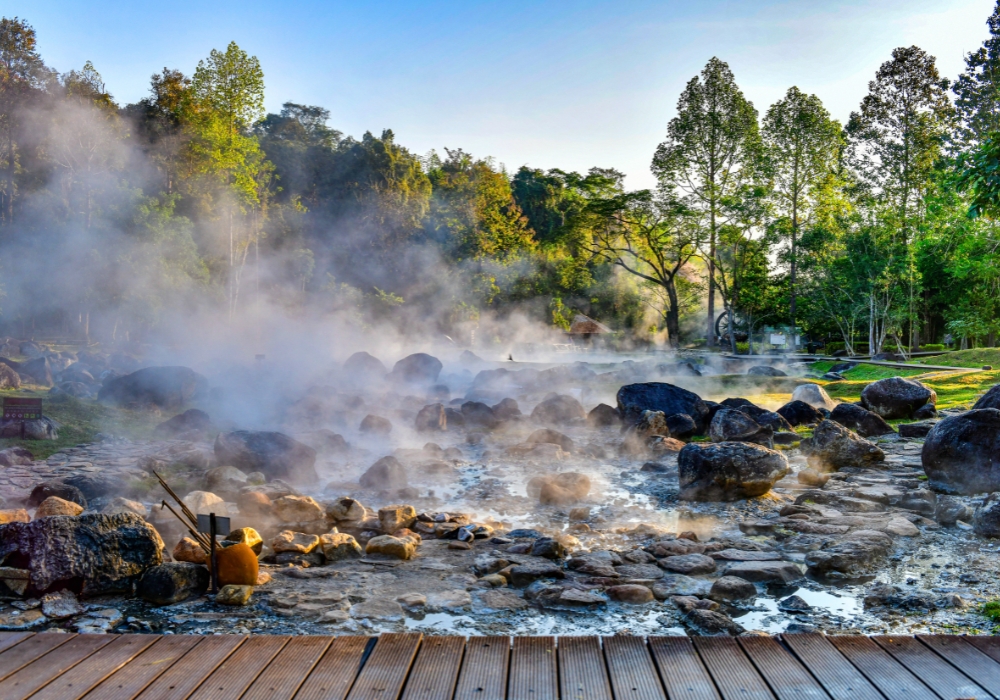
Chae Son National Park in Lampang is known for its hot springs and forest surroundings. It is a pleasant stop for a slower day in northern Thailand.
Use the designated bathing facilities rather than entering the natural hot pools, which can be dangerously hot. Eggs are cooked in a separate designated spring area; follow the staff’s instructions.

Conditions around the Phi Phi Islands often improve as the Andaman rainy season eases, although November can still bring showers and rough seas.
Choose boat trips according to the forecast and follow marine-park rules. Maya Bay has conservation restrictions, including a ban on swimming. On Phi Phi Don, the viewpoint offers a different perspective after a steep walk.
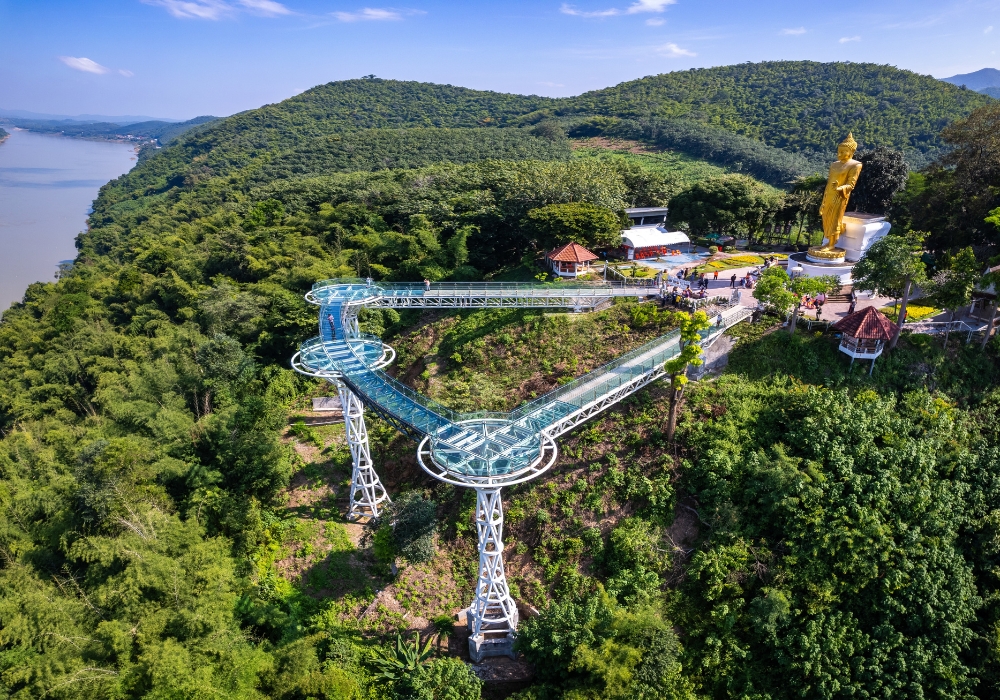
The glass skywalk at Phu Khok Ngio near Chiang Khan offers wide views towards the rivers and the Thai–Lao border. The transparent floor is part of the attraction, though it may not suit visitors uncomfortable with heights.
Morning light can be particularly appealing. Check local opening arrangements and follow staff instructions on the walkway.
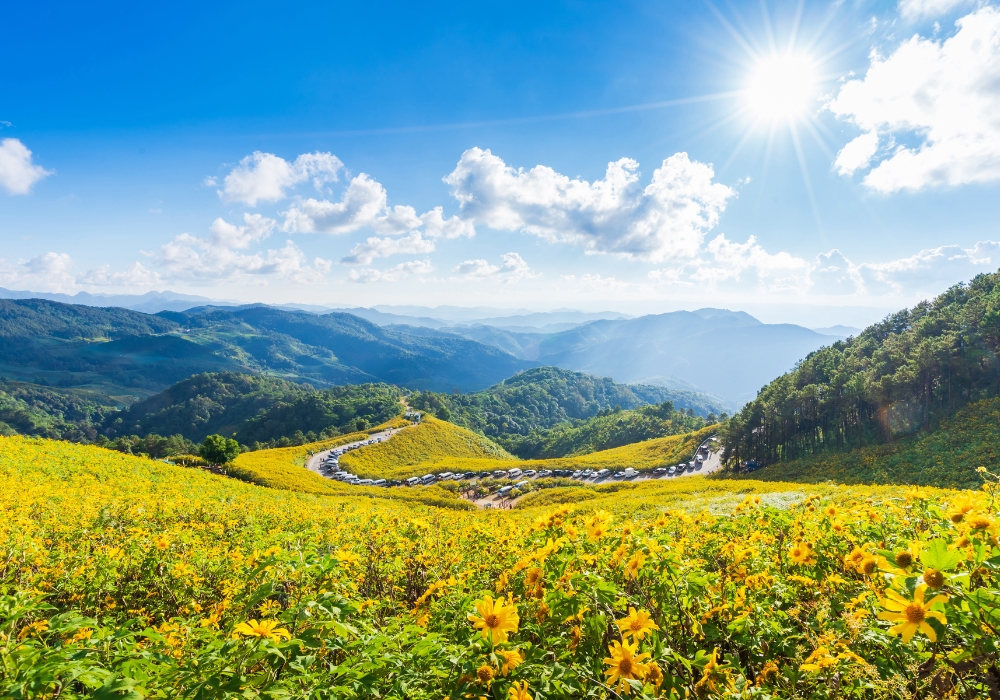
Around November, Mexican sunflowers colour the hillsides at Doi Mae U Kho in Mae Hong Son. The flowering period is seasonal and varies with the weather.
Use the marked paths and viewpoints to enjoy the flowers without damaging them. Check local bloom reports before making the journey.
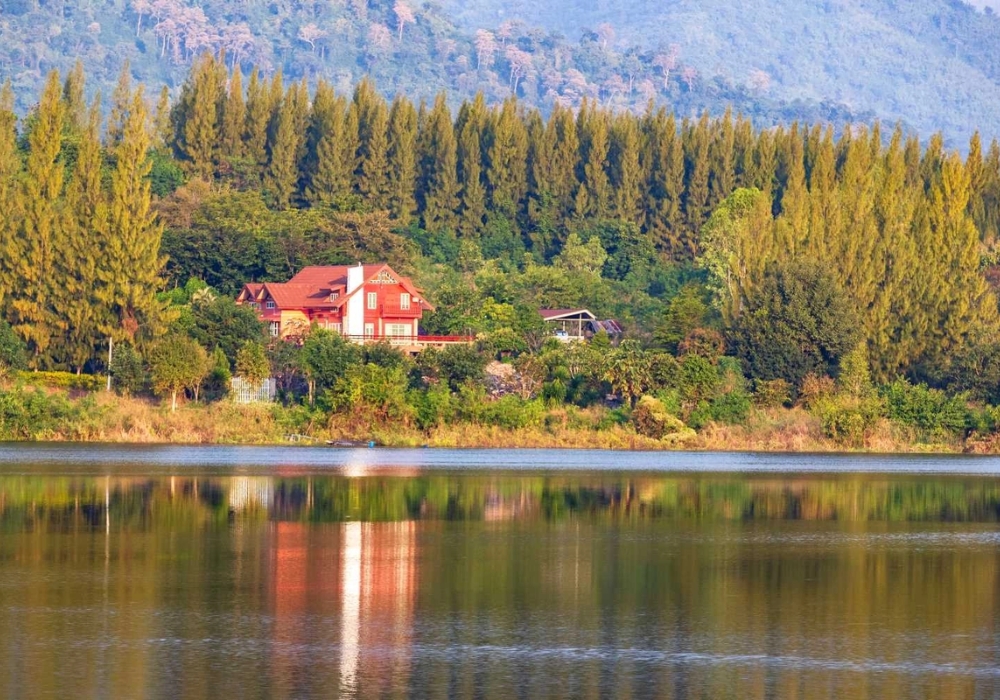
Huai Tha Khoi Reservoir offers a quieter waterside landscape framed by wooded hills. It suits visitors looking for a slower stop away from the busier attractions.
If you plan to camp or stay nearby, confirm arrangements with a local host in advance. Facilities and access can be limited, so plan transport and supplies before setting out.
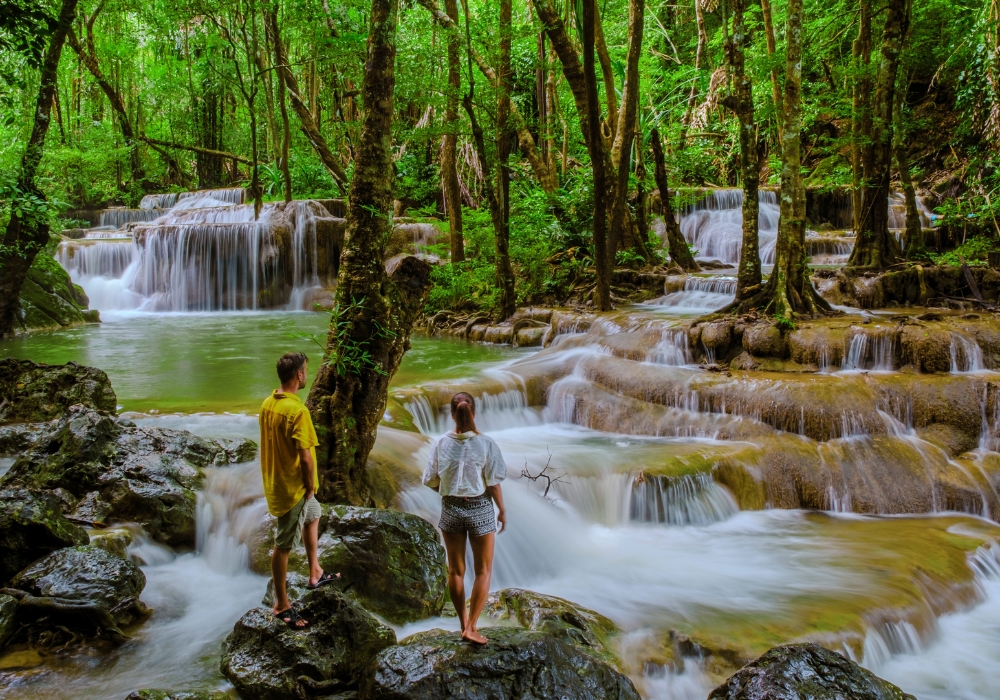
Erawan Waterfall in Kanchanaburi has seven tiers connected by forest paths. The lower levels are easier to reach, while the upper trail becomes more demanding.
Swimming is permitted only in areas opened by park staff and may be restricted after rain. Follow life-jacket requirements and avoid slippery rocks and waterfall edges.

Yun Lai Viewpoint is near Pai in Mae Hong Son. It overlooks the valley and is popular for sunrise, when low cloud sometimes gathers below the hills.
Arrive with a warm layer for the early morning and leave time to enjoy a drink and the view. A sea of mist is possible, but never guaranteed.
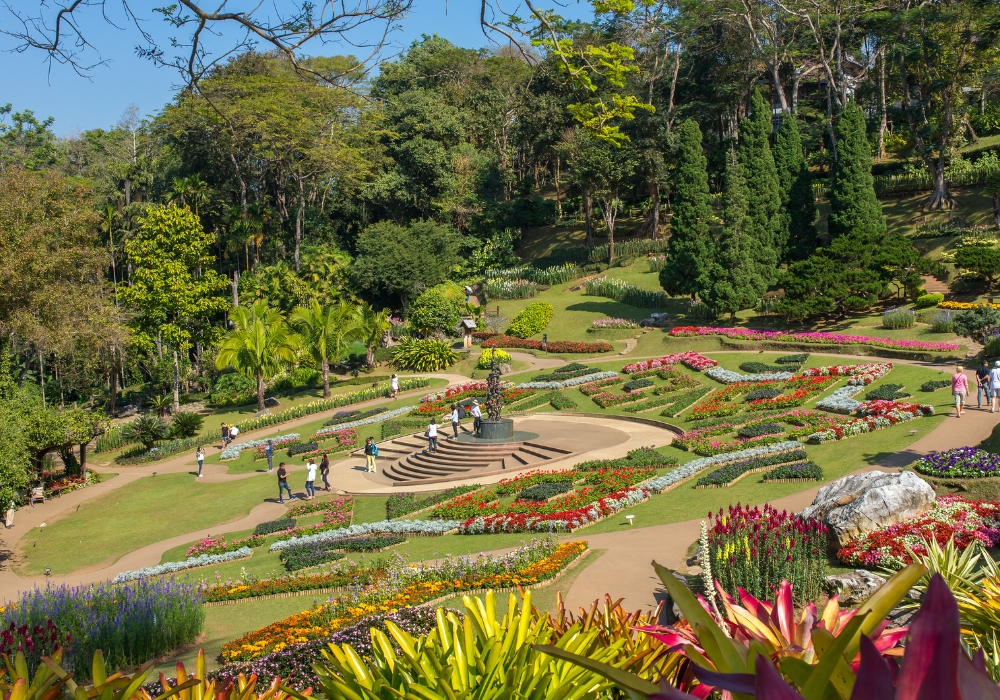
Mae Fah Luang Garden, part of the Doi Tung Development Project in Chiang Rai, offers landscaped flower beds, trees and garden paths in a mountain setting.
It is an appealing stop for visitors who prefer a garden walk to a longer hike. Planting and flowers change with the season, so allow time to enjoy the garden as you find it.

Koh Kood is known for beaches, palms and a relaxed pace. November often marks the transition towards its drier season, although rain and rough seas can still affect boat services. Leave room in your plans for changing conditions and choose activities according to local advice.
Choose a few places that work together geographically, and leave time to enjoy them. Thailand’s varied landscapes are best experienced at a comfortable pace.
Further information: Kew Mae Pan visitor information; Yun Lai visitor information.
Lo Lo Chai and Quynh Son joined UN Tourism’s Best Tourism Villages list in 2025, bringing Vietnam’s total at that time to five. The earlier recipients were Thai Hai, Tan Hoa and Tra Que.
The 2025 awards were announced on 17 October. They recognise rural destinations for tourism development that supports communities, cultural heritage and the environment. Here is a closer look at the five Vietnamese villages honoured by the end of 2025.
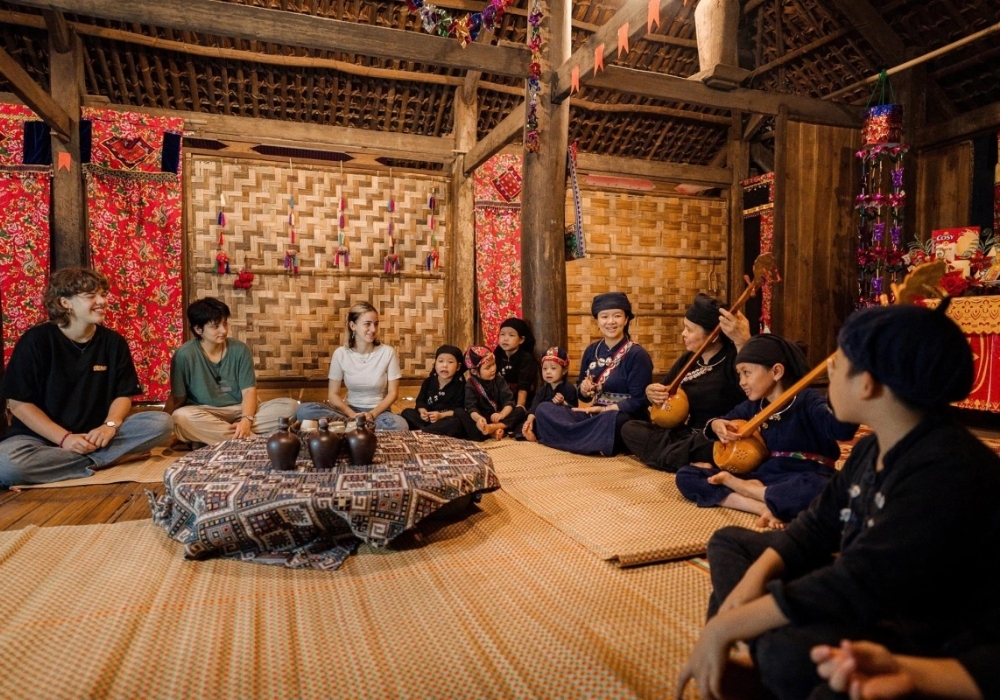
Thai Hai received the award in 2022. This village preserves Tay cultural traditions through its stilt houses, community life and visitor experiences.
Restored wooden stilt houses stand among greenery, giving visitors an introduction to local architecture and rural surroundings.
Depending on the programme available, visitors can learn about weaving, tea growing, farming and traditional food preparation with local hosts.
Then singing and the tinh lute are part of the community’s cultural heritage. Choose locally hosted activities and ask before photographing people or entering homes.
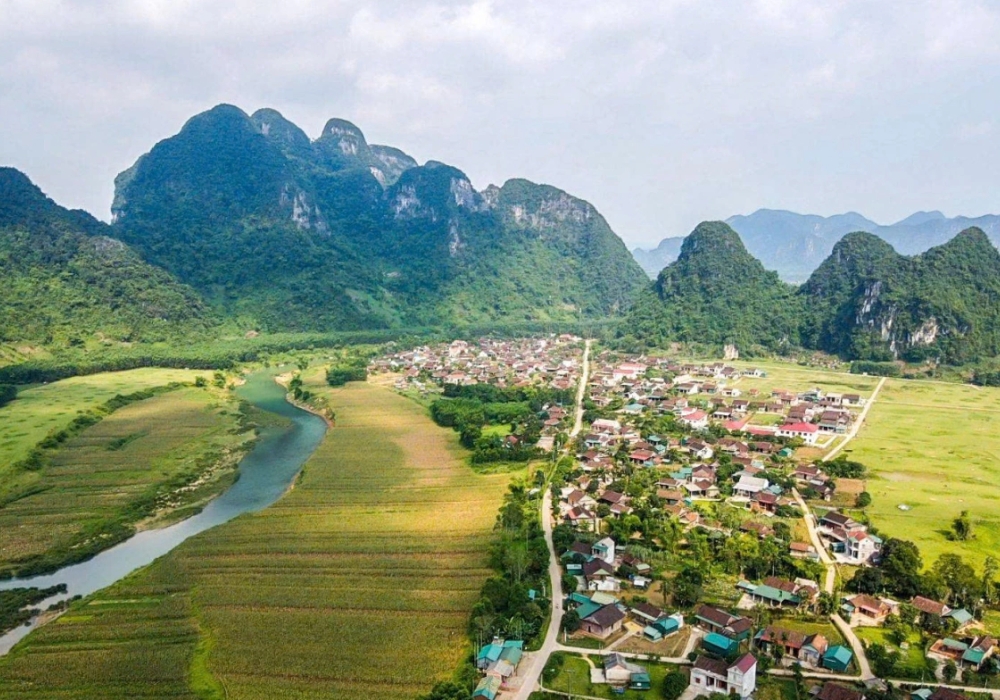
Tan Hoa was recognised in 2023. Set among limestone mountains and valleys, the village has developed community-based tourism alongside the surrounding cave landscape.
Activities in the area include authorised excursions to the Tu Lan cave system, village meals and homestays. Choose an itinerary suited to your fitness and check seasonal access with the operator.
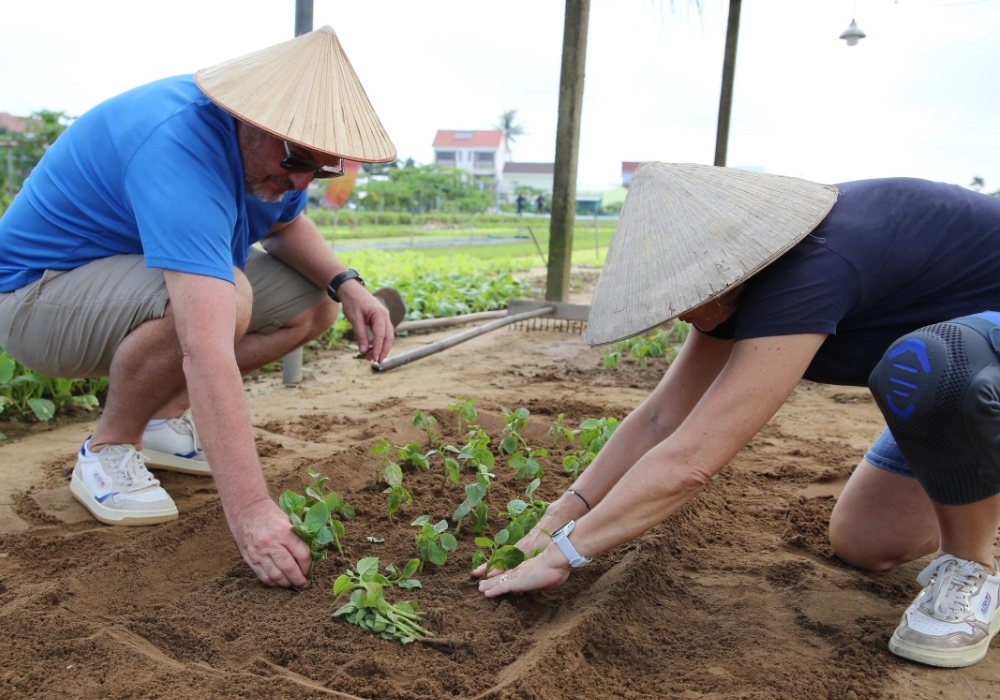
Tra Que Vegetable Village received the award in 2024. A short trip from Hoi An Ancient Town, it is known for its vegetable plots and farming traditions.
Neat beds of herbs and vegetables form the heart of the village. Farming and cooking activities offer a closer look at the ingredients used in local meals.
Walk or cycle along the paths, or arrange an activity with a local host. Early morning and late afternoon are often more comfortable for exploring; avoid stepping into cultivated plots without an invitation.
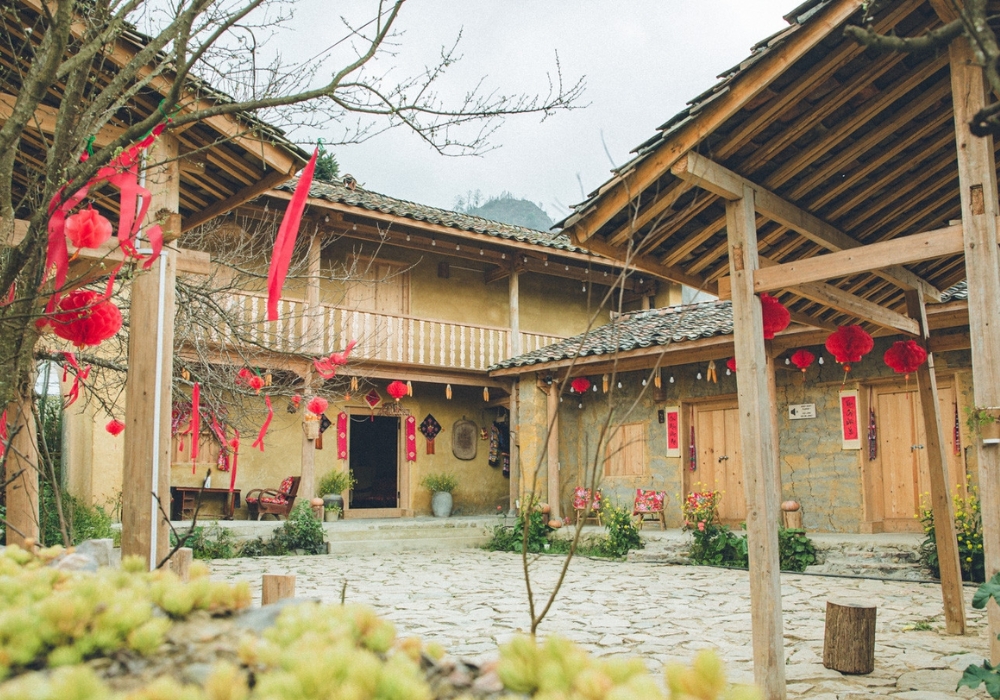
Near Lung Cu Flag Tower, Lo Lo Chai is known for Lo Lo cultural heritage, earthen-walled houses and tiled roofs against a dramatic mountain backdrop.
Community-run stays and local food offer opportunities to spend more time in the village. Respect private homes and ask permission before taking portraits.
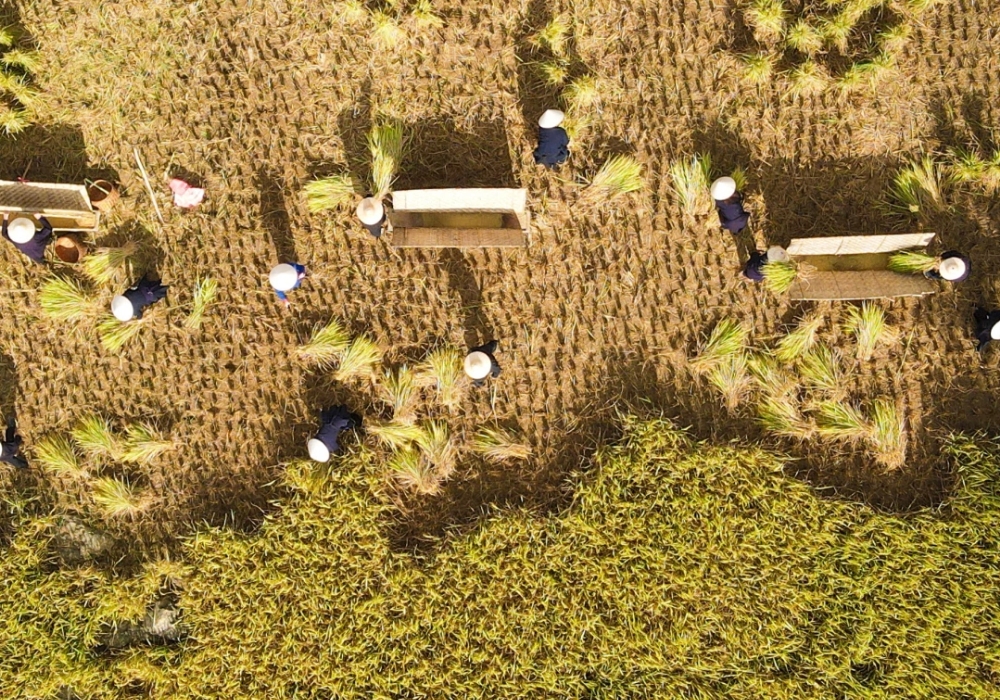
Quynh Son lies in the Bac Son Valley, within Lang Son UNESCO Global Geopark. Tay stilt houses and rice fields are central to its landscape and community life.
Visitors can arrange homestays, local meals and cultural activities with community hosts. Nearby Na Lay Mountain offers valley views for those prepared for the climb; check access and conditions before visiting.
Further information: UN Tourism: Lo Lo Chai; Vietnam News Agency: the two 2025 village award winners.
Japan offers an appealing mix of historic temples, lively neighbourhoods, mountain scenery and regional food. Whether this is your first visit or a return trip, leave room for both the famous sights and the small discoveries along the way.
These ten experiences are a starting point for planning your trip — from Kyoto’s shrines to a relaxing hot-spring stay.
Choose the places that fit your interests and season, rather than trying to see everything in one journey.
1. Gaze at the Majesty of Mount Fuji
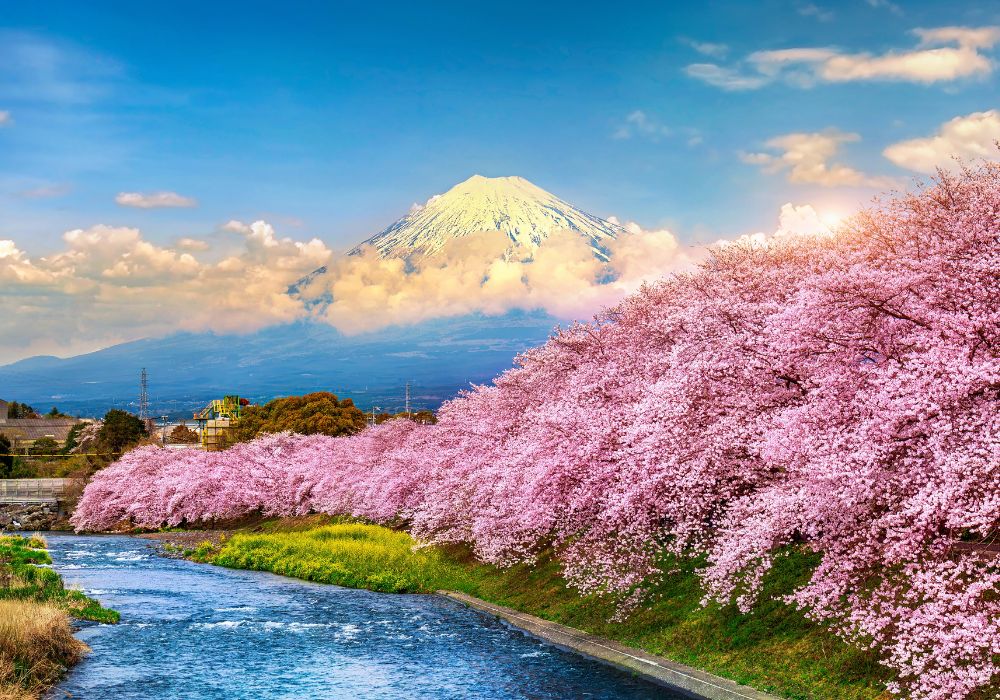
Mount Fuji is Japan’s highest mountain and a cultural landmark. The Fuji Five Lakes region offers rewarding views when the weather is clear. Climbing requires proper mountain equipment, fitness and advance planning; check the official season, trail registration and hut requirements before setting out. Plan adequate rest rather than an overnight dash to the summit.
2. Follow the Torii Gates at Fushimi Inari
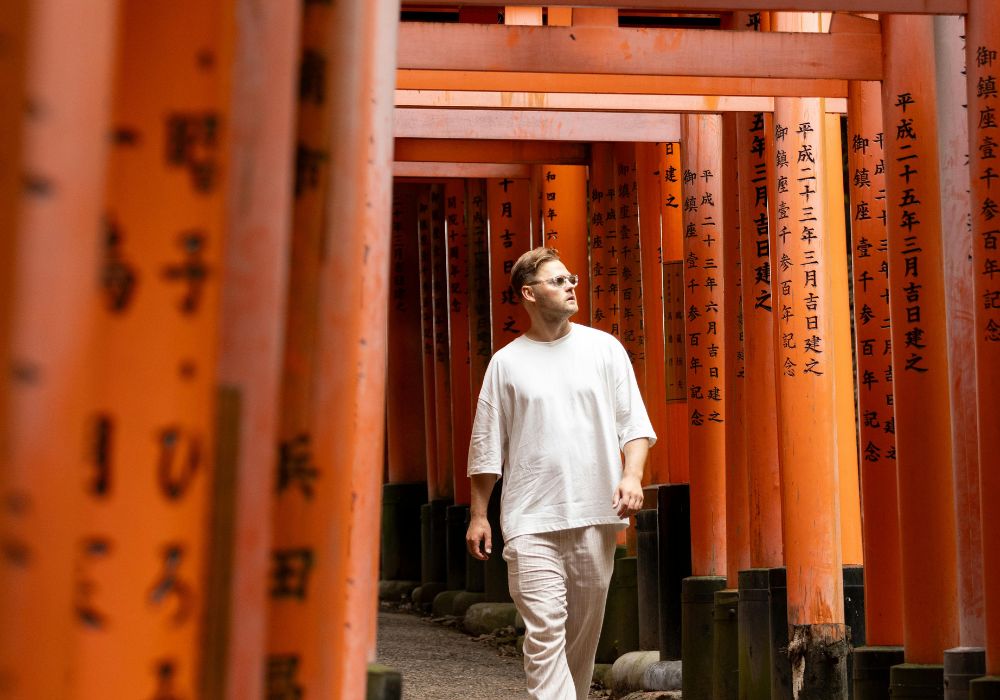
At Fushimi Inari Taisha in Kyoto, paths lined with vermilion torii gates climb the wooded slopes behind the main shrine. The shrine is associated with Inari, the deity of harvests and prosperity. Allow time to wander beyond the busiest entrance area, follow shrine etiquette and keep the paths clear for other visitors.
3. Enjoy Cherry Blossom Season
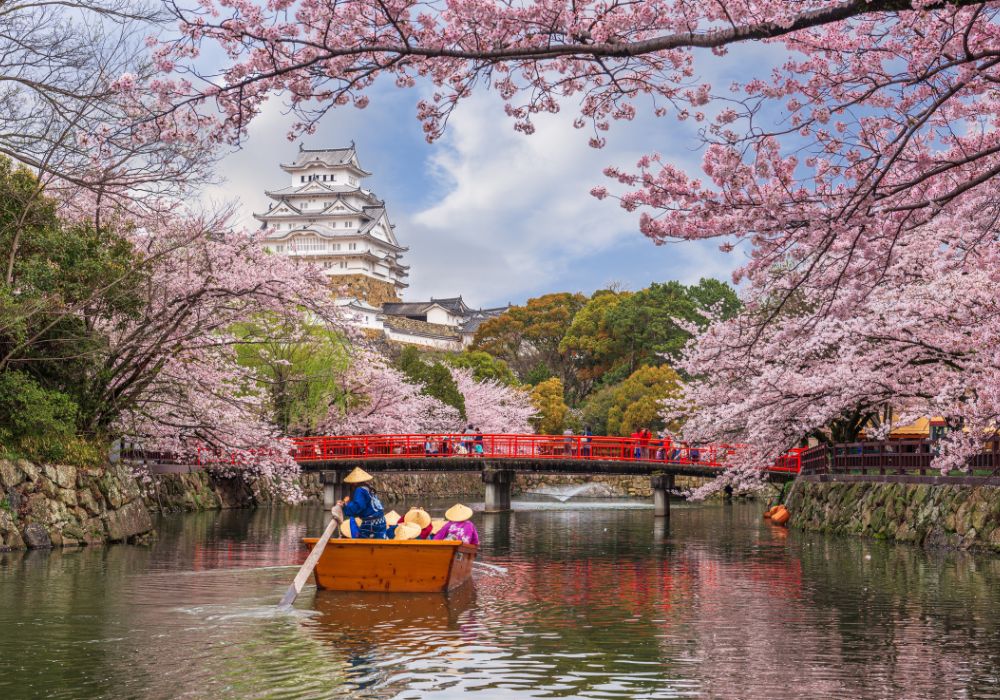
Cherry blossom viewing, or hanami, brings people together in parks and along riversides. Ueno Park in Tokyo and Maruyama Park in Kyoto are well-known spots, while smaller neighbourhood parks can offer a quieter experience. Flowering dates vary by region and weather, so use the latest local forecasts when planning.
4. Zip across Japan on a Bullet Train

Travelling on the Shinkansen is a comfortable way to connect Japan’s major cities. Settle into your seat with an ekiben, a station lunch box, and watch the scenery change between urban districts, farmland and mountains. Give each stop enough time; the train’s speed is an advantage, not a reason to rush your trip.
5. Lose Yourself in Kyoto’s Towering Bamboo Grove
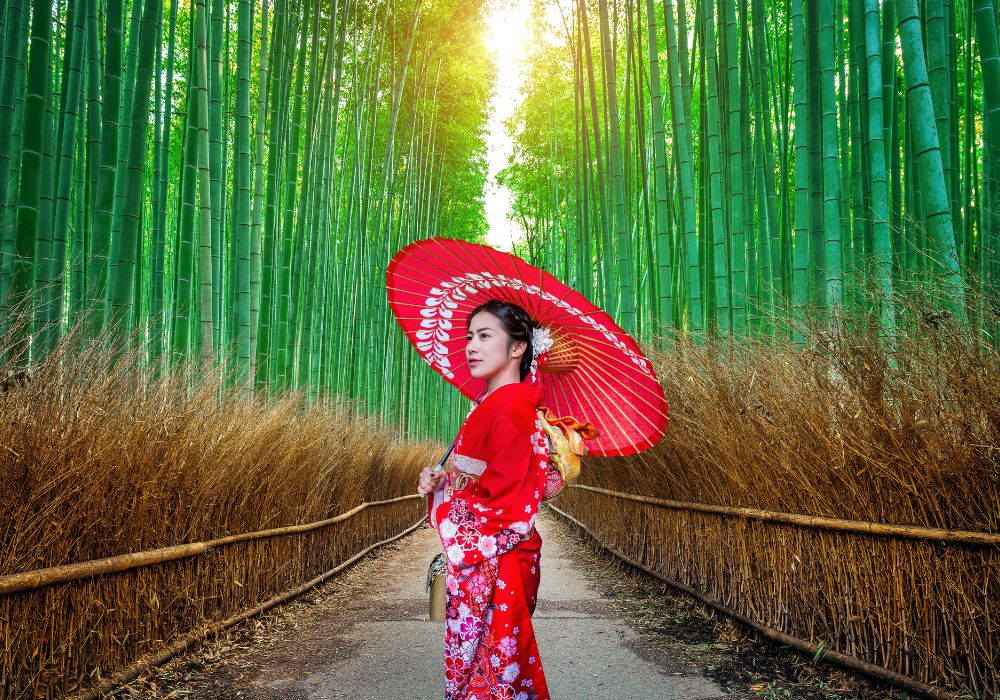
Arashiyama’s bamboo grove is one of Kyoto’s most recognisable sights. Walk beneath tall stalks, then explore the surrounding district and the gardens at Tenryu-ji. Early visits can be quieter, although this remains a popular destination throughout the day.
6. Meet Nara’s Deer and Explore Its Temples
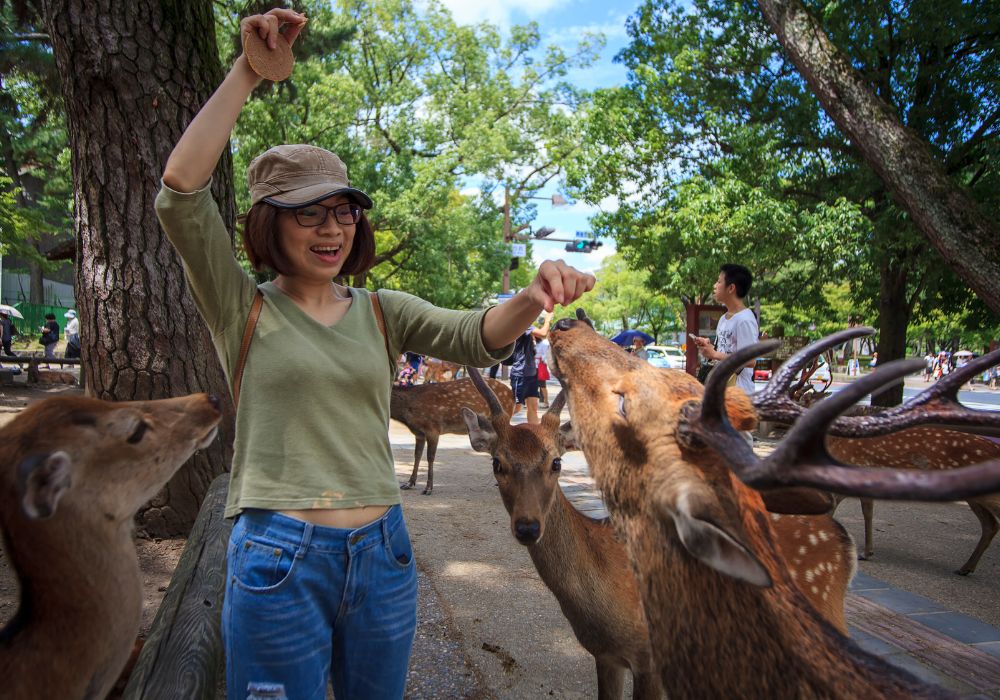
Deer roam freely around Nara Park, alongside sights such as Todai-ji Temple and Kasuga Taisha Shrine. They are wild animals, even when accustomed to people. Give them space, keep food and bags secure, and follow the park’s feeding instructions. Allow time for the temples as well as the deer.
7. Watch Snow Monkeys Soak in Hot Springs at Jigokudani
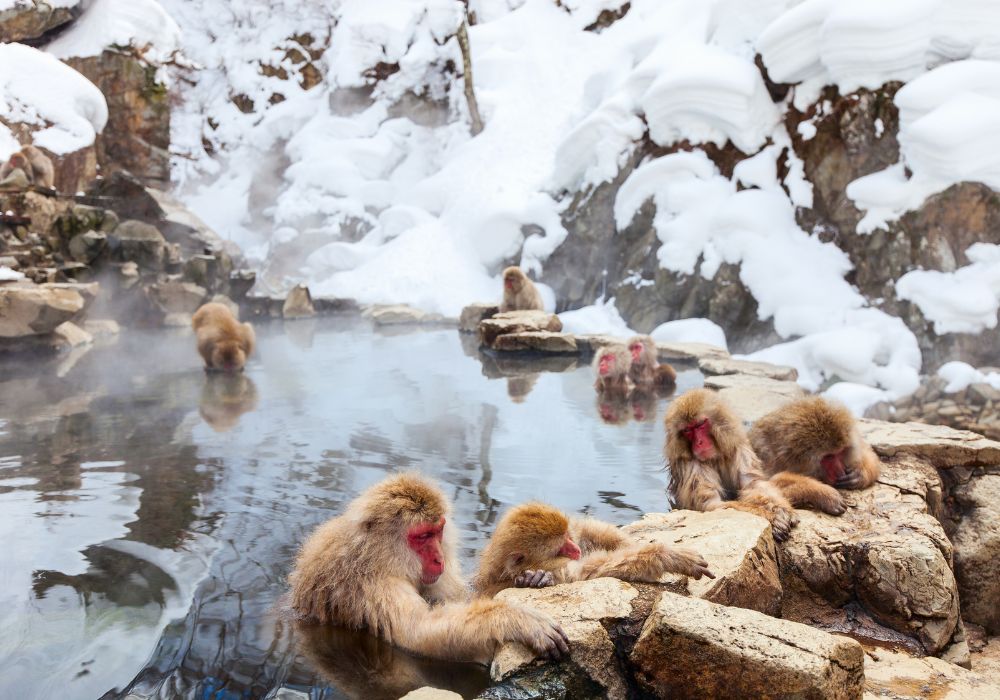
At Jigokudani Monkey Park in Nagano, you can observe Japanese macaques in their mountain habitat. Winter is known for snowy scenes around the hot-spring pool, but sightings and bathing behaviour are never guaranteed. Wear suitable footwear for the forest approach, keep your distance and do not feed or touch the animals.
8. Feel the Energy of a Live Sumo Tournament
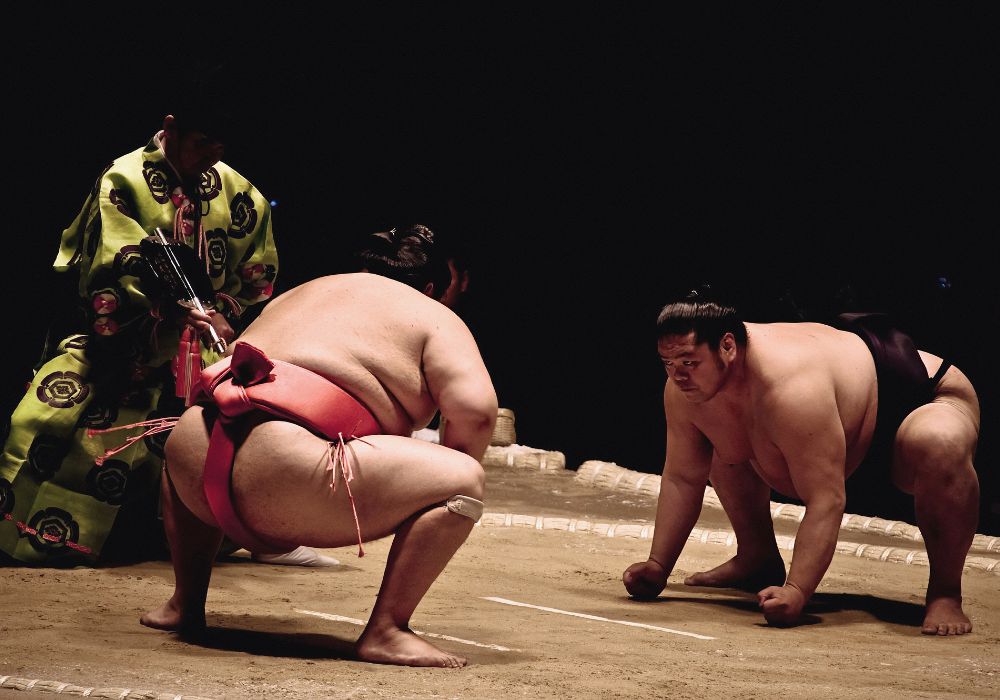
Sumo combines brief, intense bouts with carefully observed rituals. Watching a tournament is a memorable introduction to the sport; check the official schedule and book tickets ahead. Stable visits require advance arrangements and permission, with strict rules for spectators during training.
9. Immerse Yourself in the Japanese Onsen Experience
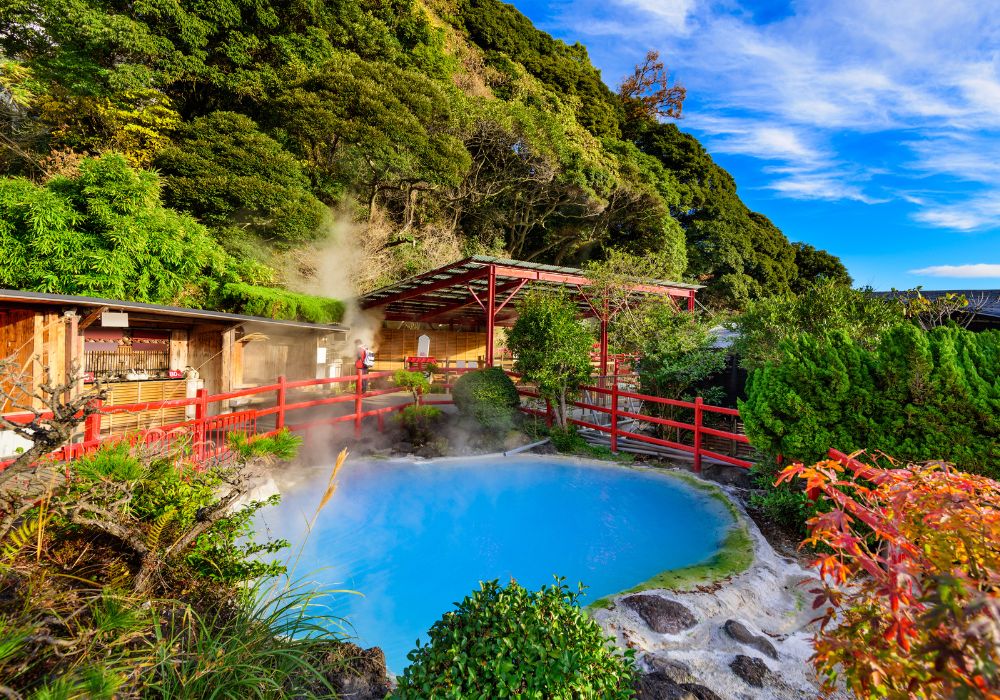
An onsen stay offers a chance to slow down, whether in a mountain village or a larger resort. Wash thoroughly before entering the shared bath and follow the property’s rules on towels, swimwear and tattoos. Private baths may be available if you prefer more privacy. Choose the experience that feels comfortable for you.
10. Savor Authentic Japanese Cuisine

Regional food is a highlight of travel in Japan. Try sushi in Tokyo, takoyaki or okonomiyaki in Osaka, seafood in Hokkaido and seasonal kaiseki meals in Kyoto. Everyday discoveries can be just as enjoyable: a small ramen counter, an onigiri for the train or a bowl of matcha in a tea house.
When to visit: Japan can be visited throughout the year, but weather and seasonal highlights vary considerably between regions. Spring (March–May) and autumn (September–November) are popular for blossoms and foliage, although their timing varies. Winter brings snow sports and onsen stays, while summer offers festivals alongside heat, humidity and occasional severe weather.
Getting Around: Rail is convenient for many routes. Compare individual fares with regional and national rail passes before buying; a pass does not always offer the best value. Local public transport and walking work well for many city visits.
Language: A translation app and a few polite phrases, such as arigato (thank you) and sumimasen (excuse me), can make everyday interactions easier.
Etiquette: Follow signs about shoes, photography and quiet areas. At temples, shrines and public baths, watch the local guidance rather than assuming every venue follows identical rules.
Connectivity: A compatible eSIM, local SIM or pocket Wi-Fi can help with navigation. Check your phone’s compatibility and the coverage included before purchase.
A good Japan itinerary leaves time to enjoy each place. Balance busy city days with gardens, local meals and quieter stops.
Browse more travel ideas from Vietnam Tour Fun as you plan the experiences that matter most to you.
Further information: Official Mount Fuji climbing guidance; Fushimi Inari visitor information.