Treat harvest dates as a seasonal window, not a fixed appointment. Ask about local conditions close to departure and allow flexibility in your route.
By Long Pham, Travel Consultant — Vietnam Tour Fun
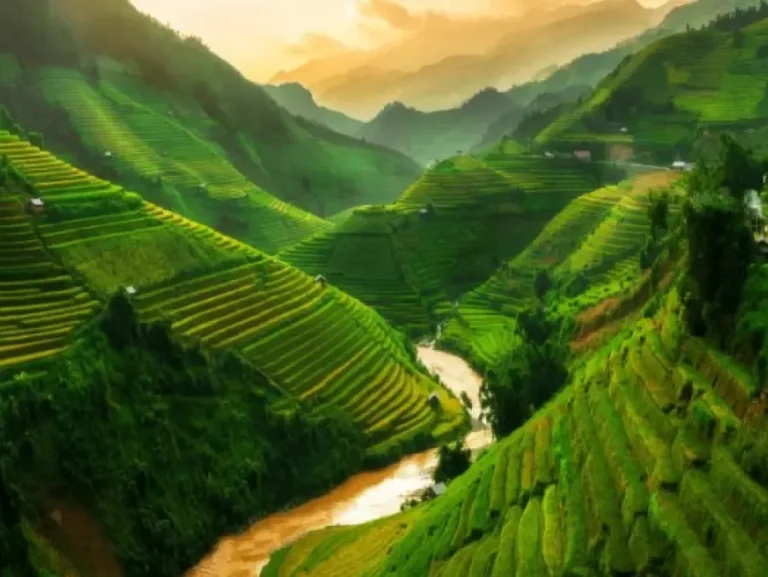
As rice ripens in northern Vietnam’s highlands, terraces turn from green to gold and farming communities begin the harvest. Sapa and Hoang Su Phi both offer striking landscapes, with different travel times, accommodation and walking experiences.
Planning helps you make the most of either destination. This guide compares their scenery and practical demands, while explaining why harvest dates need to stay flexible.
Why Rice Harvest Season Is So Special
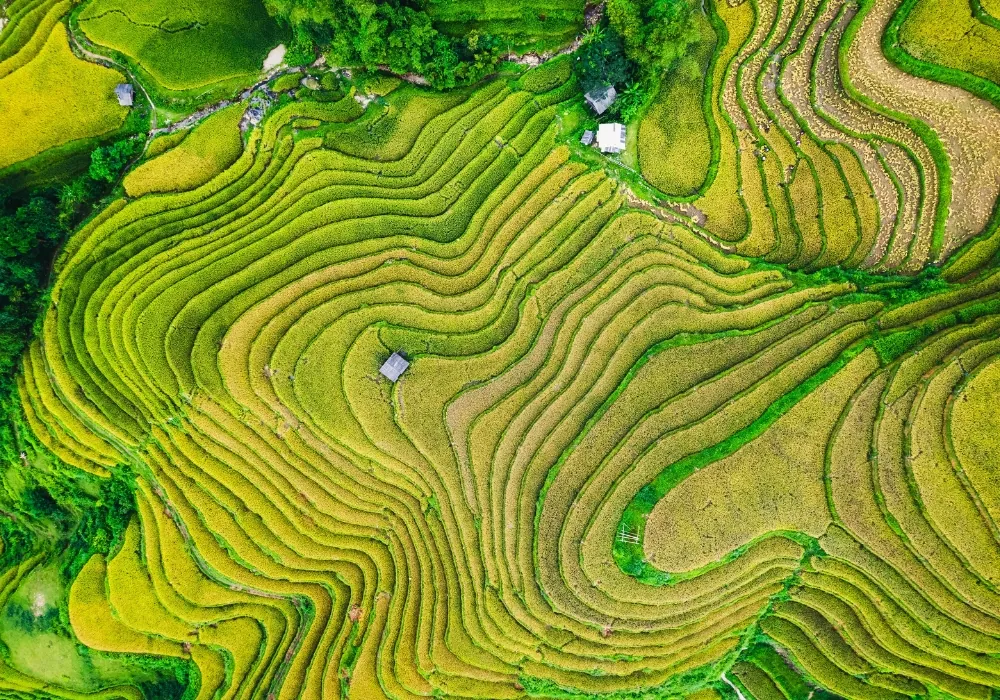
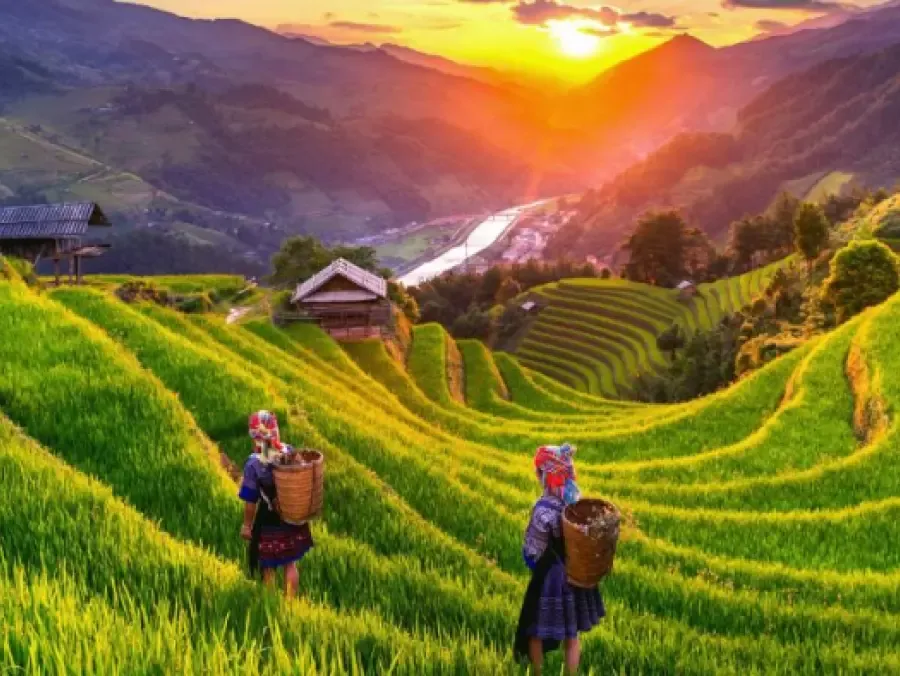
Vietnam’s northern highlands are home to some of the most extraordinary agricultural landscapes in Southeast Asia — terraced fields that follow the natural contours of steep mountainsides, shaped and maintained by ethnic minority communities across generations. At harvest time, these fields turn gold. The transformation lasts only a matter of weeks.
Harvest season brings activity as well as colour. Families work in the paddies, and local paths pass close to fields being cut and gathered. Stay on permitted paths, keep out of the way of farm work and ask before taking portraits.
The highland terraces around Sapa and Hoang Su Phi generally have one main rice crop each year. Lower areas such as Mai Chau and parts of Pu Luong may have two. The exact harvest varies between fields and seasons.
Sapa During Rice Harvest Season
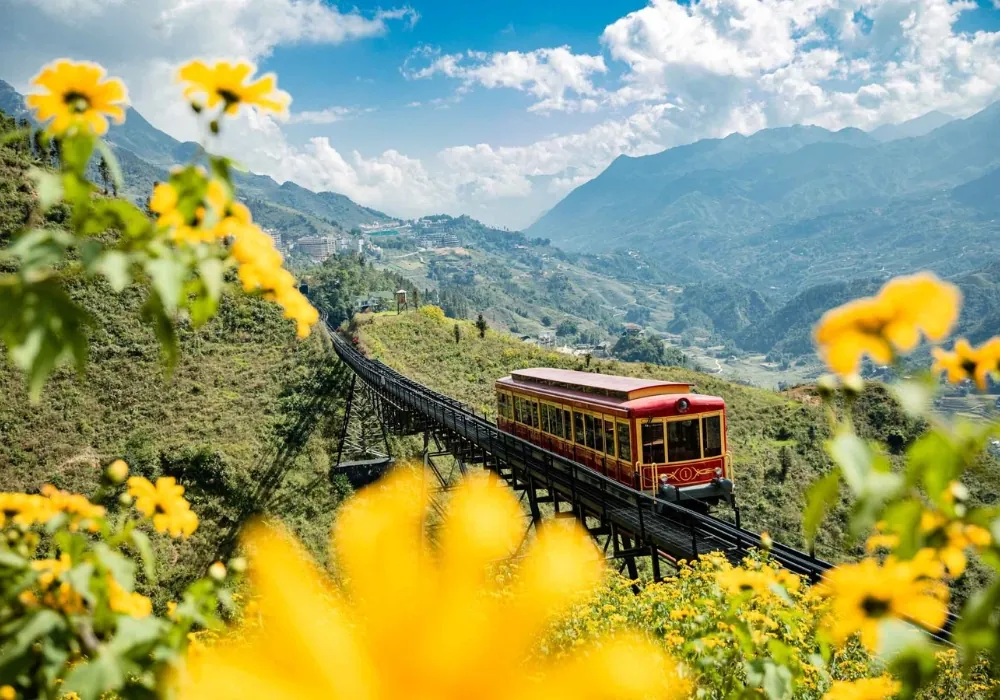
What Makes Sapa Famous
Sapa lies in the Hoang Lien Son mountains. The town has grown into a busy tourism centre, while the surrounding valleys offer terraces, walking routes and villages. Muong Hoa Valley is among the best-known areas to explore.
The terrace system here is one of the most accessible in northern Vietnam. Walking routes pass directly through farming communities, and the combination of scenery and cultural proximity is what earned Sapa its reputation.
What Harvest Season Feels Like in Sapa
Rice around Sapa often ripens from late August through September, with different fields harvested at different times. Expect a mix of green, gold and cut paddies rather than a uniform view. Ask your guide about local conditions shortly before you travel.
A village stay can make it easier to enjoy early walks and quieter parts of the valley. Sapa town offers more restaurants and services, so choose your base according to the kind of stay you prefer.
Weekends during peak harvest are busy. Weekday visits and early starts make a practical difference to how crowded the walking routes feel.
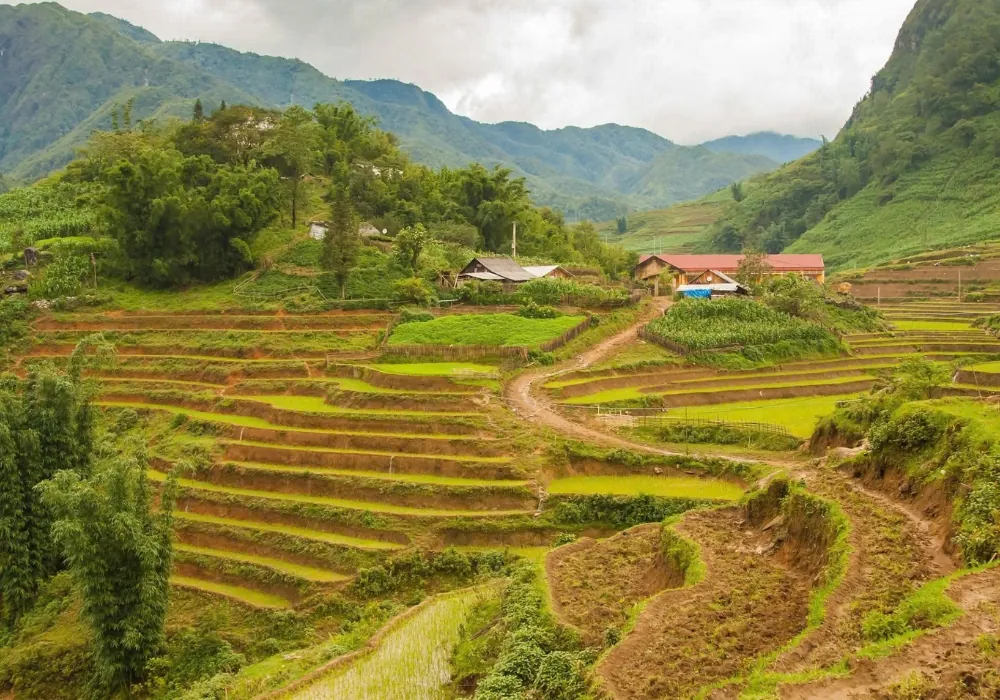
Who Sapa Suits Best
– Travelers visiting northern Vietnam’s highlands for the first time
– Anyone who wants iconic terrace scenery alongside accessible cultural villages
– Walkers who want a choice of routes, with difficulty checked in advance
– Families and travelers who want comfortable overnight village accommodation
– Travelers who want to pair highland scenery with a Red Dao textile encounter in the quieter valleys southwest of town
Interested in Sapa during harvest season? We can match you to the right village base, trail level, and timing.
Email us → enquiry@vietnamtourfun.com
Hoang Su Phi During Rice Harvest Season
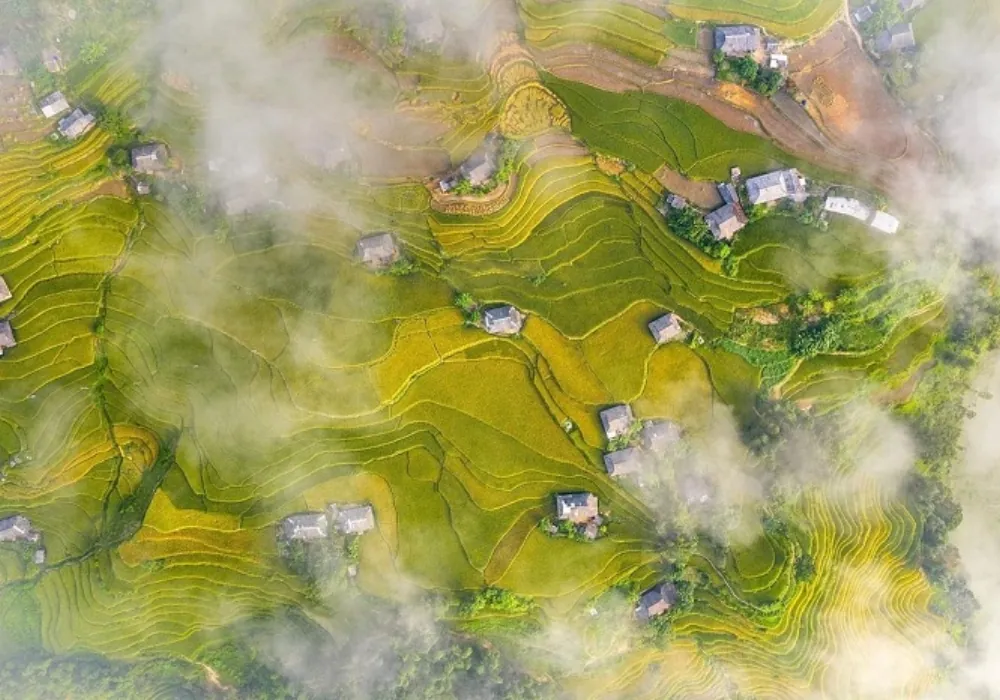
What Makes Hoang Su Phi Famous
Hoang Su Phi usually takes more time to reach because of its winding approach roads. It receives fewer visitors than Sapa’s busiest areas and suits a trip with time for slower travel.
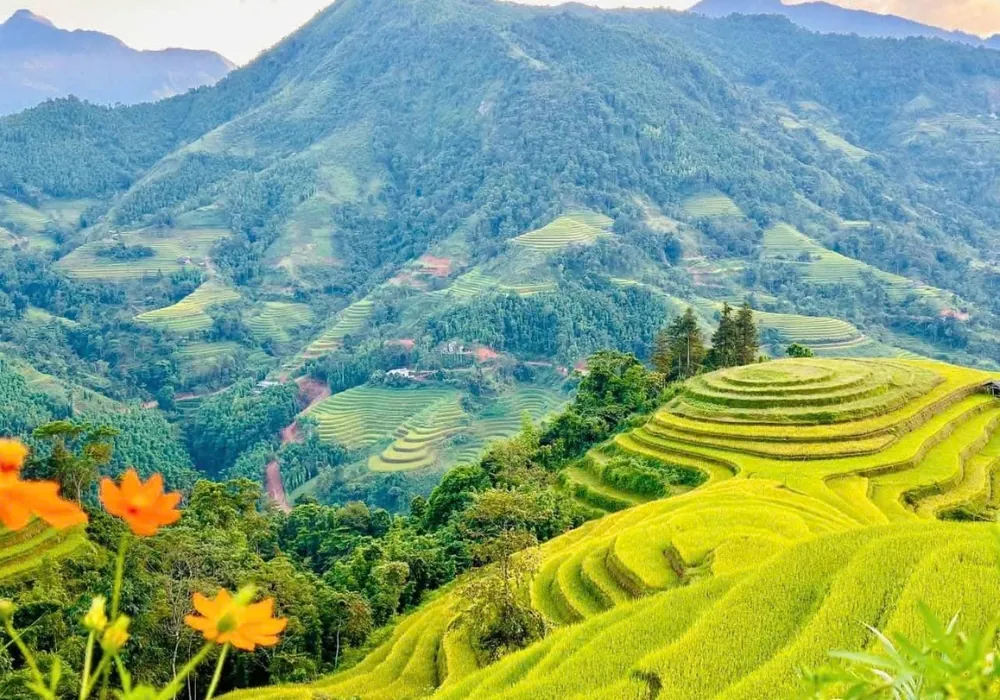
Around Ban Phung and other terrace areas, fields climb steep hillsides shaped by generations of local farming. La Chi and other communities are central to this landscape. Some terrace areas hold national heritage recognition.
What Harvest Season Feels Like in Hoang Su Phi
Hoang Su Phi’s harvest is generally associated with September and October, but timing varies considerably by village and year. It should not be assumed to follow Sapa by a fixed number of weeks. Combining them requires checking conditions in both places.
Village walks can introduce you to local farming, textiles and traditional crafts where hosts welcome visitors. Arrange these encounters respectfully and remember that daily work takes priority over sightseeing.
Bring enough cash for smaller businesses and expect variable mobile coverage. Mountain roads can be affected by heavy rain, so use an experienced driver and keep some flexibility in the itinerary.
Who Hoang Su Phi Suits Best
– Travelers who have already visited Sapa or another highland destination and want something further off the established route
– Travellers interested in locally hosted village visits and a quieter pace
– Photographers looking for dramatic, steep terrace compositions rather than wide valley panoramas
– Travellers comfortable with fewer services and accommodation that varies in standard
– Travelers on a longer circuit who want to finish the highlands on a note that feels genuinely remote
Interested in Hoang Su Phi? We can advise on field conditions, the right base, and how to time it alongside Sapa.
Chat with us on WhatsApp → wa.me/84962954525
Sapa vs Hoang Su Phi: How to Choose
Both destinations offer genuine harvest season experiences. The right choice depends on what kind of travel experience you are looking for, your comfort with remote conditions, and how much of the northern circuit you can fit into your trip.
| Sapa | Hoang Su Phi | |
|---|---|---|
| From Hanoi | Allow around 5–6 hours or more by road | Allow around 6–8 hours or more, depending on the village |
| Terrace style | Broad valleys and terraces; some steep trails | Steep, dramatic hillside terraces |
| Landscape scale | Expansive valley, accessible on foot | Steep hillsides and winding access roads |
| Peak harvest | Often late August–September; varies by field | Often September–October; check locally |
| Crowds | Popular; busier on weekends | Quieter overall; popular periods can still be busy |
| Trekking difficulty | Varies by route; easy walks to demanding treks | Uneven terrain; some steep routes |
| Cultural experience | Black Hmong and Red Dao villages | La Chi and Dao communities |
| Best for | First-time highland visitors | Repeat visitors seeking something remote |
On a small screen, swipe the table sideways to see all columns.
A longer northern itinerary can include both destinations, but the route should follow your travel dates, field conditions and preferred pace. Allow for long transfers rather than treating the two areas as neighbouring day trips.
Sapa offers a wider choice of services and walking routes. Hoang Su Phi may suit travellers who prefer quieter areas and are comfortable with longer journeys and fewer facilities.
Beyond Harvest Season: Other Beautiful Times to Visit
The harvest window is narrow and special. But it is not the only time these highlands are worth visiting. Here is an honest picture of what other seasons look like.
| Season | Timing | What you see |
|---|---|---|
| Mirror / Planting Season | May to June | Flooded paddies during preparation and planting; timing varies locally. |
| Green Season | July to August | Green rice fields and warm, wet weather; showers can affect trails. |
| Harvest Season | September to October | Rice turns gold at different times by village and elevation. |
| Winter / Misty Season | November to February | Cold, sometimes misty conditions; many fields are fallow. Snow is uncommon and not a reason to expect a winter visit to be snowy. |
On a small screen, swipe the table sideways to see all columns.
Mirror Season — Planting Season (May to June)
During field preparation and planting, water can reflect the sky and surrounding slopes. This often occurs around May and June, although individual fields follow different schedules.
Planting season offers a different view of the terraces from the autumn harvest. It also overlaps with warmer, wetter weather, so bring rain protection and allow for muddy paths.
Green Season (July to August)
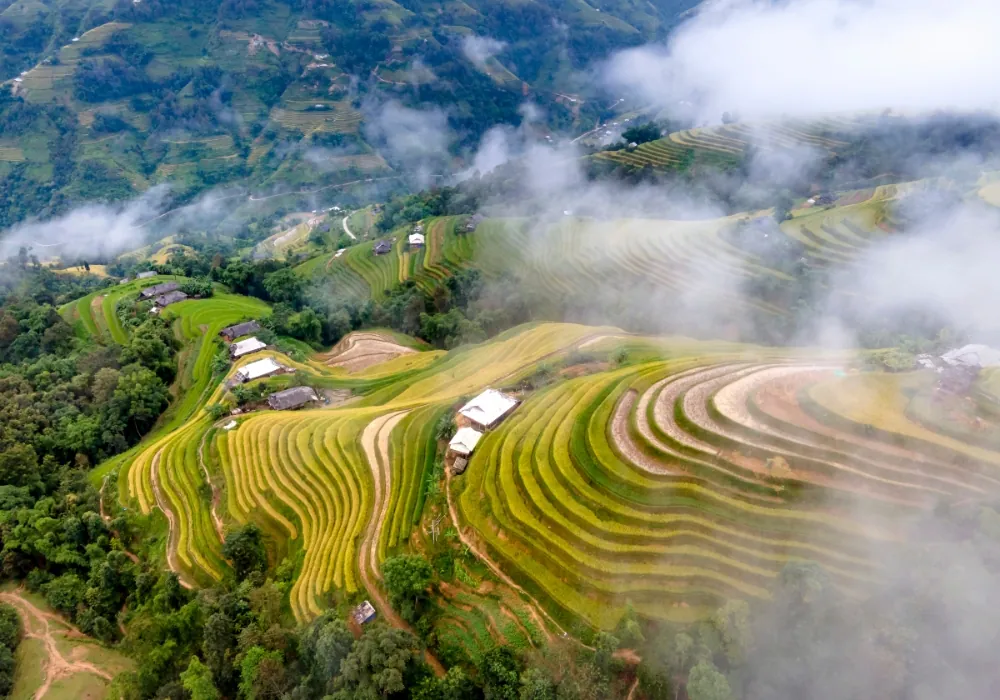
In July and August, many terraces are vivid green. The highlands can feel cooler than the lowlands, but this is also a rainy period, with slippery trails and possible road disruption.
Green season can be rewarding if you enjoy lush scenery and can keep your plans flexible. Check mountain weather and road conditions with local hosts.
Planning Around the Season
Rice ripening depends on planting dates, elevation and weather. Treat seasonal windows as a guide rather than a promise, and check local reports as your trip approaches.
Vietnam Tour Fun can tailor a highland journey to your dates, walking preferences and accommodation needs. We can discuss recent field conditions and sensible adjustments where the itinerary allows.
Sapa and Hoang Su Phi can be included in a longer northern circuit or a custom trip. The number of stops should leave enough time for the journeys between them.
“The itinerary balanced guided tours, cultural activities, transportation, and free time perfectly. A seamless, memorable trip of a lifetime.” — Phillip Harrison, verified Google review
“From start to finish, every detail was taken care of. The level of organization and the care we received throughout the journey exceeded our expectations.” — Jamie Murphy, verified Google review
“Everything from the moment we booked months before we travelled was very well coordinated. This tour is a great way to see some of the highlights of Vietnam in a short timeframe.” — Esther, verified Google review
Start Planning Your Trip
Tell us when you plan to travel, how many days you have and the walking you enjoy. We can suggest suitable bases and a route that balances scenery with a comfortable pace.
View the tour → Best of Vietnam — 14 Days
Chat with us on WhatsApp → wa.me/84962954525
Email: enquiry@vietnamtourfun.com
Hotline: +84 962 954 525
For an itinerary focused on northern landscapes and local life, explore Northern Vietnam: Rice Terraces and Village Life - 13 Days. Discuss your travel dates with our team before choosing the best places for rice-season scenery.