
Start planning Thailand with three questions: what would you like to experience, how much time do you have and when can you travel? This guide helps you turn those answers into a manageable route, from Bangkok and the north to a coastal stay.
Thailand Travel Planning Handbook
Step 1: Choose your destinations
Choose a few places that match your interests rather than trying to cover the whole country. Cities, mountain regions and islands each require different amounts of travel time.
-
Bangkok
Bangkok combines major temples, neighbourhood markets, street food and modern city life. Allow time for the Grand Palace or Wat Arun, but also leave space for a riverside journey and a meal in an area you would like to explore.
Chiang Mai offers temples, markets and access to northern landscapes. If you are considering an elephant experience, look carefully at animal-welfare practices rather than relying on the word sanctuary in the name.

Phuket offers a wide choice of beaches, accommodation and restaurants. Patong is particularly lively, while other areas may suit a quieter stay. Choose your base carefully: travelling across the island can take time.
-
Krabi Province
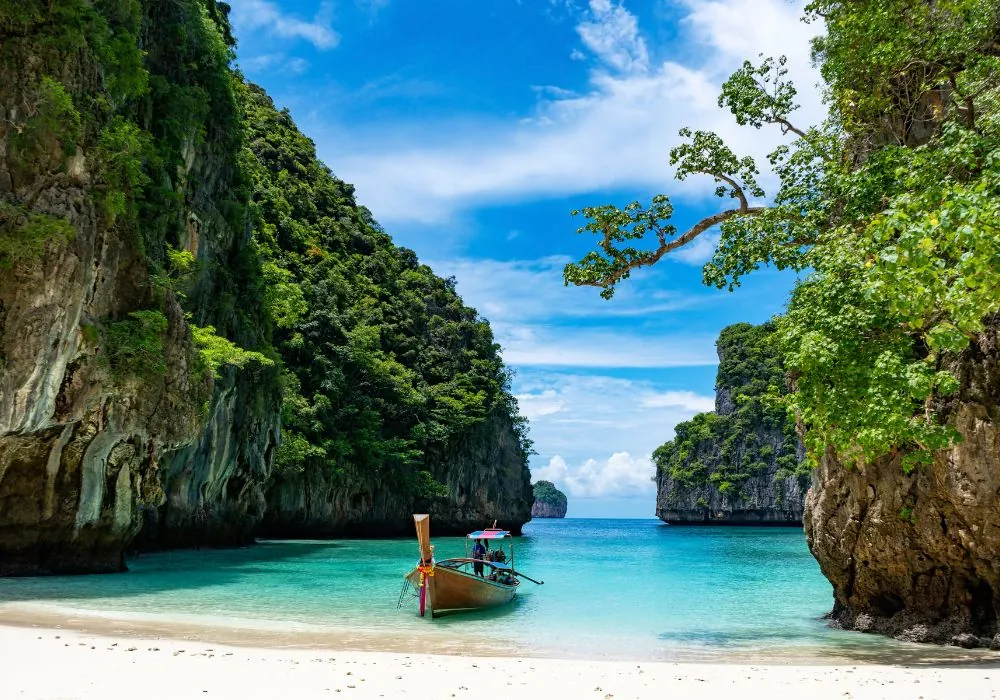
Krabi is known for limestone scenery, beaches and boat excursions. Railay and the Phi Phi Islands are popular, so expect company rather than untouched isolation. Book climbing or diving with qualified operators and check seasonal conditions.
-
National Park Enthusiasts
Khao Yai National Park offers forest trails, waterfalls and wildlife habitat. Follow park rules and use an appropriate guide for longer walks. Wildlife sightings are possible, never guaranteed.
-
Island Explorers
Koh Samui, Koh Tao and Koh Lanta offer different settings and connections. Compare the season, ferry journey, available activities and atmosphere before choosing an island.
-
Cultural/History Hub Seekers
Ayutthaya can be visited from Bangkok, while Sukhothai requires a separate journey. Both offer historic temple sites and a chance to learn about earlier kingdoms.
Step 2: Decide How Long You’ll Stay
Count transfer days as part of your holiday. Moving less often usually leaves more time to enjoy each place.
-
3-4 days: A brief glimpse
If you have only a few days, it’s best to concentrate on one region to minimize travel time.
Choosing Bangkok allows you to experience a glimpse of Thailand’s vibrant culture, delicious cuisine, and bustling energy. You’ll have time to visit famous landmarks like the Grand Palace or Wat Arun and enjoy a scenic cruise along the Chao Phraya River.
For a quick beach escape, you might opt for a direct flight to Phuket or Krabi, where you can relax on the breathtaking beaches.
-
1 week: A taste of the variety
With a week, two bases often work better than three, especially if a flight or ferry is involved.
One option is Bangkok followed by Chiang Mai, balancing city sightseeing with northern culture.
Alternatively, combine Bangkok with one beach base. Add island excursions only when they fit the weather and leave enough time to relax.
-
2-3 weeks: The full spectrum
An extended stay offers the chance for a more thorough exploration of Thailand.
Start in Bangkok, then head north to Chiang Mai and possibly Chiang Rai to take in the cultural sights. Afterward, make your way south to discover the diverse landscapes and unwind on the beaches of the Thai islands, with options like Phuket, Krabi, Koh Samui, or the quieter Koh Lanta.
A national-park or historical stop can add variety, but place it logically along the route rather than adding a long detour at the end.
Step 3: Choosing the Right Time for Your Thai Trip
Thailand’s weather varies by region. Choose the coast and activities around your dates, and keep some flexibility for heavy rain or rough seas.
-
Cooler months in much of the country
November to February is often a comfortable period for exploring Bangkok and northern Thailand, with cooler mornings in the north. Popular places can be busy and accommodation more expensive.
-
Hot and transitional periods
March and April can be very hot. October is a transition month in many areas, but neither month guarantees dry weather or low prices. Songkran in April can bring additional demand.
-
Festive Rush (Christmas and New Year)
Christmas and New Year are busy in many resort areas. Book earlier if you need particular hotels or flights, while checking cancellation conditions.
-
Regional rainy seasons
The southwest monsoon commonly brings wetter weather and rougher seas to the Andaman coast from around May to October. The lower Gulf islands, including Koh Samui, have a different rainfall pattern, often with heavy rain later in the year. Check local forecasts and park or ferry restrictions for your dates.
Step 4: Set Your Trip Budget
Build a budget around your actual route, accommodation standard and travel style. Include flights, transfers, meals, activities, insurance and a contingency.
-
Accommodation
Compare total room costs, including taxes, breakfast and cancellation terms. Island resorts and holiday periods may cost considerably more than a simple mainland stay.
-
Food
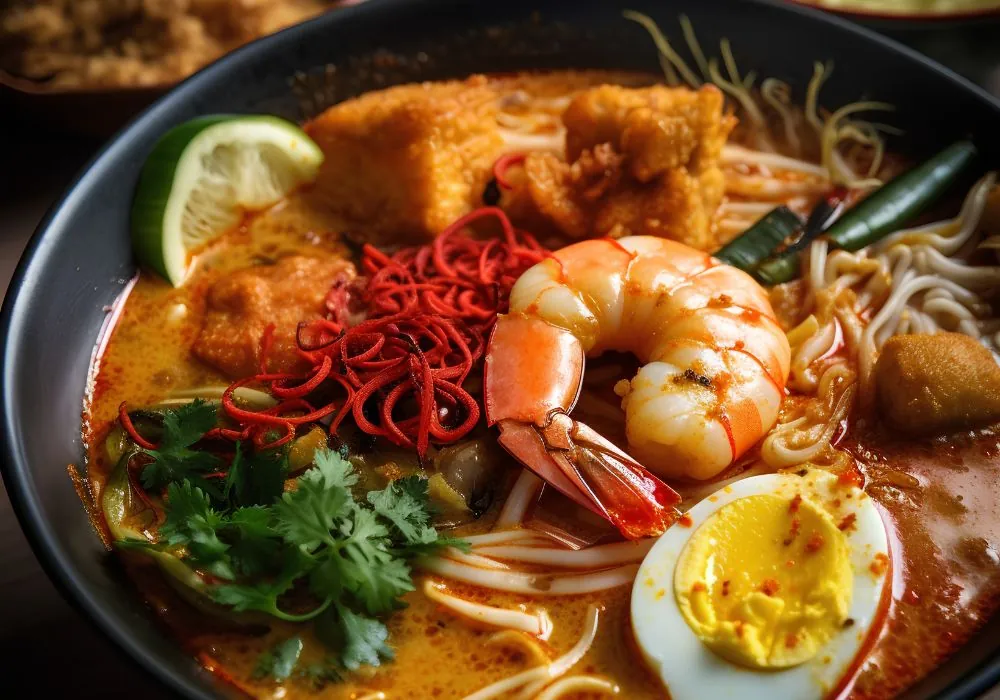
Treat yourself to delicious street food that’s both affordable and flavorful, or enjoy a lavish dining experience at a fine restaurant for a more indulgent meal.
-
Activities
Some walks and beach visits cost little, while major temples, parks, guided excursions and boat trips usually need a separate allowance.
Generic daily budgets can be misleading: a private guide and car for two people cost differently from a group tour or independent travel. Request an itemised estimate for your chosen dates.
For families, confirm room arrangements, child ages, extra beds and activity pricing before comparing quotes.
Step 5: Guided Tours or Exploring on Your Own?
Choosing between a guided tour and solo exploration depends on what kind of experience you’re looking for and how much planning you’re ready to do.
-
Independent travel
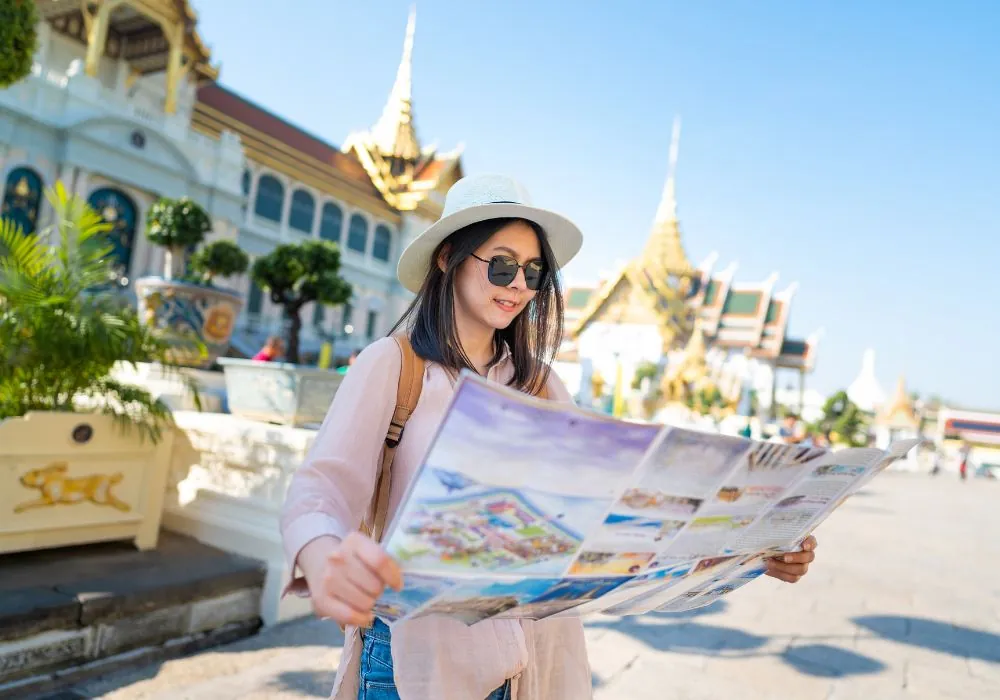
Independent travel offers flexibility, but requires time to arrange transport, accommodation and activities. It can work well when you enjoy planning and are comfortable adjusting arrangements yourself.
-
Guided Tours
A private tour can provide local context and help coordinate transfers and visits. Ask what is included, how much free time you have and which parts of the programme can be adjusted.
For a balanced experience, consider a hybrid approach. You could book guided tours for certain activities or areas you’re less familiar with, while leaving other parts of your trip open for independent exploration.
Step 6: Review Visa Requirements
Before finalizing the details of your trip, it’s essential to understand Thailand’s visa requirements.
Entry arrangements depend on your passport, purpose of travel and length of stay. Do not rely on a general list of visa-exempt nationalities or a stay limit copied from an older article.
Check the Thai e-Visa portal or the Thai embassy responsible for your country. Also check whether you need to complete the Thailand Digital Arrival Card before arrival.
Confirm passport-validity, onward-travel and any supporting-document requirements directly with official sources and your airline before departure.
Step 7: Plan Your Arrival and In-Country Travel
Getting to Thailand
- From North America
Routes from North America may be nonstop or involve a connection, depending on your departure city and dates. Compare total journey time, baggage conditions and transit requirements.
-
From Europe and Oceania
Many European and Oceania gateways have direct or connecting options. Check the actual operating schedule for your dates.
-
From other SEA countries
Thailand has extensive regional connections. If using Bangkok, check whether your flights use Suvarnabhumi or Don Mueang; changing airports takes time.
Traveling Around Thailand
Once you’re in Thailand, there are several transportation options to navigate the country:
- Domestic flights: For long distances or if you’re short on time, consider flying. Thailand has several budget airlines that offer frequent and affordable services between major cities and tourist destinations.
- Trains: Thai Railways operates routes connecting Bangkok with other regions, including overnight trains, which are a memorable way to travel. Sleeper trains are particularly popular for their comfort and the experience of waking up to a new part of Thailand.
- Buses: The bus network in Thailand is extensive and can take you almost anywhere in the country. VIP and express buses provide more comfort and are a good choice for longer journeys.
- Vans and Minibuses : Useful on some intercity routes, but space and luggage allowances can be limited. Choose a reputable operator and confirm the pickup point.
- Taxis: In cities, taxis are a convenient way to get around. Make sure the driver uses the meter or agrees on the fare before starting your journey.
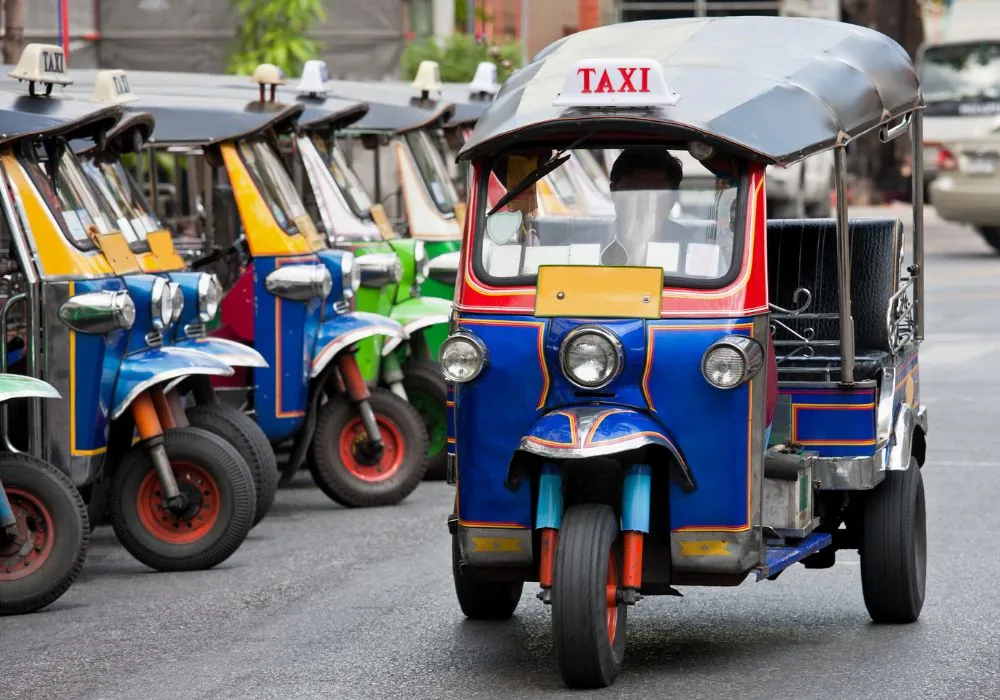
- Tuk-Tuks and Motorbike Taxis: Agree the fare in advance. For motorbike taxis, consider your comfort with traffic and insist on a suitable helmet; a car or public transport may be a better choice.
- Rental cars and Bikes: Check the licence, permit and insurance requirements that apply to your vehicle and nationality. Do not rent a motorbike simply because a rental shop is willing to hand one over.
- Public transportation in Bangkok: The BTS Skytrain and MRT Subway are efficient ways to avoid traffic in the capital city. The Chao Phraya River boats offer scenic routes between key tourist spots.
- Bicycles: In rural areas or for touring specific regions like Sukhothai or Chiang Mai’s old city, bicycles are a pleasant and eco-friendly option.
More Tips for An Amazing Holiday in Thailand
- Embrace Local Etiquette
-
- Mind your manners: The ‘wai’ greeting, which involves a slight bow with palms pressed together, is a respectful way to greet locals in Thailand. It’s important to avoid touching someone’s head, as it’s considered the most sacred part of the body. Additionally, refrain from pointing your feet toward people or religious objects, as feet are viewed as the lowest part of the body.
-
Dress modestly at temples and remove shoes where requested. Respect worshippers, religious images and local rules.
- Stay Connected
Upon arrival, you might want to buy a Thai SIM card for your phone. They’re affordable and offer data and local call options, making it easier to navigate, translate, and stay in touch with tour operators or your accommodations.
- Health and Safety
-
Stay hydrated: The Thai climate can be hot and humid. Drink plenty of bottled water to stay hydrated, and use sunscreen regularly.
-
Choose food that is freshly cooked and served hot, and discuss allergies clearly. A busy stall is useful context but does not guarantee food safety.
-
Travel Insurance: It’s always wise to have comprehensive travel insurance that covers medical expenses, trip cancellations, and any adventurous activities you might undertake.
-
- Explore Beyond the Tourist Spots
-
-
Alongside the major sights, leave time for a neighbourhood walk, a market or a smaller museum that interests you.
-
Local transport can be convenient, but compare the fare, route and comfort rather than assuming every option is inexpensive.
-
- Learn a Few Thai Phrases
Although many Thais speak English, particularly in tourist areas, learning a few basic Thai phrases can go a long way in showing respect and can enhance your interactions with locals.
- Be Mindful of the Environment
Respect Thailand’s natural beauty by avoiding single-use plastics, not disturbing wildlife, and supporting eco-friendly tours and activities.
Plan your Thailand holiday with Vietnam Tour Fun .
Thailand has many possible routes. Share your dates, interests and preferred pace, and we can help you choose a realistic combination.
If you are planning a wider journey through Thailand, explore The Best of Thailand in 14 Days and adapt the route to your dates, pace and interests.