
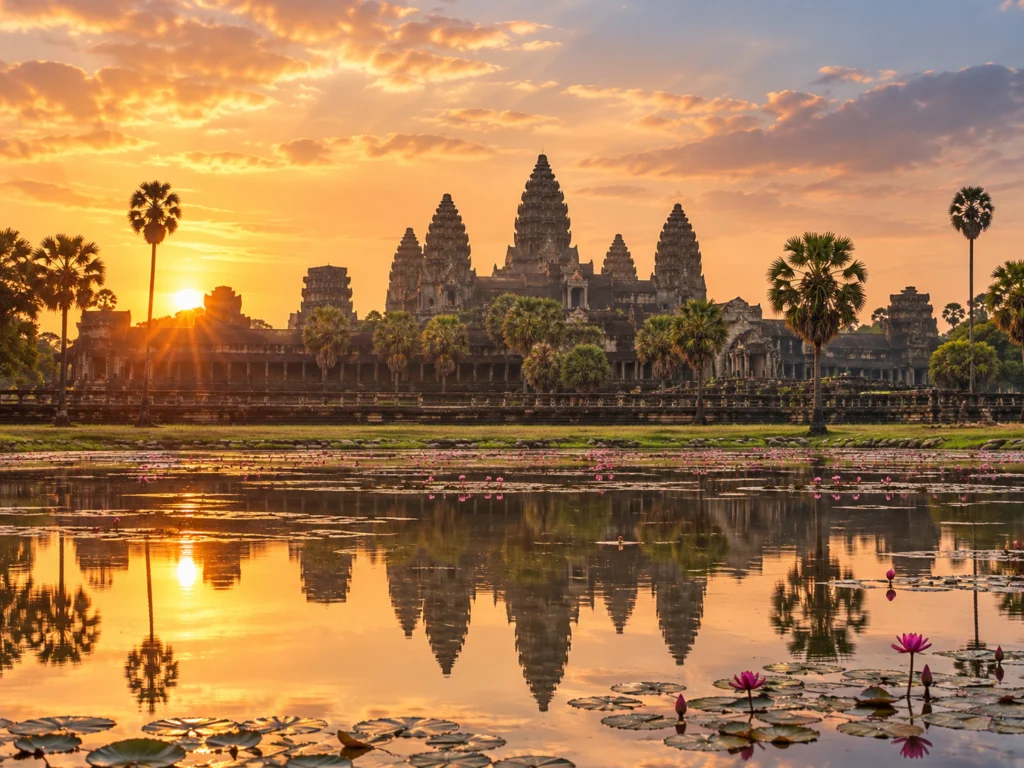
The best time to visit Cambodia depends on whether you want to explore Angkor, spend time in its cities or add a beach stay. Conditions that create dramatic photographs are not always the most comfortable for every traveller. Start with your preferred pace, outdoor activities and time to rest.
Use the climate as a guide
Cambodia has a hot, humid monsoon climate. Official travel guidance describes a rainy season from May to November, when flooding and landslides can occur. This broad seasonal pattern does not replace a local forecast for the dates and places on your route. Source: German Federal Foreign Office — nature and climate.
Choose dates around your priorities
| Your focus | A useful starting point | What else to check |
|---|---|---|
| Angkor and longer sightseeing days | Compare December to February first as a window outside the stated rainy season. | Allow for heat, sunshine and rest breaks even then. Cool weather and a clear sunrise are never guaranteed. |
| Fixed dates between May and November | Spread temple visits over shorter outings and prepare less weather-dependent alternatives. | After heavy rain, check actual access and local closures rather than relying on average weather charts. |
| The coast or an island as your main destination | Choose the specific beach area and its transfers first, then build the cultural route around it. | Confirm boat operations, sea conditions and a backup return plan, with a buffer before your international flight. |
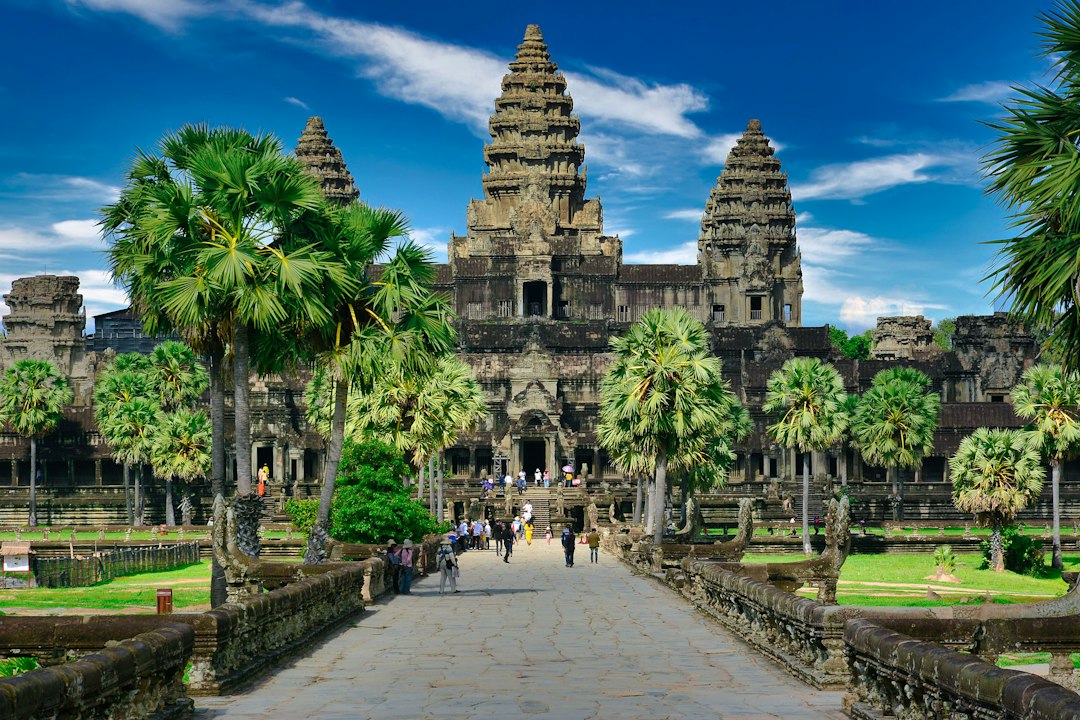
An example temple day to discuss: Visit one main site early in the morning, then have breakfast or add a shorter second stop. Keep midday free for a rest at your accommodation. Consider another visit in the late afternoon if you feel comfortable. This is an itinerary idea, not a statement of opening hours; access and timings are confirmed locally.
With three nights in Siem Reap: Keep arrival day relaxed, devote a full day to temples and use another for further sites or food experiences. If you choose a sunrise visit, you need not stay out until evening. Photography interests, comfort in the heat and mobility should guide the selection of stops.
Before choosing a rainy-day alternative: Ask whether it is included or costs extra, whether it can be moved on the day and whether the route there is safe. A cooking class may replace a wet walking tour, but it cannot solve a closed access road.
Angkor: plan the day as well as the month
Split more demanding paths and stairs between manageable visits. A longer break between morning and late afternoon can be more pleasant than continuous sightseeing. If sunrise is a priority, avoid planning a very late evening immediately beforehand.
Tell us whether architecture, history, photography or simply the atmosphere interests you most. That helps shape the selection of sites. Fewer temples with thoughtful explanations and breathing space can offer more than a long series of brief photo stops.
Planning around the rainy season
If your travel dates are fixed, avoid making the whole itinerary depend on weather-sensitive outings. Consider alternatives such as cooking, crafts or suitable indoor visits, and agree what can be rearranged. Lower-season pricing is less useful if the experience you care about most cannot be planned reliably.
Distinguish ordinary rain from a serious weather warning. Local closures take priority over the original programme. Check access for rural stages, and avoid tight international connections immediately after a long journey affected by the weather.
Adding the coast or an island
Look at the complete transfer: arrival, road journey, boat and final access to your accommodation. Ask what happens in poor weather and what return alternatives exist. A beach photograph cannot tell you the conditions on your travel day. Leave a buffer between a weather-dependent boat trip and your long-haul flight home.
How much time do you need?
Start with your priorities rather than fitting in as many places as possible. A shorter visit can focus on Siem Reap, while more time allows other regions to be enjoyed at a comfortable pace. Count usable time in each place, not only nights between flights; arrival and departure days often leave limited sightseeing time.
Before each stage
Check local forecasts and reconfirm transfers. Keep weather protection, comfortable footwear and a dry document pouch in your day bag. Our team can adjust the order of experiences with you. Good planning leaves realistic time and useful alternatives instead of promising sunshine every day.
Turn your ideas into a personal journey
Discuss your route, pace and preferences with our team to create a journey that suits you.
Plan your trip for freeExplore tour ideas →