

Food offers another way to get to know Cambodia alongside its temples. A shared meal, a market visit or a cooking class opens a window onto everyday life. Give these experiences their own place in your journey, with time to enjoy them.
Amok: an introduction to Khmer cooking
Fish amok is a familiar example: fish is prepared with coconut milk and an aromatic spice paste, traditionally by steaming. Recipes may include egg, fish sauce or prawn paste. Versions vary, so ask about specific ingredients if you have intolerances. For an illustrated explanation of the method, see Caroline’s Cooking – Amok Trey.
Other dishes to try
| Dish | One typical version | A question for the kitchen |
|---|---|---|
| Num Banh Chok | Khmer rice noodles with a sauce made from fish, lemongrass and green kroeung spice paste. | Which fish ingredients and herbs are used? |
| Kuy Teav | Noodle soup in different versions, including pork, beef, prawns or fish balls. | What broth and toppings are used in this version? |
| Bai Sach Chrouk Ang | Grilled pork with rice. | What is in the marinade and accompaniments? |
| Bor Bor Sach Trei | Rice porridge with fish. | Which garnishes and extra seasonings are served? |
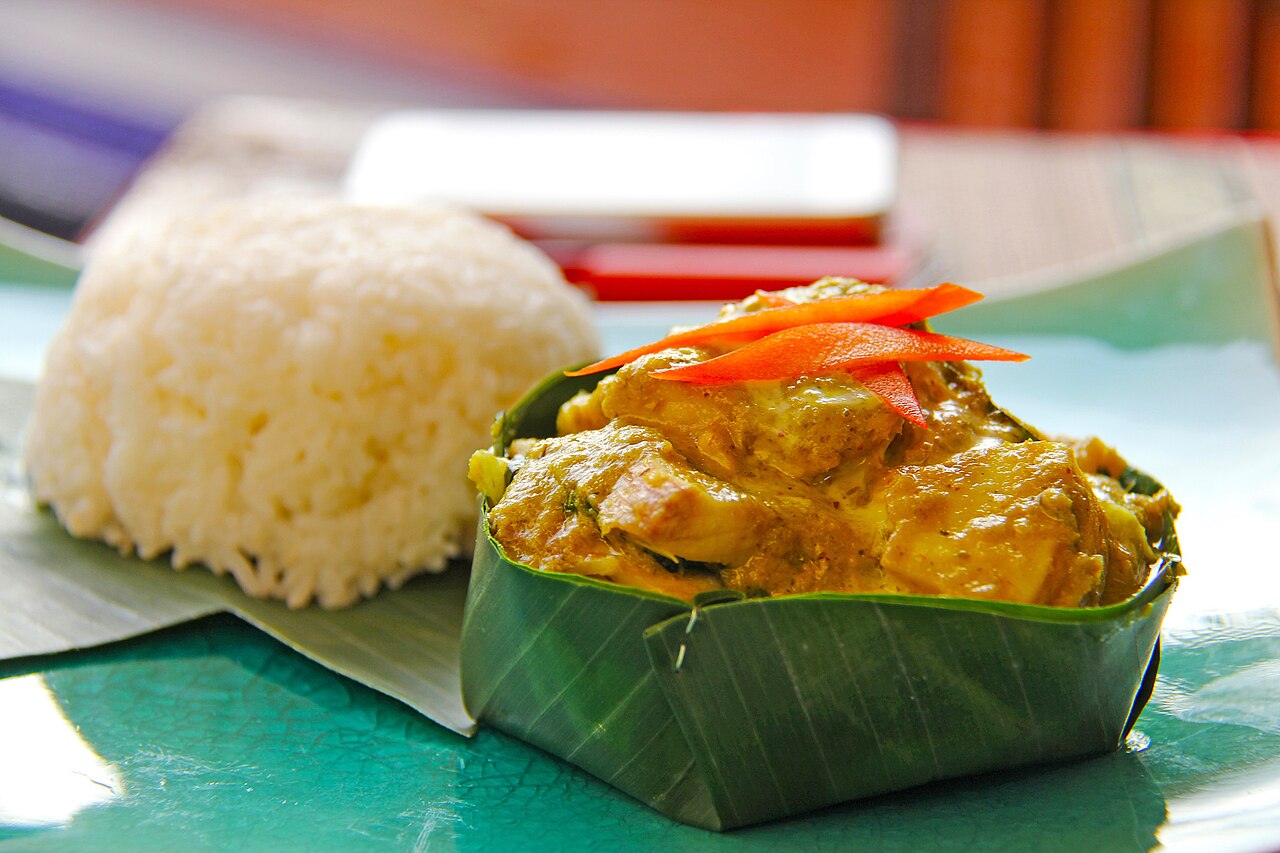
A gentle introduction over two days: Try noodle soup one morning and a rice dish another. In the evening, share amok and a second dish if the portions suit. This introduces different cooking styles without turning every meal into a large tasting menu.
Choose a cooking class by what you want to learn: Would you like to make a spice paste, understand market ingredients or prepare a full menu? Ask which steps you will do yourself. Request a recipe to take home and advice on suitable substitute ingredients.
Ask about four parts of the dish: The main ingredients, broth or spice paste, sauce and garnish. For fish, prawns, eggs or nuts, this is more reliable than a general request for ‘no meat’. With a severe allergy, discuss possible cross-contact as well; the absence of a visible ingredient is not enough.
Choose a meal with more than the photograph in mind
Dish names and photographs do not reveal every ingredient. Ask about accompaniments, sauces and seasonings. If you want to explore, order a small selection to share. Check portion sizes and chilli levels rather than accidentally ordering several full meals each.
For a family or group with different preferences, a relaxed restaurant visit may be easier than a long walk with many stops. If you enjoy eating as you explore, choose a manageable food walk. Either works well when the pace and expectations are clear beforehand.
Combine a market visit with cooking
Ask whether the class includes a market visit, transfers, ingredients and eating together. A short shopping introduction differs from a detailed market tour. Tell the operator about dietary needs beforehand, and clarify any preparation tasks you would prefer not to do before booking.
A rewarding class does not need a large number of recipes. Understanding the ingredients and having time for questions matter more. Note which ingredients can be replaced at home, so you can revisit the experience in your own kitchen.
Vegetarian, vegan and allergy-aware travel
Explain exactly what needs to be excluded: meat, fish, fish sauce, prawn paste, eggs or other ingredients. A dish without visible meat is not automatically vegetarian. Severe allergies need personal medical preparation and a clear translated ingredient card. Discuss cross-contact separately; a tour company cannot guarantee an allergen-free kitchen.
Food hygiene and drinks
Look for hygienic preparation, safe drinking water and careful handling of raw ingredients. An attractive dining room alone does not establish food safety. Discuss individual medical questions before your trip. Source: CDC – food and drink in Cambodia.
Food experiences between temple visits
After an intensive morning at the temples, leave time to rest before a relaxed meal or a small cooking class later in the day. On another day, make a market visit the focus. Tell our team whether you would like to cook, discover local restaurants or include just a few food experiences along the route.
Turn your ideas into a personal journey
Discuss your route, pace and preferences with our team to create a journey that suits you.
Plan your trip for freeExplore tour ideas →