Two distinct ways to explore the region
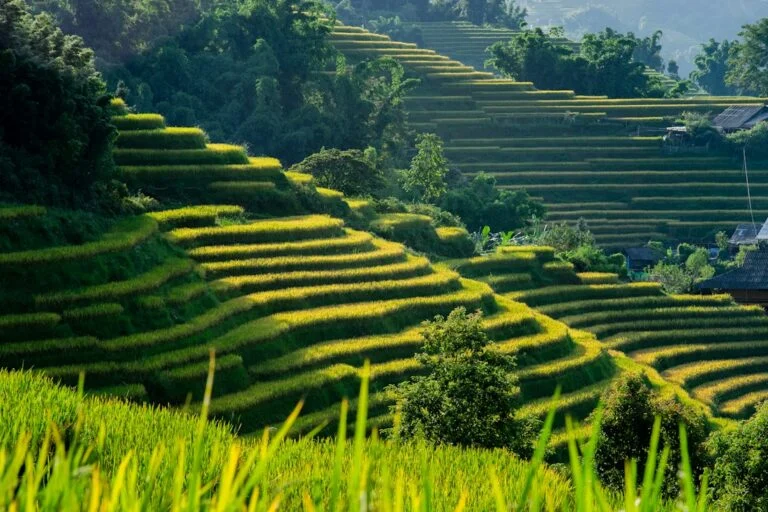
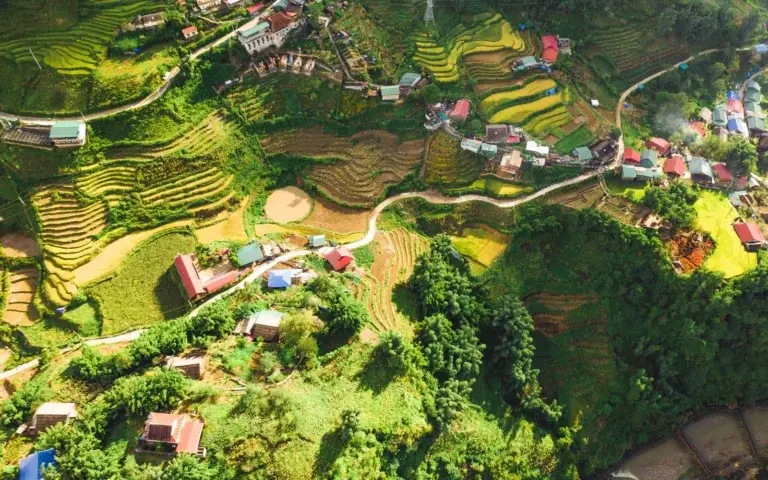
01Hoang Su Phi and the rice terraces
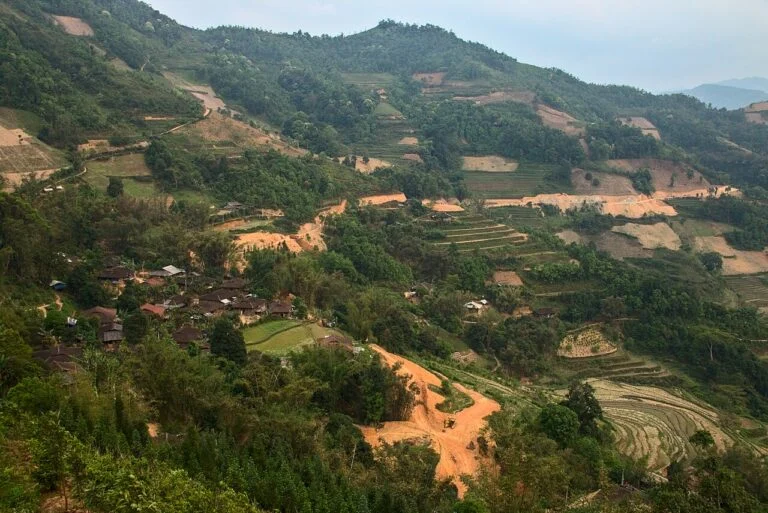
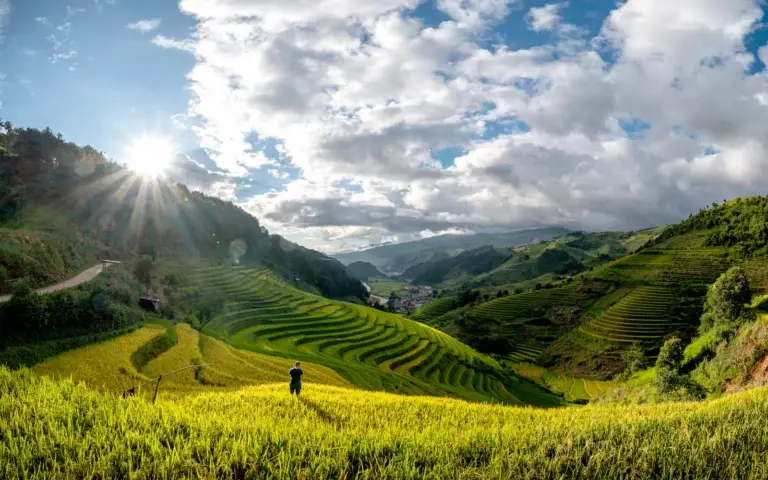
This area suits a stay focused on scenery and selected walks. Ask about the exact accommodation and its surroundings. A Hoang Su Phi stop does not automatically include Dong Van or the Ma Pi Leng Pass; check the named places in your itinerary.
02Dong Van and Ma Pi Leng
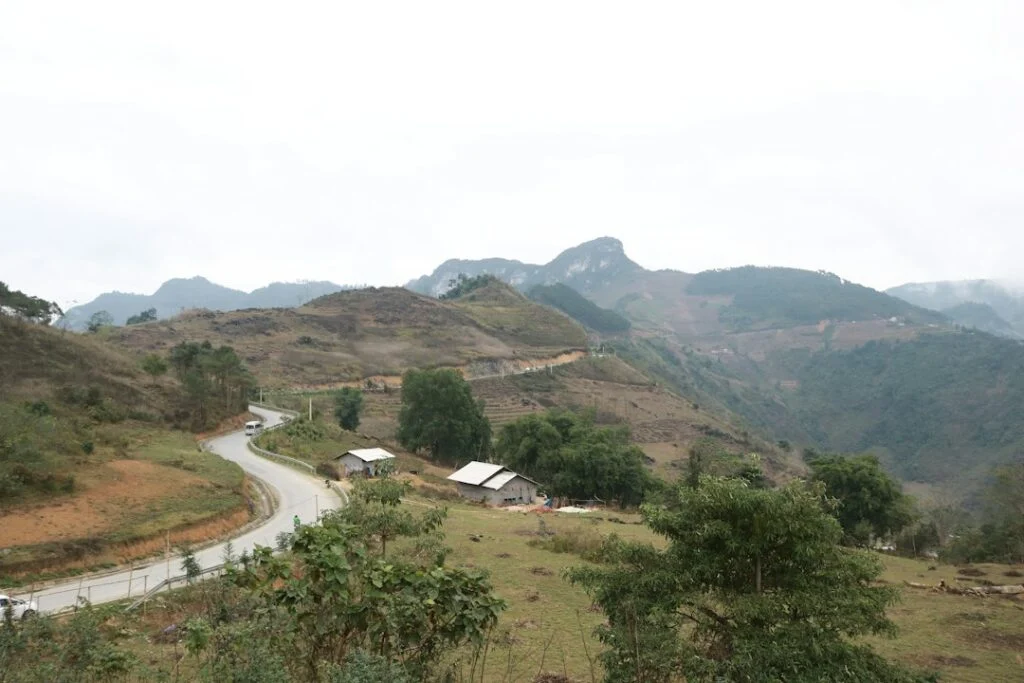
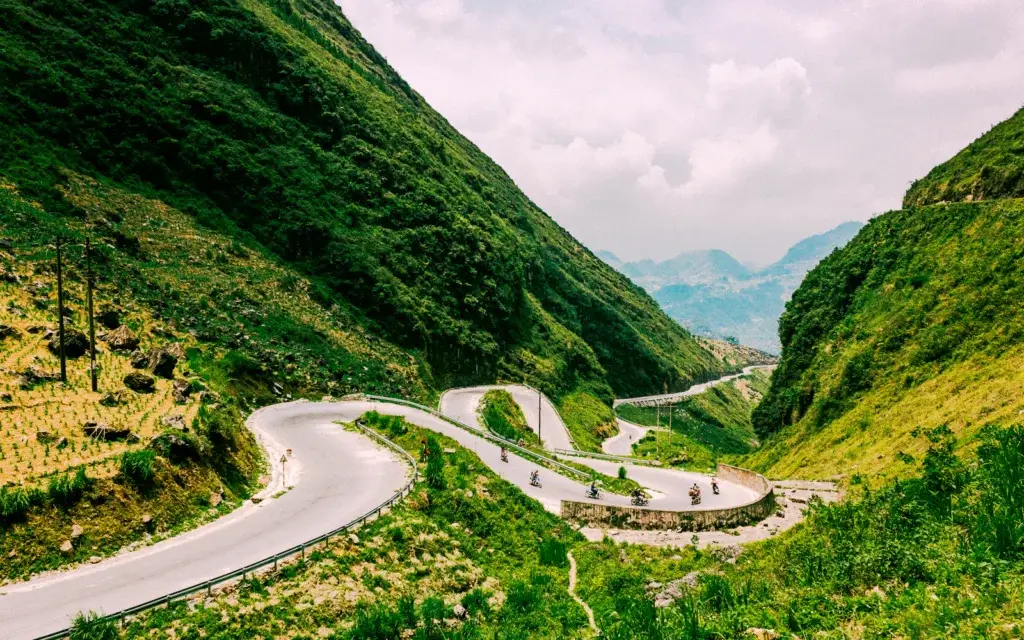
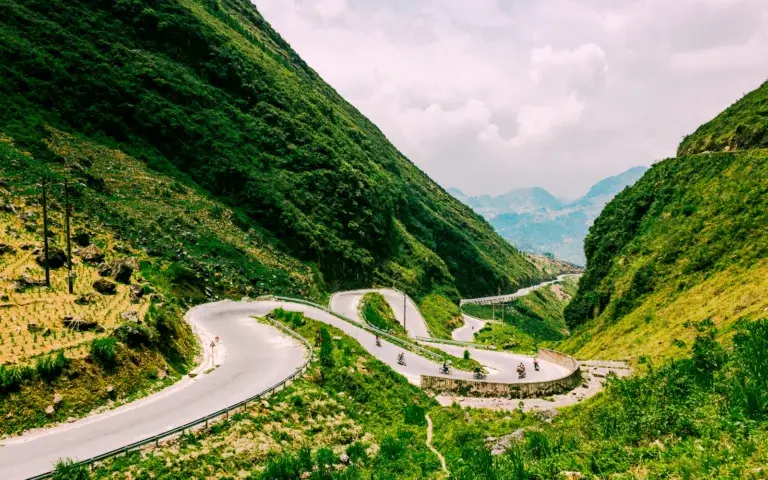
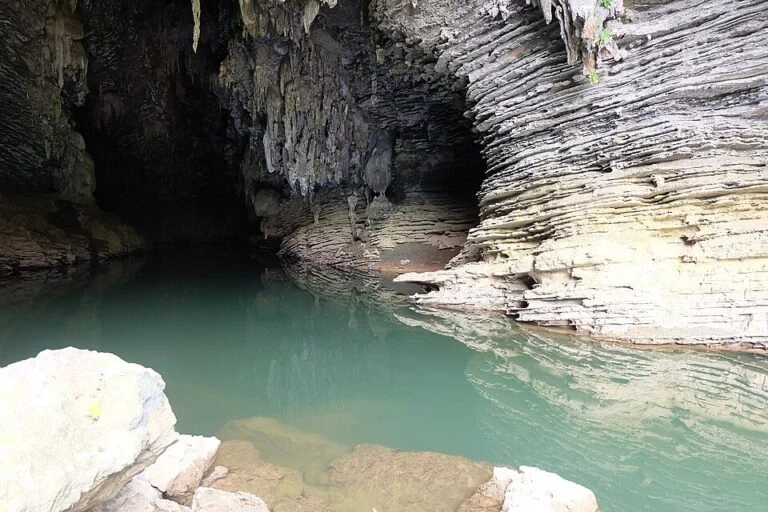
The karst plateau, mountain passes and Nho Que River belong to a different route. Choose a few accessible viewpoints and allow time for driving and breaks. Too many widely separated stops can turn a scenic day into a lengthy transfer.
03Local encounters with a guide
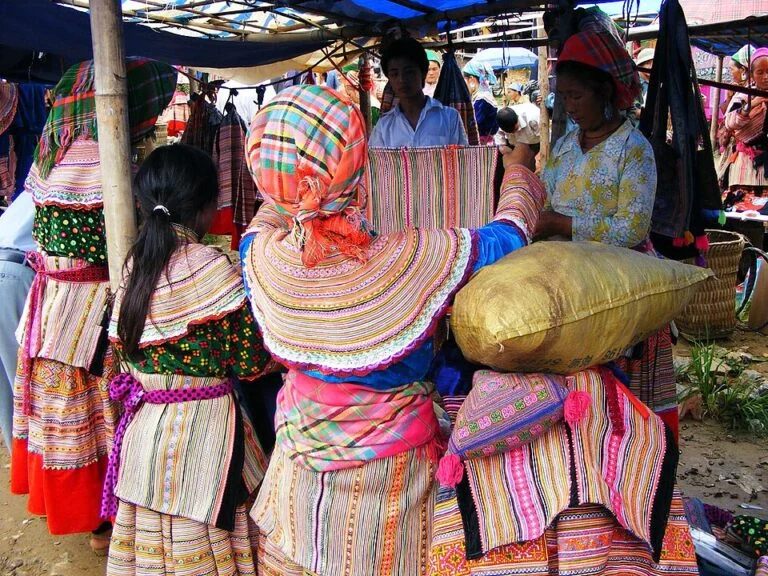
A local guide can explain architecture, crafts and daily life. Ask about group size and how visits are arranged. Villages are people’s homes, so consent matters when taking photographs or visiting houses.
How much time to allow
Start with several nights in one connected area, plus the journeys in and out. With limited holiday time, one mountain region is often better than trying to cover Sapa, Hoang Su Phi and Dong Van together. Compare driving hours and stops, not just distances on a map.
Tell us how comfortable you are with long, winding drives and what you need from accommodation. Lodges, homestays and town hotels differ. Confirm private bathrooms, warm rooms, stairs and meals rather than relying on a general category.
Choose transport and daily distances carefully
A car with an experienced driver may suit a personally guided journey better than a self-driven motorbike circuit. The right transport depends on your experience and needs. Ask which roads are used and where breaks are possible.
Leave a reliable return journey after the mountain section before an important flight or a cruise with fixed boarding. The local team should check road conditions, weather and any required local formalities before each stage. Routes may need to change.
Set realistic expectations for weather and scenery
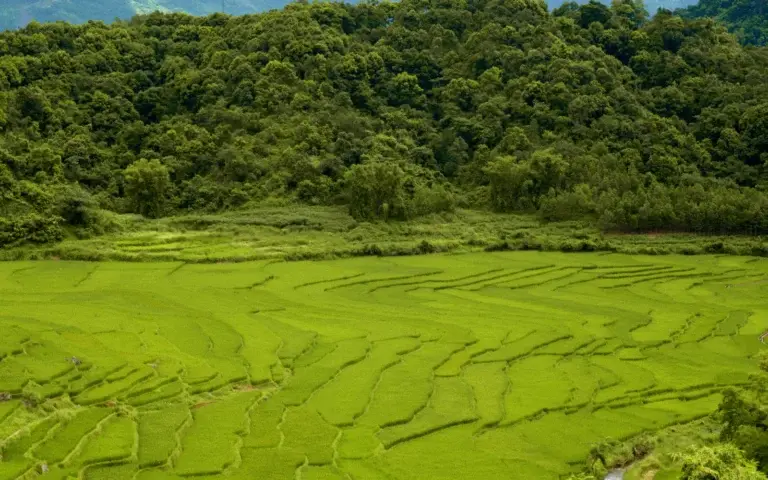
Rain and fog affect both mountain views and road travel. Hoang Su Phi’s terraces change through the farming year. Ask your accommodation and local team about conditions for your month, rather than expecting one particular photograph.
Even if Hanoi is warm, bring layers for cooler evenings and rain protection. A shorter stage can be the better choice when roads or paths are unsuitable. You do not need to reach every viewpoint to enjoy a rewarding stay.
Prepare for mountain travel
Keep travel documents, hotel details and local contacts available offline. Carry your usual medication and suitable cash where you can reach them. Discuss meals and breaks before longer stages rather than leaving every stop to be decided on the road.
For walking, confirm duration, elevation changes and any return-transfer option. Spectacular scenery does not require demanding activities; short walks and a slower stay can be equally suited to the region.
Your time here
An idea for your stay
Use this as inspiration rather than a fixed package. Adapt the order and pace to your arrival time, the weather and your interests. Check the individual itinerary to see which services a tour includes.
- Rice terrace route
- Travel to Hoang Su Phi for several nights, with guided walks of different lengths and onward travel arranged in advance.
- Karst plateau route
- Explore Dong Van and Meo Vac over several road stages, with overnight stops and generous breaks.
- Choose one or combine with enough time
- These are alternative planning ideas. Check the individual itinerary to see which areas a listed tour includes.
Good to know
Questions about Ha Giang
Is Hoang Su Phi the same as the classic Ha Giang Loop?
No. It is a different part of the region. Check the named stops on each tour rather than assuming a Hoang Su Phi visit also reaches Dong Van or Ma Pi Leng.
Why does an official source use the name Tuyen Quang?
Official tourism information may use the current administrative name. We retain the familiar travel name Ha Giang here and identify the actual places in each itinerary, so the route is clear.